TL;DR
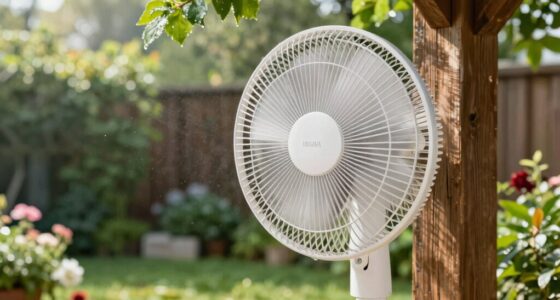
Outdoor patio fans boost comfort by circulating air efficiently. Recent models feature smart controls, weatherproofing, and eco-friendly designs, making outdoor cooling effortless and effective.
Imagine relaxing on your patio, the summer heat pressing down, and a gentle breeze from a well-placed fan cooling your skin. Outdoor patio fans transform outdoor spaces into cool retreats. But with so many styles, features, and recent innovations, how do you choose the right one? This guide walks you through everything you need to know — from types and features to the latest tech trends that make outdoor cooling smarter and more durable.
Whether you have a covered porch or an open deck, understanding what makes a fan effective matters. You’ll learn how to pick a fan that fits your space, climate, and style, while avoiding the pitfalls of choosing the wrong model. Ready to turn your outdoor space into a breezy paradise? Let’s get started.
Choose a fan with the right CFM; larger spaces need higher airflow ratings.
Weatherproof ratings like IP65 protect fans from rain and dust, extending lifespan.
Smart controls and timers save energy and boost convenience.
Recent models combine misting and eco-friendly materials for better cooling and sustainability.
Regular cleaning and inspection are key to keeping outdoor fans effective and long-lasting.
What Type of Outdoor Fan Will Cool Your Space Best?
Choosing the right outdoor fan starts with understanding the options. Each type offers unique advantages, depending on your patio’s layout and your cooling needs.
**Ceiling fans** hang overhead, perfect for covered patios. They’re silent, stylish, and often come with weather-resistant blades. For example, a 52-inch ceiling fan can cool a 200-square-foot space comfortably. Standing fans are portable and adjustable, ideal for open decks where airflow needs to follow your movement. Wall-mounted fans save space and target specific zones, like a cozy nook or bar area. Misting fans combine airflow with a fine water spray, dropping the temperature by up to 15°F in hot, dry climates — great for large patios or poolside setups.
Understanding these types allows you to weigh their tradeoffs. For instance, ceiling fans are silent and effective in covered areas but are less flexible if you want to move the fan around. Standing fans offer portability but may be less aesthetically integrated into your decor. Misting fans provide superior cooling but require a water source and maintenance. Each choice impacts your overall outdoor comfort and convenience, so consider your space’s specific needs and how each type aligns with your lifestyle.

Depuley 52-Inch Ceiling Fan with Light: Black 3 Blade Outdoor Fans for Patios – Dimmable Indoor Fan with Remote Control Living Room Fandelier Ceiling Fans Ultra Quiet DC Motor Reversible 6 Speed Timer
52-Inch Indoor Outdoor Ceiling Fan with Light: This Depuley outdoor ceiling fan with light is perfect for both…
As an affiliate, we earn on qualifying purchases.
As an affiliate, we earn on qualifying purchases.
How Weather-Resistant Do Outdoor Fans Need to Be?
Outdoor fans face rain, humidity, dust, and UV rays. Weatherproofing is key. Look for fans with an IP rating— the higher, the better. For instance, an IP44-rated fan handles splashes and light rain, while IP55 models resist dust and jets of water, perfect for unpredictable weather.
Choosing a fan with the right weatherproof rating isn’t just about durability; it directly affects your investment’s longevity and performance. A fan that isn’t adequately protected may succumb to corrosion, electrical failure, or mechanical breakdown, leading to costly replacements. For example, in coastal areas with salty air, corrosion resistance becomes even more critical. Fans with sealed motors and corrosion-resistant blades are designed to withstand such conditions, but they often come at a higher initial cost. Balancing the upfront price with long-term durability is essential. Opting for a properly rated fan means fewer repairs, less downtime, and consistent cooling during unpredictable weather — all of which contribute to a better outdoor experience and smarter spending.
Understanding the importance of weatherproofing helps you avoid premature failure and costly repairs. For example, a fan rated for high humidity and salty air will maintain its structural integrity and performance over time, ensuring your investment pays off. Conversely, choosing a lower-rated fan might save money upfront but could lead to frequent replacements, inconvenience, and compromised cooling, especially in challenging climates. That’s why evaluating the specific environmental conditions of your outdoor space is critical when selecting a weather-resistant fan.

DREO Smart Tower Fan for Indoor & Outdoor Use, 33 ft/s High Velocity, 12 Speeds, 4 Modes Standing Floor Fan, 150° Customizable Oscillating, 20 dB Quiet DC Motor for Bedroom, Weather Resistant
𝐔𝐧𝐥𝐞𝐚𝐬𝐡 𝐏𝐨𝐰𝐞𝐫𝐟𝐮𝐥 𝐂𝐨𝐨𝐥𝐢𝐧𝐠 DREO's outdoor tower fan sets a new standard with extreme performance. Featuring up to 33ft/s…
As an affiliate, we earn on qualifying purchases.
As an affiliate, we earn on qualifying purchases.
What Features Make Outdoor Fans Smarter and More Efficient?
Smart technology has revolutionized outdoor fans. Today, many support Wi-Fi or Bluetooth, allowing control via smartphone apps or voice commands. Imagine adjusting your fan from inside your house, without stepping outside. Features like oscillation, adjustable speeds, and timers help customize airflow, saving energy and boosting comfort.
Energy efficiency is more than a buzzword. Modern fans use advanced motors and aerodynamics, reducing power consumption by 20-30% compared to older models. Some include solar-powered options, perfect for eco-conscious homeowners. For example, a smart fan with a timer ensures it runs only when needed, cutting energy bills and prolonging motor life. Beyond saving money, these features allow you to create schedules that optimize cooling during peak heat hours, avoiding unnecessary energy use. This integration of smart controls and efficiency not only makes outdoor cooling more convenient but also aligns with sustainable living goals, reducing your environmental footprint while maintaining comfort.
Additionally, smart features often include weather sensors that automatically adjust fan operation based on outdoor conditions, preventing overuse during rain or high winds. This not only enhances user convenience but also extends the lifespan of the fan by reducing unnecessary wear. The ability to monitor energy consumption through connected apps provides insights that help you optimize usage, balancing comfort with cost savings. These innovations collectively make outdoor fans not just more convenient but also more aligned with modern sustainability and energy-saving priorities.
DREO Smart Tower Fan for Indoor & Outdoor Use, 33 ft/s High Velocity, 12 Speeds, 4 Modes Standing Floor Fan, 150° Customizable Oscillating, 20 dB Quiet DC Motor for Bedroom, Weather Resistant
𝐔𝐧𝐥𝐞𝐚𝐬𝐡 𝐏𝐨𝐰𝐞𝐫𝐟𝐮𝐥 𝐂𝐨𝐨𝐥𝐢𝐧𝐠 DREO's outdoor tower fan sets a new standard with extreme performance. Featuring up to 33ft/s…
As an affiliate, we earn on qualifying purchases.
As an affiliate, we earn on qualifying purchases.
The Latest Tech and Design Improvements You Should Know
Recent developments focus on durability, convenience, and eco-friendliness. Many new models now feature integrated misting systems, cooling larger areas faster. Think of a misting fan spraying a fine fog that cools a 300-square-foot patio during a heatwave.
Smart controls connect fans to home systems, letting you turn them on with a voice command or schedule cooling during peak heat hours. Manufacturers now use sustainable materials, like recycled plastics and corrosion-resistant metals, extending lifespan and reducing environmental impact.
For example, a recent review highlighted a fan that uses 15% less energy and lasts twice as long, thanks to improved blade aerodynamics and sealed motors. These innovations mean you get longer-lasting, more efficient outdoor fans that require less maintenance and deliver better cooling, even in challenging weather conditions. The integration of eco-friendly materials also supports sustainability, making your outdoor setup both smarter and greener.
Beyond technical enhancements, there’s a focus on user-friendly design. Modern fans feature intuitive controls, sleek aesthetics, and quieter operation, blending seamlessly with outdoor decor. This ensures that technological advancements not only improve performance but also enhance the overall outdoor experience, making your cooling setup both functional and stylish.

Shark FlexBreeze Pro Mist Fan, Indoor & Outdoor Oscillating Cooling Fan with Misting for Home & Patio, Floor & Tabletop, Portable Cordless & Corded, 24Hr Battery, Remote, Charcoal Grey, FA302
INDOOR & OUTDOOR OSCILLATING FAN: Shark FlexBreeze Pro Mist is an ultra-powerful indoor and outdoor fan with 70-ft….
As an affiliate, we earn on qualifying purchases.
As an affiliate, we earn on qualifying purchases.
Picking the Perfect Fan: 5 Tips to Get It Right
- Measure your space: Know your patio size to choose a fan with the right CFM rating. For example, a 400 CFM fan cools a small nook, while 3,000+ CFM is needed for large open areas.
- Assess weather conditions: Match your fan’s weatherproof rating to your climate. Heavy rain? Opt for an IP65-rated model.
- Decide on a style: Do you want a ceiling fan for a covered patio or a portable fan for flexibility?
- Prioritize energy efficiency: Look for ENERGY STAR-rated fans or those with variable speeds and timers.
- Consider smart features: If convenience matters, choose fans with app control or voice compatibility.
Imagine setting your fan to turn on at sunset, just when the outdoor temperature starts to dip. These tips help you pick a fan that fits your needs perfectly, saving money and boosting comfort.
How to Maintain Your Outdoor Fan and Keep It Running Strong
Proper maintenance keeps your outdoor fan humming for years. Every few months, wipe down blades and grills with a damp cloth to remove dust and pollen — especially important if you have outdoor trees nearby.
Check for corrosion or rust, particularly on metal parts, and tighten any loose screws. For fans exposed to salty air or frequent rain, a yearly inspection helps prevent corrosion and electrical issues.
For example, a homeowner in Florida found that cleaning and sealing his fan’s motor once a year doubled its lifespan, saving him hundreds in replacement costs.
Frequently Asked Questions
What size outdoor patio fan do I need for my space?
Measure your patio’s square footage and aim for a fan with at least 4,000 CFM for small areas, or 8,000+ CFM for larger spaces. Larger fans move more air, providing better cooling for bigger areas.
Are outdoor fans safe to use in rain or humid environments?
Yes, but only if they are rated for outdoor use with appropriate weatherproof features like sealed motors and high IP ratings. Check the manufacturer’s specs before leaving a fan outdoors during storms or heavy rain.
How do I choose between a ceiling fan and a standing fan?
Ceiling fans are best for covered patios with stable mounting points. Standing fans offer portability and flexibility, perfect for open decks or multi-use spaces. Think about your space’s layout and how often you want to move or adjust the fan.
What maintenance does an outdoor patio fan need?
Regularly wipe blades and grills, check for rust or corrosion, and tighten loose screws. Annual inspections and cleaning keep the fan operating efficiently and extend its lifespan.
Are energy-efficient outdoor fans available?
Absolutely. Look for ENERGY STAR models with variable speed motors and timers. Many newer fans use less power while delivering strong airflow, saving you money over time.
Conclusion
Outdoor patio fans turn summer discomfort into cool, relaxing moments. Picking the right one means matching your space, climate, and style with smart features and durable design. Remember, a well-maintained fan not only cools better but lasts longer — turning your outdoor space into a true oasis.
So, when next summer hits, imagine yourself lounging under a gentle breeze, your fan quietly doing its job. That’s the power of choosing wisely — and keeping it in top shape.