
TL;DR

Get garden gear delivered free with Prime
- Fast, free delivery on millions of items
- Prime Video, Amazon Music and more included
- Member-only deals all year
This article provides a detailed guide on growing napa cabbage, covering planting methods, care tips, and common issues. It aims to help gardeners produce healthy, high-quality Chinese cabbage.
Gardening experts emphasize that proper planting and care are essential for a successful napa cabbage harvest. This guide offers confirmed techniques for growing healthy Chinese cabbage, a popular vegetable among home gardeners and commercial farmers.
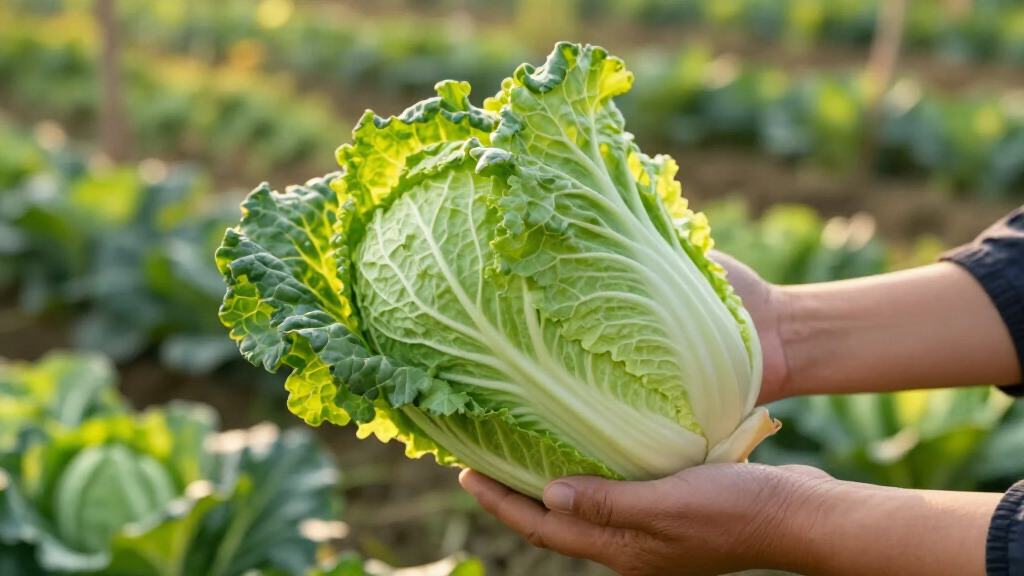
Napa cabbage, also known as Chinese cabbage, is a leafy vegetable widely cultivated for its tender, crunchy heads. Experts recommend planting napa cabbage in early spring or late summer, depending on local climate conditions. The crop requires well-drained, fertile soil with a pH between 6.0 and 7.5. Gardeners should space plants approximately 12 to 18 inches apart to ensure proper growth and airflow.
Confirmed cultivation practices include consistent watering to keep the soil moist but not waterlogged, as well as mulching to retain soil moisture and suppress weeds. Fertilization with a balanced nitrogen-rich fertilizer during early growth stages is advised, with adjustments based on soil tests. Pest management remains a key concern; common pests include aphids, cabbage worms, and flea beetles, which can be controlled through integrated pest management strategies. Harvesting typically occurs 70 to 90 days after planting, once heads are firm and fully developed.
Why Growing Napa Cabbage Benefits Gardeners and Farmers
Successfully cultivating napa cabbage provides a nutritious, versatile vegetable for home cooks and a profitable crop for commercial growers. As a cool-season crop, it can extend the growing season and diversify vegetable production. Additionally, understanding best practices helps reduce crop losses caused by pests, diseases, or improper care, ensuring a reliable harvest and supporting local food systems.
As an affiliate, we earn on qualifying purchases.
Napa Cabbage Cultivation: Key Practices and Seasonal Timing
Napa cabbage has been cultivated in East Asia for centuries and has gained popularity globally due to its culinary versatility. Modern growing methods emphasize soil preparation, pest control, and timely harvesting. According to agricultural extension services, planting is best done in early spring or late summer, depending on regional climate patterns. Previous seasons have seen increased interest in organic methods and sustainable pest management, which are now considered best practices for healthy crop production.
“Proper soil preparation and pest management are critical for a successful napa cabbage crop. Gardeners should monitor for pests regularly and use integrated strategies to minimize chemical use.”
— Dr. Emily Chen, Agricultural Specialist
As an affiliate, we earn on qualifying purchases.
Uncertainties in Pest Control and Climate Impact
While general planting and care guidelines are well-established, specific challenges such as pest outbreaks and the impact of climate variability on growing seasons remain uncertain. It is not yet clear how changing weather patterns will influence planting times or pest prevalence in different regions. Ongoing research is needed to adapt cultivation practices to these evolving conditions.
soil testing kit for vegetable garden
As an affiliate, we earn on qualifying purchases.
As an affiliate, we earn on qualifying purchases.
Next Steps for Growers and Researchers in Napa Cabbage Cultivation
Researchers and extension services plan to develop more resilient cultivars and sustainable pest management strategies. For growers, upcoming planting seasons will serve as opportunities to test new practices and adapt to local conditions. Monitoring pest populations and climate trends will be crucial for optimizing yields and quality in future harvests.
As an affiliate, we earn on qualifying purchases.
Key Questions
When is the best time to plant napa cabbage?
The optimal planting times are early spring or late summer, depending on your local climate and growing season length.
What soil conditions are ideal for napa cabbage?
Well-drained, fertile soil with a pH between 6.0 and 7.5 is recommended for healthy growth.
How can I control pests on napa cabbage?
Integrated pest management strategies, including crop rotation, natural predators, and targeted organic insecticides, are recommended to keep pests like aphids and cabbage worms in check.
How long does it take to harvest napa cabbage?
Typically, it takes about 70 to 90 days from planting to harvest, once the heads are firm and fully developed.
Can napa cabbage be grown organically?
Yes, with proper soil management, pest control, and organic fertilizers, napa cabbage can be successfully grown using organic methods.
Source: rss
Halloween Picks
halloween
As an affiliate, we earn on qualifying purchases.