
TL;DR

Get garden gear delivered free with Prime
- Fast, free delivery on millions of items
- Prime Video, Amazon Music and more included
- Member-only deals all year
Homes & Gardens reports that October cleanup can help reduce slug and snail damage to hostas the following spring. Its advice is to remove dead foliage and damp hiding places, check for overwintering pests and eggs, and use barriers such as copper tape or crushed eggshells. These steps may reduce pest numbers, but the report does not claim they will eliminate them.
A Homes & Gardens report advises hosta growers to take three steps in October—clear away decaying leaves, look for slugs, snails and their eggs in nearby hiding places, and add physical barriers—to help reduce damage to new foliage in spring. The recommendations target damp places where the pests may shelter or lay eggs; they are preventive measures, not a guarantee that hostas will be pest-free.
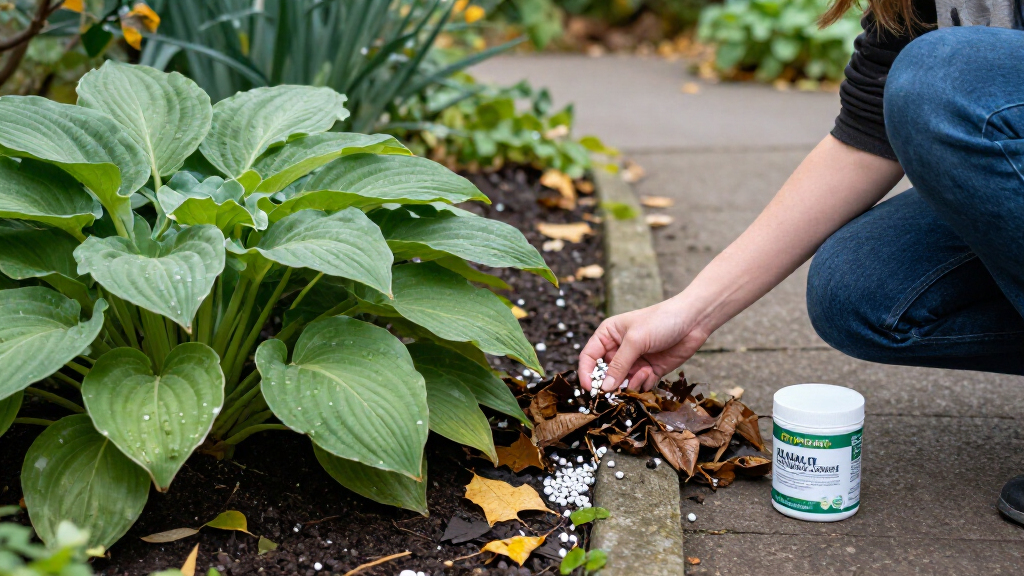
The first step is to remove yellowing, brown or wilted hosta leaves and other garden debris around the plants. The report says leaf litter can shelter slugs and snails and provide sites for eggs. It recommends cutting back dead foliage at soil level with sharp secateurs, or pulling away leaves that have become soft and mushy. It also advises wearing warm, waterproof gloves for the damp cleanup. Garden waste can be composted, according to the report.
Next, inspect the ground and nearby objects for pests or egg clusters. The article suggests carefully scraping away the top inch of soil around the hosta, then checking the undersides of pots, bricks, tiles, logs and boards. It describes slug and snail eggs as clear, bead-like clusters and recommends removing any found. Evening hand-picking with a flashlight is another option; the report suggests placing collected pests in soapy water.
The third measure is to protect plants that may still be vulnerable after the cleanup. The report names copper tape around container rims and a coarse mulch made from washed, dried, crushed eggshells as possible physical deterrents. It says nematodes and garlic wash are generally better applied in spring, when soil warms and slug and snail activity resumes. The article does not provide comparative trial results for these methods.
Reducing Spring Hosta Damage
Hostas are grown for their foliage, and ragged holes or damaged leaf edges can affect the appearance of plants just as their new growth emerges. October cleanup focuses on potential shelter and egg-laying sites before winter, rather than waiting to respond once damage is visible. For gardeners with hostas in shady beds or containers, checking the ground and objects around plants can also reveal pest hiding places beyond the leaves themselves.
The advice is practical but should be understood as risk reduction, not eradication. Slugs and snails can remain elsewhere in a garden and return to feed. The report offers no measured estimate of how much damage the steps prevent or how results vary with weather, garden conditions or pest numbers.
copper garden tape for pest control
As an affiliate, we earn on qualifying purchases.
As an affiliate, we earn on qualifying purchases.
Why October Cleanup Is Timed
The Homes & Gardens article says slugs and snails lay eggs at different times through the year, with spring and autumn identified as peak periods. It links October’s cooler temperatures and steady rainfall with increased mating and egg-laying activity. Removing decaying foliage and checking sheltered spots at this time is presented as a way to disrupt potential overwintering and reduce the number of pests near hostas when spring growth begins.
The article quotes Andrew Marshall, a garden designer with Go Wild Landscapes in Oxford, England, who recommends tidying hostas before hard frosts. Marshall says he trims leaves that are browning or yellowing, leaving brighter green growth. The source does not establish that all hosta varieties or garden conditions call for exactly the same schedule, so local weather and plant condition remain relevant.
“October is a great time to tidy up around your hostas, before we get the first proper, hard frosts of the year.”
— Andrew Marshall, garden designer at Go Wild Landscapes
crushed eggshells for slug deterrent
As an affiliate, we earn on qualifying purchases.
As an affiliate, we earn on qualifying purchases.
Limits of the Pest Advice
The source does not report a controlled test, quantified reduction in slug or snail numbers, or a comparison of the suggested barriers. It also does not establish that scraping away the top inch of soil is suitable for every hosta or soil type. The recommended steps may reduce nearby shelter and remove visible eggs, but their effectiveness will vary, and the report acknowledges that not every pest can be removed. It gives no guarantee that hostas will avoid damage next spring.
garden gloves waterproof for cleaning
As an affiliate, we earn on qualifying purchases.
As an affiliate, we earn on qualifying purchases.
October Tasks Before Frost
Gardeners following the report can begin by removing decayed leaves and debris, then inspect the soil surface and sheltered objects near each hosta for pests and egg clusters. They can add a physical barrier around container plants and continue checking plants as autumn progresses. The source recommends carrying out the cleanup before hard frosts; it does not identify a single date that applies across regions. Nematodes and garlic wash are presented as spring options rather than October treatments.
As an affiliate, we earn on qualifying purchases.
Key Questions
What are the three October steps for hostas?
Remove decaying leaves and debris, inspect soil and nearby sheltered objects for slugs, snails and eggs, then consider a physical barrier such as copper tape around pots or crushed eggshell mulch.
Should all hosta leaves be cut back in October?
The report recommends trimming leaves that are brown, yellow or wilted, rather than removing healthy green growth. It advises cutting dead leaves at soil level with sharp secateurs or pulling off soft, mushy foliage by hand with gloves.
Where should gardeners look for slug and snail eggs?
Check leaf litter and the soil around the hosta, as well as damp, sheltered undersides of pots, bricks, tiles, logs and boards. The report describes the eggs as clear, bead-like clusters.
Will these steps stop all slug damage?
No. They are presented as ways to reduce hiding places and pest numbers, not as a guarantee. Slugs and snails may remain elsewhere in the garden or return, and the report provides no measured estimate of how much damage the advice prevents.
Source: rss
Fall yard work Picks
leaf blowers
As an affiliate, we earn on qualifying purchases.