
TL;DR
Houseplants can receive too little light even in rooms that look bright, and the effects may emerge gradually. Horticulturist Justin Hancock recommends checking growth patterns, observing shadows at different times and accounting for window direction and obstructions; plants can be moved gradually or supplemented with LED grow lights.
A Country Living report outlines signs that houseplants may be getting too little light, including slow growth, stretched stems and a failure to flower, and describes ways to assess light around the home. Horticulturist Justin Hancock of Costa Farms says indoor light is often lower than people assume, a concern that can become more pronounced during fall and winter.

Get garden gear delivered free with Prime
- Fast, free delivery on millions of items
- Prime Video, Amazon Music and more included
- Member-only deals all year
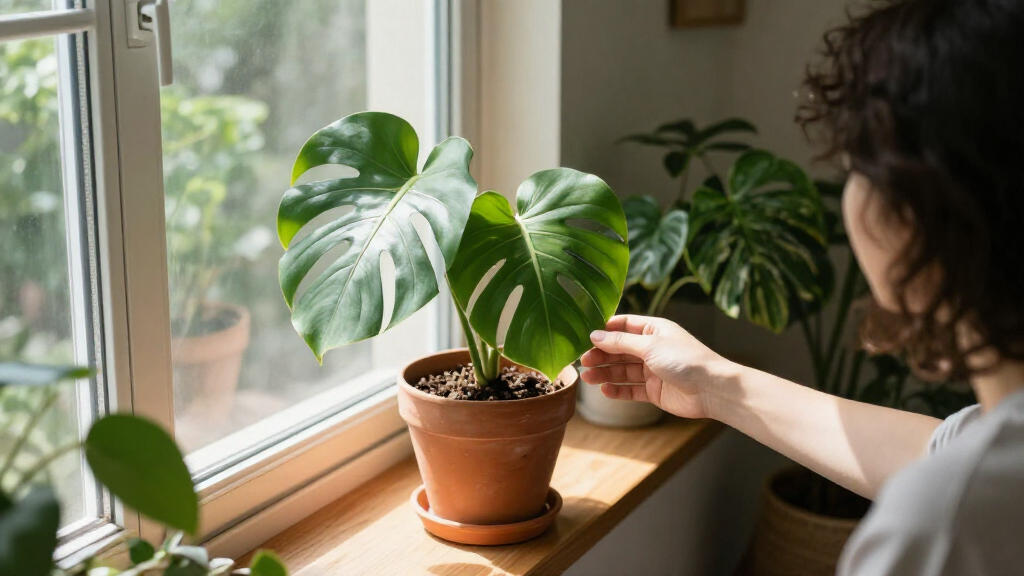
Low-light effects can be gradual, so a plant may not show an immediate, obvious decline. Hancock says a plant that remains unchanged for a long time and rarely needs repotting may not be receiving enough light. In flowering plants, a lack of blooms can be another clue. Long spaces between leaves, known as internodes, can indicate that a plant is stretching toward a light source.
The report cautions that a plant label describing a species as suitable for “low light” does not necessarily mean it will thrive in a dim location. Hancock says the label may describe the minimum light the plant can tolerate, rather than the conditions that produce its best growth. A room that seems bright at midday can still provide limited light over the course of the day.
To make a simple check, place an object where the plant is to sit and observe its shadow at different times. No visible shadow suggests low light, a faint shadow suggests medium light, and a sharply defined shadow suggests bright light, according to Hancock. A light meter or app can provide a reading, but the report notes that a reading captures conditions at only one moment and does not represent the full day.
Light Checks Can Explain Slow Growth
Light affects plant growth, but its role can be harder for householders to judge than watering because the consequences of insufficient light may take time to appear. Checking light can help explain why a plant is growing slowly or not flowering, rather than prompting a response based only on appearance or a watering schedule.
The assessment also matters when choosing where to place a plant. Window direction, distance, coverings and outside obstructions all affect how much light reaches a particular spot. A single description such as “bright room” may not reflect the conditions at the plant’s leaves, and the light available can change with the season.
Hancock’s advice is not that every plant should be placed in direct sun. Some can tolerate it, but he recommends increasing exposure gradually to reduce the risk of sunscald. For homes with limited natural light, the report identifies LED grow lights as another option.
Products Worth Considering

Husqvarna ST224 Two-Stage Gas Snow Blower, 24-Inch, 212 cc

Orbit B-hyve XR 16-Zone Indoor/Outdoor Smart Sprinkler Controller

Husqvarna 122C 22-cc 2-Cycle Gas String Trimmer, 17-Inch Curved Shaft
As an affiliate, we earn on qualifying purchases.
Window Direction and Seasonal Light
The report describes a general pattern for homes in the Northern Hemisphere: north-facing windows tend to receive the least light; east-facing windows receive morning light; west-facing windows can bring intense afternoon or evening sun; and south-facing windows typically provide the most light through the day. These are broad tendencies, not measurements of a particular home.
Actual conditions also depend on window size, screens or drapes, roof overhangs, trees and nearby buildings. Location matters, too: Hancock says sunlight coming through a window in Miami is more intense than sunlight coming through one in New York. The amount and intensity of available light also fall during fall and winter, when days are shorter and cloudy weather may further reduce exposure.
Direct light means sunlight reaches the plant without being filtered; indirect light is filtered by a curtain or reduced by distance from the window, Hancock explains. Plant owners should account for the difference when moving a plant, since a sudden change to strong direct sun can damage foliage.
“Light fuels every aspect of plant growth, so it’s the most important thing to get right.”
— Justin Hancock, Costa Farms horticulturist
A Shadow Is Only a Snapshot
The report provides general ways to assess light, but it does not establish a single light threshold that applies to every houseplant. Suitable conditions depend on the plant species, and the source directs readers to compare meter readings with guidance for the specific plant.
A shadow test is a rough indicator, while a light meter or app records conditions at one point in time. Neither alone captures how light changes through the day or across seasons. The supplied report also does not identify a particular plant or home, so it cannot determine whether an individual plant is receiving enough light.
Adjust Placement Gradually
Readers who notice slow growth, long internodes or a lack of blooms can first check the light where the plant actually sits, observing shadows at several times of day. They can also review window direction, distance from the glass, curtains and outdoor obstructions, then compare a meter reading with recommendations for the plant’s species.
If the location appears too dim, the report suggests moving the plant to a brighter position or adding an LED grow light. For plants being moved into direct sun, Hancock recommends increasing exposure step by step—starting at about one hour a day, then adding time—rather than placing the plant abruptly in intense sunlight. The report does not provide a universal schedule; the response should account for the plant and the light conditions at home.
Key Questions
What are common signs that a houseplant needs more light?
Slow or stalled growth, long spaces between leaves and a flowering plant that does not bloom can be clues. These signs are not presented as a diagnosis on their own; other factors may also affect a plant.
Does “low light” on a plant label mean the plant prefers a dark room?
No. Hancock says the label may describe the minimum light a plant can tolerate, not the conditions in which it will grow best.
How can I check the light in a room without a meter?
Use the report’s shadow test: place an object where the plant will go and check its shadow at different times. No shadow suggests low light, a faint shadow medium light, and a sharply edged shadow bright light.
Can I move a plant straight into a sunny window?
Not necessarily. Hancock advises increasing direct-sun exposure gradually, starting with about one hour per day, to reduce the risk of sunscald.
Do light levels stay the same throughout the year?
No. The report says shorter days and less intense sunlight in fall and winter can reduce the light houseplants receive. Conditions also vary with weather, window direction and obstructions.
Source: countryliving.com