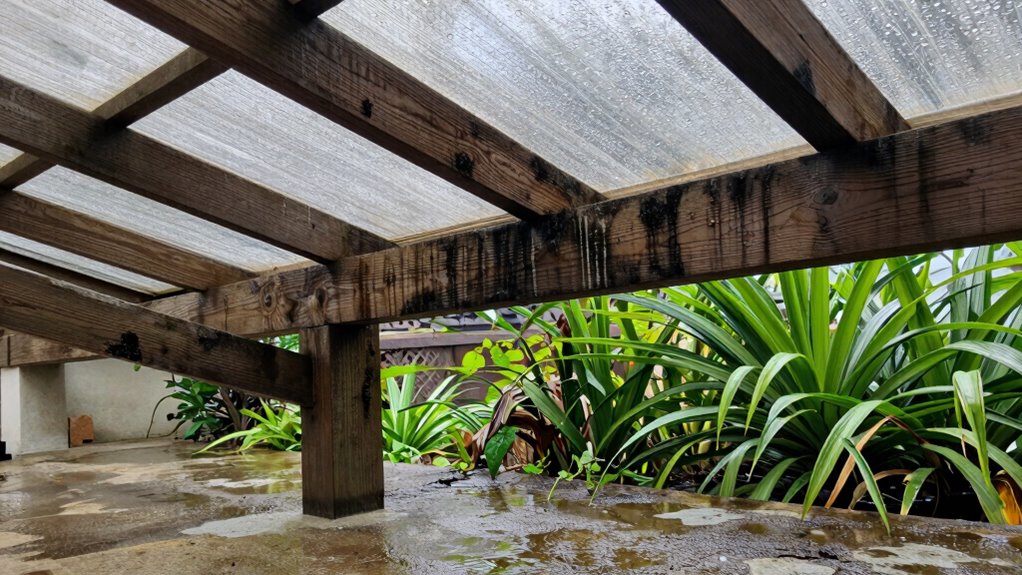

Your covered patio could be trapping more moisture than you realize, causing high humidity, dampness, and even mold growth. Poor ventilation allows rain, dew, and watering moisture to linger, seeping into walls, floors, and hidden areas, which can damage your home over time. Installing vents, fans, or screened openings helps improve airflow and reduce this risk. If you want to learn how to better manage moisture and protect your space, keep going.
Key Takeaways
- Covered patios can trap moisture, causing dampness, mold, and deterioration over time.
- Poor ventilation from covers reduces airflow, increasing humidity and mold risk.
- Installing vents, fans, or screened openings improves air circulation and moisture escape.
- Porous surfaces absorb moisture, making drying difficult and promoting mold growth.
- Regular maintenance and proper design help prevent moisture buildup and protect patio and home integrity.
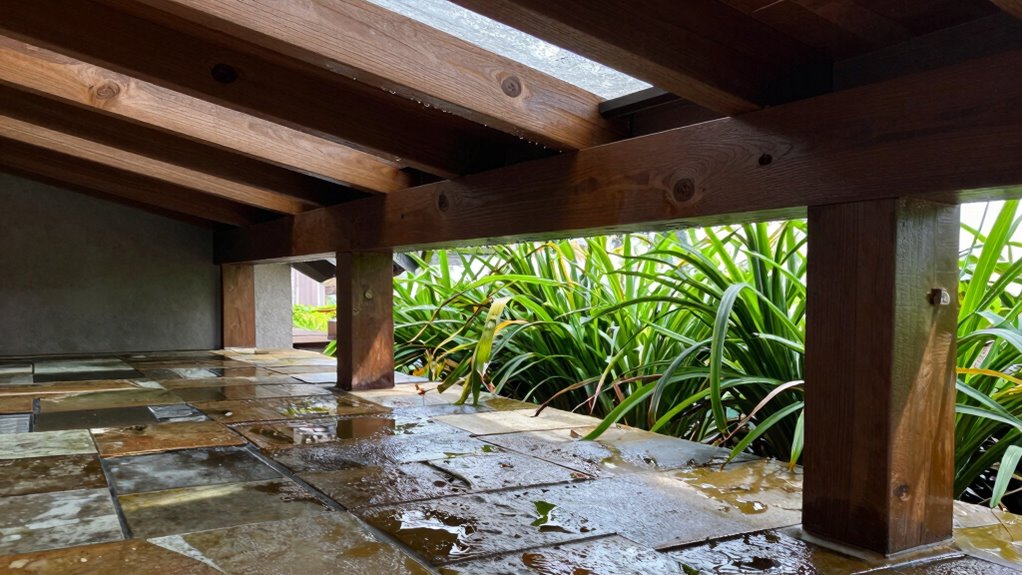
Have you ever wondered if your covered patio is actually helping or damaging your home’s moisture levels? It’s a common question, especially if you notice dampness, musty smells, or signs of mold around the area. What many homeowners don’t realize is that a covered patio can sometimes trap moisture rather than allow it to escape. This creates ventilation issues, which can lead to increased humidity and, over time, mold growth. The key is understanding how your patio’s design influences airflow and moisture control.
If your patio has poor ventilation, moisture from rain, dew, or even everyday activities like watering plants can linger longer than they should. Without proper airflow, damp air gets trapped, raising the overall humidity in that space and nearby parts of your home. This excess moisture doesn’t just stay put; it can seep into walls, flooring, and even your interior living spaces, accelerating deterioration and making mold prevention more difficult. Mold thrives in environments with high humidity and stagnant air, so if your covered patio isn’t well-ventilated, you’re inadvertently creating ideal conditions for mold to develop.
To prevent this, you need to evaluate how air moves around and through your patio. Are there enough vents or openings that allow fresh air to circulate? If not, installing proper ventilation options can make a substantial difference. Simple solutions like ceiling fans, exhaust vents, or even screened openings can improve airflow and help moisture escape. When air circulates freely, humidity levels decrease, reducing the risk of mold forming on surfaces or in hidden corners. This not only protects your outdoor space but also keeps the interior of your home healthier and more durable. Additionally, understanding the importance of proper ventilation can help you make informed decisions about design and maintenance. Proper airflow management is essential to prevent moisture buildup and control indoor humidity.
It’s also wise to examine the materials used in your patio’s construction. Porous or non-water-resistant surfaces can absorb moisture, making it harder for the area to dry out naturally. Regular maintenance, such as clearing debris that blocks vents or drains, can further improve ventilation and moisture management. Proper ventilation is essential for controlling indoor humidity levels and preventing mold growth. Incorporating adequate ventilation into your patio design can greatly enhance moisture control and reduce mold risk. By addressing ventilation issues proactively, you create an environment where moisture doesn’t linger, greatly aiding in mold prevention.
Ultimately, your covered patio should act as an extension of your living space—comfortable, dry, and free of mold risks. Proper ventilation is the foundation of that comfort. When you ensure airflow is adequate, you minimize trapped moisture, reduce humidity, and keep mold at bay. It’s a simple yet crucial step to maintaining a healthy, beautiful outdoor area that enhances your home rather than harms it.
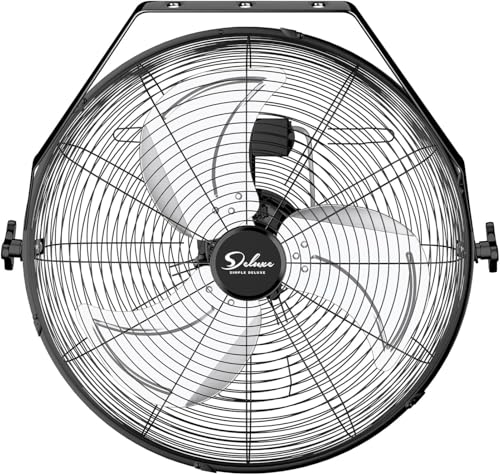
Simple Deluxe 18 Inch Industrial Wall Mount Fan, Max 4200 CFM 3 Speed Commercial Ventilation Metal Fan for Warehouse, Greenhouse, Workshop, Patio, Factory and Basement – High Velocity Black
High Velocity Air Circulator – With a heavy duty 3-speed thermally protected PSC motor making our High-Power fan…
As an affiliate, we earn on qualifying purchases.
As an affiliate, we earn on qualifying purchases.
Frequently Asked Questions
Can Moisture Buildup Cause Structural Damage Over Time?
Yes, moisture buildup can cause structural damage over time. When you improve ventilation and add moisture barriers to your covered patio, you reduce excess humidity that can lead to wood rot, mold, or rust. Without these updates, moisture can seep into your structure, weakening it and causing costly repairs. Regularly maintaining ventilation and moisture barriers helps protect your patio’s integrity and prolong its lifespan.
How Often Should I Inspect My Covered Patio for Mold?
You should inspect your covered patio for mold at least once a month to catch any issues early. Incorporate regular cleaning routines that include wiping down surfaces and checking hidden corners. Improving ventilation helps prevent moisture buildup and mold growth, so consider adding vents or fans. Staying proactive reduces the risk of hidden damage and keeps your outdoor space fresh, inviting, and safe for family and friends.
Are There Specific Materials That Trap Less Moisture?
Yes, using water-resistant coatings and breathable materials can help reduce moisture buildup. Water-resistant coatings prevent water from penetrating surfaces, keeping them dry longer. Breathable materials, like certain fabrics and wood, allow moisture to escape, reducing mold risk. When selecting materials for your covered patio, opt for those designed to handle moisture better, ensuring your space stays dry and mold-free. Regular inspections combined with these choices can considerably improve your patio’s durability.
Does Humidity Level Affect Moisture Accumulation on Patios?
Think of humidity levels as a silent artist painting your patio with invisible moisture. When humidity control drops, moisture prevention becomes easier, preventing dampness from creeping in. High humidity acts like a sponge, soaking your space in unwanted dampness. By managing humidity effectively, you keep moisture at bay, safeguarding your patio from mold, rot, and damage. Keep the air dry, and your patio remains a welcoming, dry haven.
What Are Quick Signs My Patio Is Trapping Too Much Moisture?
You’ll notice signs like mold or mildew growth, musty odors, and peeling paint on your patio, indicating trapped moisture. Check plant drainage — if water pools or plants stay soggy, it’s a red flag. Improve ventilation options by opening vents or installing fans to circulate air better. These steps help reduce excess moisture, protect your patio’s structure, and keep the space dry and welcoming.

Hon&Guan Soffit Vents 4 Inch, Round Exhaust Air Vent Cover with Built-in Fly Screen for Bathroom Kithchen Office Home, White
Hon&Guan 4'' dryer vent cover is made of high quality ABS.
As an affiliate, we earn on qualifying purchases.
As an affiliate, we earn on qualifying purchases.
Conclusion
So, next time you step onto your covered patio, imagine it as a secret sponge quietly soaking up every drop of moisture. Without proper ventilation, it’s like trapping a storm inside, turning your outdoor space into a damp, gloomy cave. Keep it airy, and let the sunshine burst through like a gust of fresh air. By giving your patio some room to breathe, you’ll keep it dry and welcoming — a true oasis, not a hidden swamp.
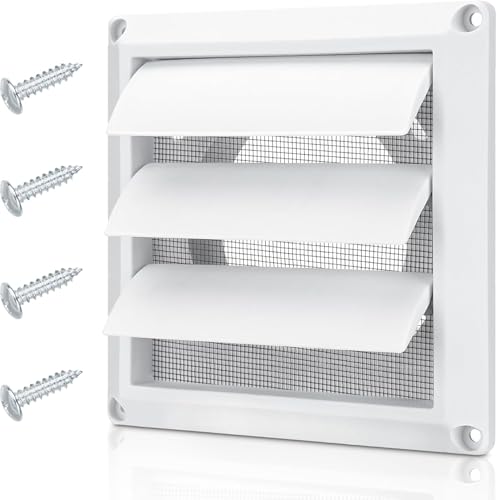
4 Inch Dryer Vent Cover for Exterior Wall Vent Hood Outlet Airflow, Dryer Air Vent with Screen with 4 Screw for Easy Installation, White
Prevent rats and birds! 4 inch outdoor vinyl dryer vent cover with removable screen can prevent dust from…
As an affiliate, we earn on qualifying purchases.
As an affiliate, we earn on qualifying purchases.

CLEVAST Moisture Absorbers Packets 10 Pack, Dehumidifier Bags for Closet, Unscented Hanging Humidity Absorber in Wardrobes, Bedrooms, Bathrooms(Net Wt. 230g/Pack)
EFFECTIVE DEHUMIDIFICATION: The CLEVAST dehumidifier bags feature spherical calcium chloride particles that can attract and absorb excess moisture…
As an affiliate, we earn on qualifying purchases.
As an affiliate, we earn on qualifying purchases.