
TL;DR

Get garden gear delivered free with Prime
- Fast, free delivery on millions of items
- Prime Video, Amazon Music and more included
- Member-only deals all year
An Ideal Home report names five plants that experts say can cope with windy garden conditions: hardy geraniums, ornamental grasses, photinia, lavender and hawthorn. Their resilience depends on factors including establishment and growing conditions; lavender, for example, needs free-draining soil.
An Ideal Home report has identified five plants that horticultural experts recommend for windy gardens: hardy geraniums, ornamental grasses, photinia, lavender and hawthorn. The advice offers gardeners options for reducing the risk of damaged stems and battered borders during autumn and winter storms, but it does not mean any plant is immune to severe weather.
The recommendations are based on how each plant grows. Hardy geraniums stay low, and horticultural expert Richard Barker of LBS Horticulture says their dense, interlocking growth can help stabilize soil and keep individual stems less exposed to strong gusts. Their lower, flexible structure also makes them less reliant on staking than taller perennials, according to Barker.
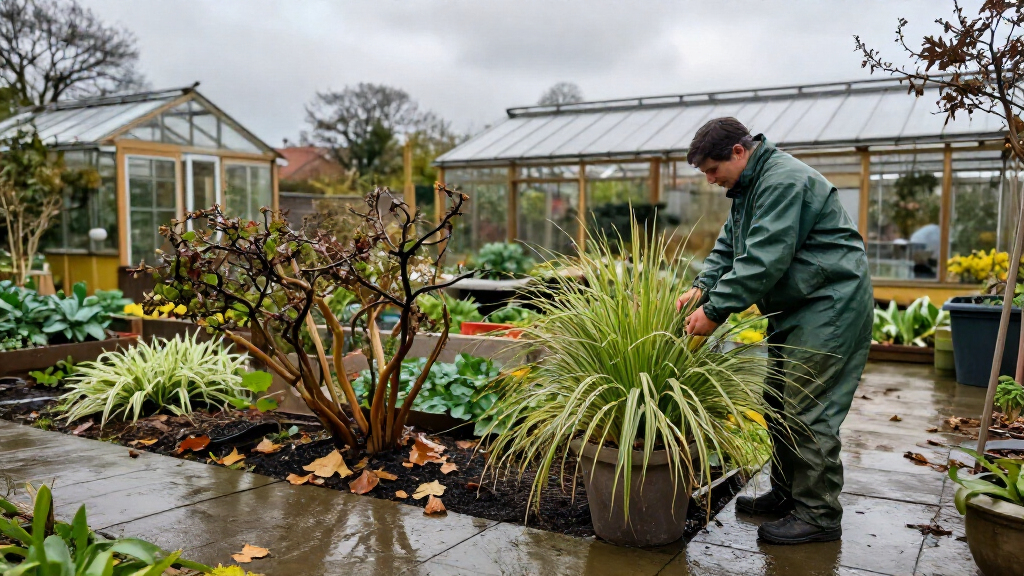
Ornamental grasses are another option for exposed borders. Stephanie Harrod, founder of Harrod Horticultural, says their stems can move with the wind rather than resist it. She gives Calamagrostis ‘Karl Foerster’ as an example of a grass that can cope in exposed conditions while adding height and seasonal structure.
Photinia, a shrub often used for screening and hedging, is described by Barker as having flexible wood and dense foliage. He says its leaves can help limit wind scorch and that established plants develop roots that anchor them in the ground. These benefits are presented as expert guidance, not a guarantee against uprooting in a storm.
Lavender is suited to sunny, exposed spots, Harrod says. Its narrow leaves and woody growth help it cope with breezy conditions once established, and its flowers can provide nectar for bees and other pollinators. The key qualification is soil: lavender needs free-draining ground, as persistently wet roots can cause problems.
For hedging, Barker recommends hawthorn, a UK-native plant. He says its structure lets some wind pass through, slowing it rather than forming a solid barrier, and its branches can flex in strong gusts. Hawthorn can also recover from hard winter pruning, according to Barker.
Choosing Plants for Exposed Borders
Wind can damage gardens by snapping stems, battering foliage and loosening plants, so choosing species with lower, flexible or resilient growth may help reduce maintenance after poor weather. The five recommendations also serve different purposes: geraniums and grasses suit borders, while photinia and hawthorn can form screening or hedging. Lavender adds flowers and fragrance where the soil and light conditions suit it.
The advice is practical rather than a promise of storm-proof planting. Plant health, soil, exposure and whether a shrub has established all affect how it fares. A plant that handles ordinary windy conditions may still be damaged by an especially severe gale, and the article does not provide comparative trial data ranking these choices.
Products Worth Considering

Greenworks 60V 17-Inch Push Lawn Mower with 4.0 Ah Battery and Charger

Husqvarna Automower 550 Robotic Lawn Mower

EGO Power+ HT2601 26-Inch Cordless Hedge Trimmer with 56V 2.5Ah Battery and Charger
As an affiliate, we earn on qualifying purchases.
Autumn and Winter Wind Risks
The report frames its recommendations around the approach of autumn and winter, when UK gardens can face strong winds. It notes that planting may not be a priority for many gardeners in November, while suggesting that plant choice made ahead of stormy weather can influence how a garden holds up.
The list combines low-growing perennials, grasses, shrubs and native hedging, rather than suggesting one solution for every garden. It does not give a single planting calendar or detailed site-by-site plan. Its central guidance is to match plants to exposure and growing conditions, particularly by giving lavender the well-drained soil it needs.
“Hardy geraniums are good for windy gardens because they are low-growing and have dense foliage.”
— Richard Barker, horticultural expert and commercial director at LBS Horticulture
Limits of the Plant Advice
The report does not cite controlled testing, quantify how much wind each plant can withstand or rank the five by storm resistance. It also does not specify which varieties are best for every soil type, climate or level of exposure. Expert descriptions of resilience should not be read as a guarantee that plants will avoid damage in severe storms.
Success will depend on the plant being suited to the garden and having time to establish. The source gives particular conditions for lavender, but does not provide detailed planting or aftercare instructions for every species.
Matching Plants to Garden Conditions
Gardeners considering the recommendations can first assess how exposed their site is and whether it gets sun, shade or waterlogged soil. They can then select plants for the role they need—such as low border cover, seasonal height or a hedge—while checking that the chosen species suits local conditions.
The report does not announce a follow-up study or a specific next milestone. Its practical next step is to plan planting with the stated limitations in mind, especially lavender’s need for drainage, and to treat all five choices as more wind-tolerant options rather than storm-proof guarantees.
Key Questions
Which five plants does the report recommend for windy gardens?
The list is hardy geraniums, ornamental grasses, photinia, lavender and hawthorn. The report presents them as plants experts recommend for windy conditions, not as choices guaranteed to withstand every storm.
Which ornamental grass is named as an example?
Stephanie Harrod names Calamagrostis ‘Karl Foerster’ as a grass that can cope well in exposed borders.
What soil does lavender need?
Harrod says lavender needs free-draining soil. Wet roots can cause problems, so the plant may not suit ground that stays waterlogged.
Does hawthorn block all the wind?
No. Barker says hawthorn lets wind filter through and can slow it down, rather than forming a solid wall. The report does not claim that a hawthorn hedge will prevent storm damage.
Are these plants guaranteed not to be damaged in a storm?
No. The article describes traits that can help plants cope with wind, but gives no storm-resistance measurements or guarantee. Severe weather and local growing conditions can still cause damage.
Source: idealhome.co.uk