TL;DR
Six herbs can be planted in August and will continue to grow as summer fades. This allows gardeners to maintain fresh, homegrown flavors into fall and beyond. The article provides expert tips and specific herb recommendations.
Gardeners can still plant six specific herbs in August that will continue to grow as summer ends, according to recent gardening advice. This offers an opportunity to maintain fresh, homegrown flavors well into the fall without the need for additional planting later in the season. Experts emphasize that these herbs are resilient and suitable for late-season planting.

Get garden gear delivered free with Prime
- Fast, free delivery on millions of items
- Prime Video, Amazon Music and more included
- Member-only deals all year
According to gardening specialists, six herbs—basil, cilantro, chives, parsley, mint, and thyme—are particularly well-suited for planting in August. These herbs are known for their ability to thrive in late summer and into autumn, providing fresh flavor for months to come. Gardeners are encouraged to sow these herbs now, using appropriate soil and watering practices, to maximize their growth before the onset of cooler weather.
Experts highlight that many of these herbs are versatile and can be grown in garden beds or containers. For example, mint and parsley are hardy and can tolerate some cooler temperatures, while basil and cilantro may need some protection in late fall. Proper placement and care can prolong their harvest period, reducing the need for replanting.
Why Planting These Herbs in August Matters for Gardeners
Planting these six herbs in August allows gardeners to extend their harvest season and enjoy fresh herbs into the fall. This reduces the need for purchasing herbs from stores, promotes sustainable gardening practices, and enhances home cooking with fresh, homegrown ingredients. Additionally, these herbs can be used for culinary, medicinal, and decorative purposes, making them a valuable addition to any garden.
Products Worth Considering

Orbit B-hyve XR 16-Zone Indoor/Outdoor Smart Sprinkler Controller
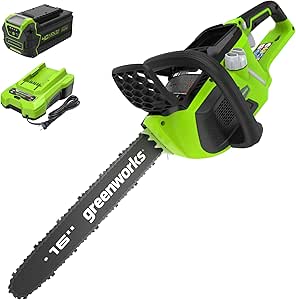
Greenworks 40V Brushless Cordless Chainsaw Kit, 16-Inch Bar, 4.0Ah Battery and Charger

Greenworks 60V 21-Inch Self-Propelled Cordless Lawn Mower Kit
As an affiliate, we earn on qualifying purchases.
Late Summer Gardening Trends and Herb Selection
As summer transitions to fall, many gardeners seek ways to maximize their outdoor space and prolong their harvest. Recent gardening guides have emphasized the importance of selecting resilient herbs that can withstand changing temperatures. The recommended herbs—basil, cilantro, chives, parsley, mint, and thyme—have been consistently noted for their adaptability and productivity during late summer planting windows. This advice aligns with broader trends encouraging sustainable and year-round gardening practices.
Uncertainties About Herb Growth in Cooler Weather
It is not yet clear how significantly cooler temperatures and shorter daylight hours will impact the growth and longevity of these herbs in different regions. Some herbs may require additional protection or indoor moving as temperatures drop, and specific local climate conditions could influence success rates.Next Steps for Gardeners Planning August Herb Planting
Gardeners are advised to prepare their planting areas now, selecting appropriate containers or beds, and to monitor weather forecasts for early frosts. Continuing care—such as mulching, watering, and possibly providing cover—will help maximize herb growth. Experts recommend harvesting herbs regularly to encourage continued growth and planning for indoor or protected planting if temperatures fall significantly.
Key Questions
Which herbs are best suited for planting in August?
The six recommended herbs are basil, cilantro, chives, parsley, mint, and thyme. These herbs are known for their late-season resilience and flavor.
Can I grow these herbs in containers?
Yes, most of these herbs grow well in containers, which can be moved indoors if necessary to protect them from cold weather.
How should I care for herbs planted in late summer?
Ensure they are planted in well-drained soil, water regularly, and provide some shade during the hottest part of the day. Mulching can help retain moisture and protect roots.
Will these herbs survive winter outdoors?
Some, like mint and parsley, are hardy and may survive mild winters with protection. Others, such as basil and cilantro, may need to be brought inside or treated as annuals.
When should I harvest these herbs for best flavor?
Harvest regularly once the herbs are established, ideally in the morning after dew has dried, to enjoy peak flavor throughout the fall.
Source: rss