TL;DR
Garden experts warn of six pests that become active in July, emphasizing early detection and prevention to protect plants. The advice aims to help gardeners avoid costly damage during peak pest season.
Experts warn that six common garden pests become particularly active in July, posing a significant threat to plants if not managed early. This advice is crucial for gardeners aiming to protect their crops and ornamental plants during the peak pest season.

Get garden gear delivered free with Prime
- Fast, free delivery on millions of items
- Prime Video, Amazon Music and more included
- Member-only deals all year
According to horticultural specialists, the six pests to watch for in July include aphids, Japanese beetles, spider mites, squash bugs, cutworms, and cabbage worms. These pests are known for their rapid reproduction and destructive feeding habits, which can cause extensive damage to vegetables, flowers, and fruit plants if left unchecked.
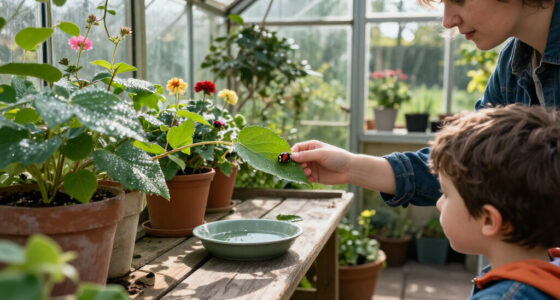
Gardening authorities recommend early intervention strategies such as manual removal, targeted use of insecticidal soaps, and encouraging natural predators like ladybugs. They emphasize the importance of regular garden inspections, especially during warm, dry weather conditions that favor pest proliferation.
While these pests are most active in July, experts note that the timing can vary depending on local climate conditions. Gardeners are advised to stay vigilant, especially in regions with extended warm seasons.
Why Protecting Your Garden in July Matters
Preventing pest damage in July is vital because this period marks the peak activity for many common garden pests. Early detection and control can save gardeners from losing significant portions of their crops or ornamental plants, reducing the need for costly treatments later. Additionally, effective pest management supports sustainable gardening practices by minimizing chemical use and encouraging natural pest control methods.
Products Worth Considering

Orbit B-hyve 12-Zone Indoor/Outdoor Wi-Fi Sprinkler Controller

Husqvarna ST 124 212cc Two-Stage Snow Blower, 24-Inch

Rachio 3 Smart Sprinkler Controller, 16-Zone
As an affiliate, we earn on qualifying purchases.
July as the Peak Pest Activity Period
Historically, July is recognized as a critical month for pest activity due to warm temperatures and dry conditions that favor pest reproduction and survival. Past seasons have shown increased infestations of aphids and beetles during this time, leading to significant crop losses if preventative measures are not taken. Gardeners have historically relied on early intervention strategies to mitigate these risks, emphasizing the importance of regular monitoring during this period.
“Early detection is key. Gardeners should inspect plants weekly and act promptly at the first sign of pests to prevent widespread damage.”
— Dr. Susan Miller, horticultural expert
Uncertain Factors in Pest Activity Timing and Severity
While experts agree on the pests to watch for, the exact timing and severity of infestations can vary based on local climate conditions, garden size, and plant varieties. It is not yet clear how atypical weather patterns, such as unexpected rain or drought, might influence pest outbreaks this season.
Next Steps for Gardeners to Safeguard Plants in July
Gardeners should conduct weekly inspections of their plants, focusing on common pest hotspots. Implementing early control measures, such as organic sprays or introducing natural predators, is recommended. Monitoring weather forecasts and local pest advisories will help adjust pest management strategies as needed throughout July.
Key Questions
What are the most effective methods to control aphids in July?
Manual removal, applying insecticidal soap, and encouraging natural predators like ladybugs are effective methods to control aphids.
When should I start inspecting my garden for pests in July?
Start inspecting your garden weekly early in July, especially after warm, dry weather, to catch pests early.
Are chemical pesticides recommended for pest control in July?
Experts suggest using targeted, organic methods first. Chemical pesticides should be a last resort and used carefully to avoid harming beneficial insects.
Can natural predators completely eliminate pests?
While natural predators can significantly reduce pest populations, complete elimination is unlikely. Combining methods offers the best protection.
How does weather influence pest activity in July?
Warm, dry conditions typically increase pest reproduction and activity, but unusual weather patterns can alter these trends, making pest management more unpredictable.
Source: rss