
TL;DR
A Homes & Gardens gardening report says eight plants may need winter protection earlier than gardeners expect, especially if they are newly planted, growing in containers or exposed to winter wet and wind. Its advice includes improving drainage, insulating pots and using breathable covers, with specific care depending on the plant and local conditions.
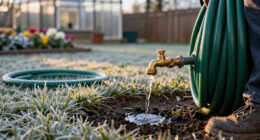
A Homes & Gardens report advises gardeners to prepare eight plants for winter before the first hard frost, warning that cold is not the only risk: waterlogged soil, wind and freezing conditions around container roots can also cause damage. Some plants may need extra winter protection before harsh weather arrives. The guidance focuses on checking the forecast and a plant’s location, rather than relying on its hardiness label alone.

Get garden gear delivered free with Prime
- Fast, free delivery on millions of items
- Prime Video, Amazon Music and more included
- Member-only deals all year
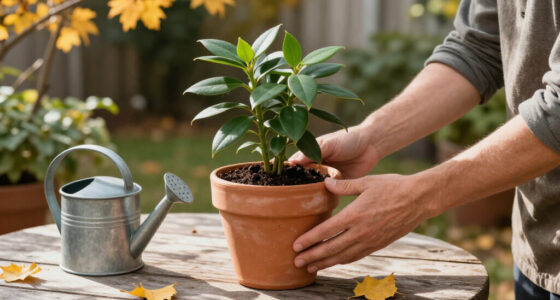
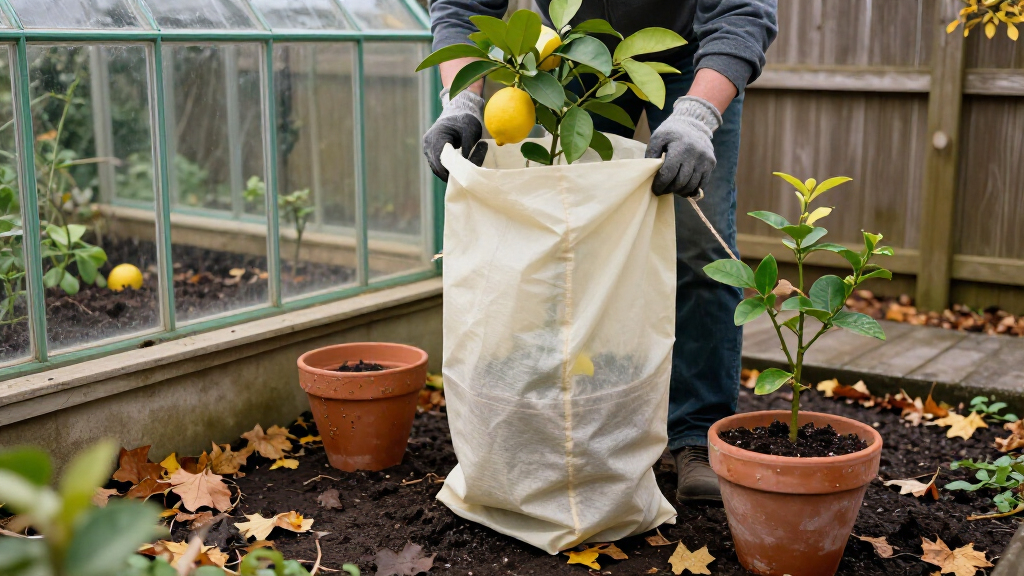
The report names lavender, coral bells, bigleaf hydrangeas, rosemary, Japanese maples and gardenias among plants that may need protection; its supplied text cuts off during the gardenia section, so it does not provide the complete list of eight or the remaining care details. Its central advice is to address the particular risk: improve drainage for plants vulnerable to winter wet, insulate pots where roots are exposed, and use breathable covers to reduce the effects of cold and wind.
For lavender, the report recommends clearing fallen leaves and debris from the crown, especially where heavy soil holds water. Coral bells have shallow roots that can be pushed above the soil by repeated freezing and thawing; a loose mulch around the root zone can help, but should not cover the crown. For bigleaf hydrangeas, protection may preserve flower buds on old wood, but the report advises waiting until the shrub is dormant and temperatures are consistently cold before enclosing it.
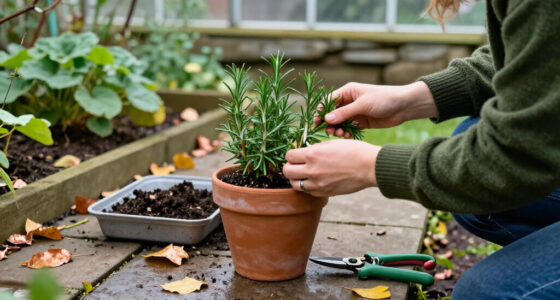
Rosemary in pots may need to be moved to a sheltered, bright, cool place or a frost-free greenhouse in colder regions; a pop-up shelter for tender plants can offer another way to protect them. The report says young and container-grown Japanese maples are more exposed to cold and drying wind than established trees, and recommends watering newly planted trees before the ground freezes, then mulching without piling material against the trunk. These are general gardening recommendations; the appropriate response depends on a plant’s variety, local climate and growing conditions. For more seasonal garden care, see these ways to support garden birds in winter.
Winter Risks Beyond Frost
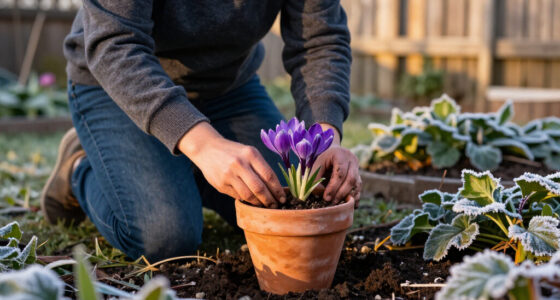
The advice draws attention to risks that a simple frost forecast does not capture. Wet soil can harm roots and crowns, while wind and repeated freeze-thaw cycles can stress exposed plants. Container-grown specimens face a separate concern: their roots are surrounded by a limited volume of soil and can be more exposed to low temperatures than roots in the ground.
That distinction matters because the same remedy does not suit every plant. A tight, damp covering may worsen problems for a plant that needs airflow, while moving a tender potted herb to shelter may be more useful than wrapping it outdoors. The report’s practical takeaway is to match protection to the plant’s vulnerability and site, and to avoid treating hardiness ratings as a guarantee for every garden.
Products Worth Considering

EGO POWER+ Cordless Electric Leaf Blower with Battery, 530 CFM (LB5302)
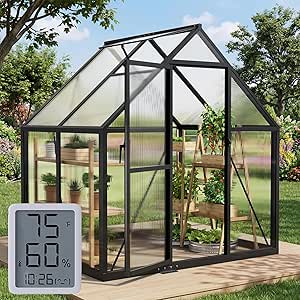
Sylviera 6 × 4 ft Walk-In Greenhouse with Hygrometer

Blackstone 22-Inch Tabletop Griddle with Stainless Steel Faceplate
As an affiliate, we earn on qualifying purchases.
Prepare Before Hard Frost
The report frames October as a time to inspect the garden and respond to the forecast, not as a fixed date when every plant should be wrapped. It advises gardeners to mulch after the soil cools, prepare breathable covers for vulnerable plants and insulate containers where necessary. For shrubs that need bud protection, it cautions against enclosing them while conditions remain warm.
Hardiness zones cited in the report are broad guides, not promises that a particular plant will thrive in every location. Variety, drainage, exposure, whether a plant is established, and whether it is in a pot can all affect winter performance. The source specifically says conditions differ and that sheltered placement and good drainage can matter alongside a plant’s stated hardiness.
“In October, make sure you check the forecast, not just the plant label.”
— Homes & Gardens report
The List Is Incomplete
The supplied source text ends partway through its gardenia section. Although the headline promises eight plants, the available material does not include the full list, the last two plants or their specific recommendations. The article also does not provide a publication date beyond its seasonal October guidance, and it does not identify a single climate or frost date that applies to all readers.
Plant hardiness and winter damage vary by cultivar and local conditions. The supplied report gives some USDA zone ranges, but those should not be read as a guarantee of survival in a particular garden. It also does not provide evidence quantifying how often the named plants are damaged or how much protection improves survival.
Check Conditions Before Covering
Gardeners can use the report’s advice as a prompt to check local forecasts and inspect plants before cold weather arrives. Identify newly planted shrubs and plants in pots, look for places where water collects, and prepare breathable fabric or suitable insulation for plants that need it. Follow product instructions for any tree wrap, and remove seasonal trunk protection in spring as directed.
Before taking action, check the plant’s variety and whether it flowers on old or new wood; that distinction affects the need to protect hydrangea buds. The supplied report does not include its full recommendations for all eight plants, so advice for the missing entries cannot be confirmed from the available source material.
Key Questions
Which plants does the available report identify?
The supplied text names lavender, coral bells, bigleaf hydrangeas, rosemary, Japanese maples and gardenias. It cuts off during the gardenia section, so the final two plants are not available in the source material provided.
When should winter protection go on?
The report recommends checking the forecast and preparing before the first hard frost. For bigleaf hydrangeas, it advises waiting until the shrub is dormant and temperatures are consistently cold before adding an enclosure.
Should lavender be wrapped for winter?
The report emphasizes drainage and a dry crown for lavender, advising gardeners to clear away leaves and debris and improve drainage in heavy soil. It suggests a protective structure for exposed or newly planted specimens, with airflow around the foliage.
How should potted rosemary be protected?
In colder regions, the report recommends moving potted rosemary to a bright, cool indoor location or a frost-free greenhouse. If it must stay outside temporarily, insulating the pot may help, but the report says that will not make a tender variety reliably hardy.
Can hardiness zones tell me whether a plant needs protection?
They are a guide, not a guarantee. The report says variety and local conditions differ, and points to drainage, shelter, wind exposure and container growing as factors that can affect winter risk.
Source: rss