
TL;DR
A Grow Organic guide advises gardeners to treat blood meal as a concentrated nitrogen source and follow crop- and product-specific label rates. Soil testing, accounting for nutrients from other amendments, careful placement and avoiding repeat applications without evidence of need can help reduce the risk of root damage and excessive leafy growth.
Grow Organic has published guidance for gardeners using blood meal, a concentrated nitrogen fertilizer, warning that applying too much can damage roots and encourage excess leafy growth. The report recommends checking crop needs and soil conditions, accounting for nutrients from other amendments, and following the product label rather than relying on a universal dose.

Get garden gear delivered free with Prime
- Fast, free delivery on millions of items
- Prime Video, Amazon Music and more included
- Member-only deals all year
Blood meal is dried, processed animal blood used as an organic nitrogen source. Grow Organic says products often contain about 12% to 13% nitrogen, though the guaranteed analysis varies by product. Soil organisms release the nutrients as they break down the material, a process influenced by warmth and moisture; the fertilizer’s effects are not immediate or identical across seasons.
The guide recommends starting with a soil test and crop-specific guidance. Routine soil tests may not include nitrogen because available nitrogen changes quickly, so the report advises asking a local Extension office how to interpret results alongside crop recommendations. Gardeners should also count nutrients supplied by compost and other fertilizers before applying more nitrogen.
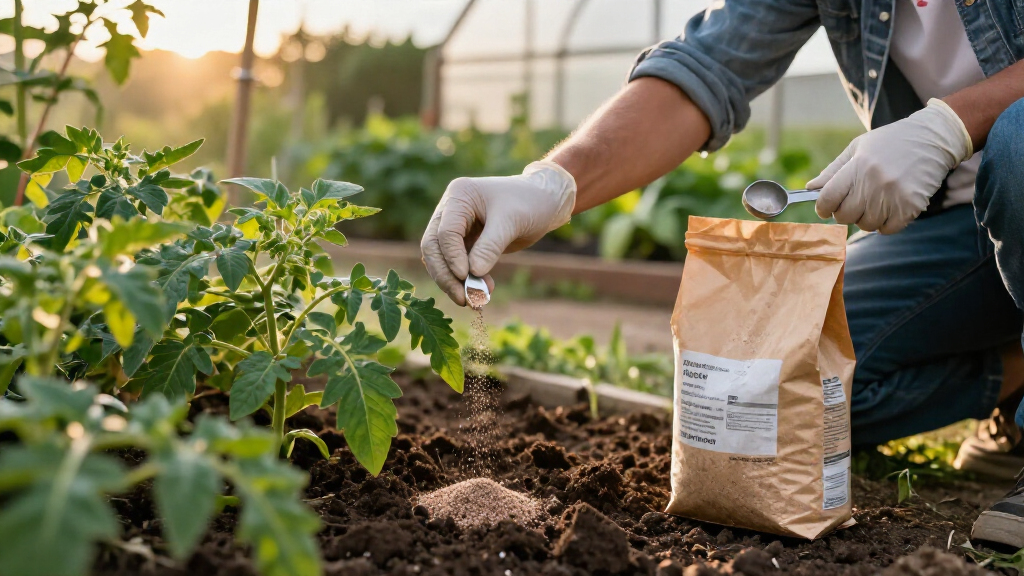
For application, the report says to measure the amount specified on the product label, spread it as directed, and incorporate it gently only if instructed. Keep concentrated material away from stems and exposed roots, and water according to label directions and soil conditions. The guide cautions that garden-bed rates may not be suitable for containers and says to use container-specific directions.
Why Accurate Rates Matter
Blood meal can meet a crop’s nitrogen needs, but the same concentrated nutrient source can cause problems when applied in excess. Overapplication can burn roots; repeated feeding may also favor foliage over fruit, according to the guide. That matters to home gardeners because slow or yellowing growth does not, by itself, establish that a plant needs more fertilizer.
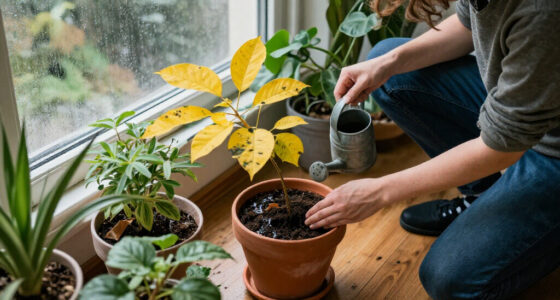
The report advises diagnosing plant problems before feeding. Water stress and root damage, among other issues, can resemble nitrogen deficiency. Applying fertilizer based only on a symptom can add nutrients the plant does not need, while delaying attention to the actual cause. A measured, documented approach can reduce that risk and help gardeners avoid repeating applications without evidence.
Products Worth Considering

EGO POWER+ LB7654 Cordless Leaf Blower with 5.0Ah Battery

Orbit B-hyve 12-Zone Indoor/Outdoor Wi-Fi Sprinkler Controller

Greenworks 60V 21-Inch Self-Propelled Cordless Lawn Mower Kit
As an affiliate, we earn on qualifying purchases.
Blood Meal and Other Amendments
The source distinguishes blood meal from two other animal-derived soil amendments. Blood meal supplies nitrogen, while bone meal is primarily used for phosphorus and calcium. Feather meal also provides nitrogen, but releases it through decomposition and may act more slowly. The source stresses that these products serve different purposes and says gardeners should compare product analyses rather than treat them as interchangeable.
Grow Organic also notes that using blood meal and bone meal together is not automatically appropriate for every garden. Whether either nutrient is needed depends on the soil and crop. A test and product labels can help guide the decision; adding amendments simply because they are available may supply nutrients the garden does not require.
Timing should likewise follow crop demand and product directions. The report says blood meal may support leafy growth when nitrogen is lacking, but warns against automatic repeat feeding when plants slow down. Slow growth alone is not a diagnosis, and applying more fertilizer without identifying the problem can worsen an imbalance.
“More fertilizer does not always mean better growth.”
— Grow Organic
Rates Depend on Garden Conditions
There is no universal amount per plant in the guidance. Appropriate rates depend on the crop, soil volume, product analysis, existing nutrient supply and label directions. The source does not provide a single rate that can safely be applied across gardens or container sizes.
The source also does not give a publication date or report new test results on fertilizer performance. It presents practical guidance, not evidence that blood meal is the cause of any particular plant’s symptoms. Yellow leaves do not prove nitrogen deficiency; the cause may instead involve watering, damaged roots or another problem. Gardeners should consult local crop recommendations and product instructions where details are uncertain.
Check Labels Before Feeding
Before applying blood meal, gardeners can review the product’s guaranteed nutrient analysis and label rate, assess crop needs, and account for compost or other fertilizers already used. Measure the bed or container area instead of estimating. If a label gives a rate per 100 square feet, the guide’s example is to use half that amount for a 50-square-foot area, while still following the full label directions for the product and crop.
After application, keep a record of the product, amount and date. If plants remain unhealthy or growth slows, investigate watering, roots and other possible causes before feeding again. The report points readers to local Extension offices for help interpreting soil results; the next step is diagnosis and label-based application, not automatic reapplication.
Key Questions
Can blood meal burn plants?
Yes. Grow Organic says overapplication can burn roots and cites Colorado State University Extension on excess ammonia as a burn risk. Follow the product label and keep concentrated material away from stems and exposed roots.
How much blood meal should I use?
There is no universal dose. Use the label rate for the product and crop, taking account of the product’s nutrient analysis, growing area and nutrients already supplied by compost or other fertilizers.
Should I apply blood meal when leaves turn yellow?
Not based on that symptom alone. Yellow leaves do not confirm nitrogen deficiency; watering problems, damaged roots and other causes may look similar. Diagnose the issue before adding fertilizer.
Can blood meal and bone meal be used together?
They can be used together when the soil and crop need both nutrients, but the combination is not automatically balanced for every garden. Blood meal primarily supplies nitrogen; bone meal mainly supplies phosphorus and calcium. Check soil guidance and both product labels before applying.
Source: groworganic.com