TL;DR

Get garden gear delivered free with Prime
- Fast, free delivery on millions of items
- Prime Video, Amazon Music and more included
- Member-only deals all year
Gardening Know How recommends buttonbush (Cephalanthus occidentalis) as a native alternative to butterfly bush for gardens with moist or poorly drained soil. Its summer flowers offer nectar and pollen to pollinators, and its later fruit can feed birds; the shrub is not suited to dry sites.
Buttonbush (Cephalanthus occidentalis), a shrub native to much of the United States, is being recommended as an alternative to butterfly bush for gardeners seeking to support wildlife. Gardening Know How says buttonbush produces summer flowers used by pollinators and fruit eaten by birds, but its preference for moist to wet soil makes it a better fit for damp sites than dry garden beds.
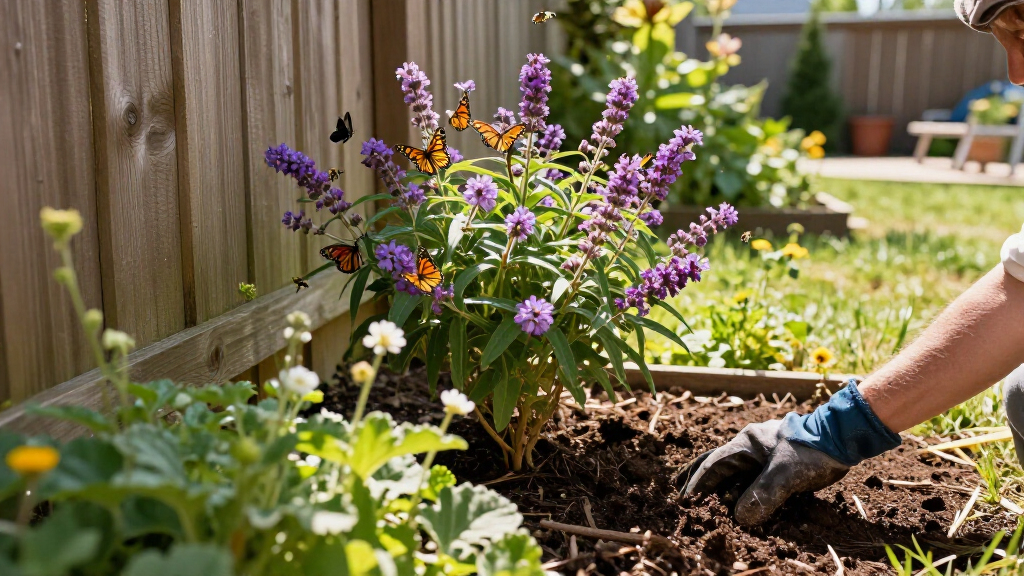
Buttonbush has a different look from butterfly bush: rather than tapered clusters, it produces round, white flower heads made up of many small tubular blooms. The report says these usually appear in summer and have a honey-like fragrance. Their nectar and pollen can benefit bees, butterflies and other pollinators, including hummingbirds.
After flowering, the shrub develops rounded fruit clusters that the report identifies as food for birds, including songbirds and some waterfowl. Its value across more than one season is part of the case for planting it: flowers serve pollinators, while fruit can provide a later food source for birds. The report does not quantify how many species use the plant or how much food it supplies.
Growing conditions are a key qualification. Buttonbush naturally occurs in wet habitats and can tolerate poorly drained ground, according to Gardening Know How. It grows in full sun to partial shade, with better flowering generally associated with adequate sunlight. The report cautions against planting it in dry gardens or hot borders with fast-draining soil, and says gardeners should allow room for a larger shrub.
A Native Shrub for Damp Gardens
The recommendation is relevant to gardeners weighing wildlife value against the risks associated with some ornamental plants. The report describes butterfly bush as capable of becoming invasive in parts of the United States, while presenting buttonbush as a native option with resources for both pollinators and birds. The article does not provide state-by-state invasive status or a formal comparison of the two shrubs, so the recommendation is best understood as a planting option, not a universal replacement.
Buttonbush may be especially useful where soil stays damp after rain or in a rain garden, places where many ornamental shrubs can struggle. Matching the plant to its site matters: a wildlife-friendly shrub that is poorly suited to a dry yard may not thrive there. For readers, the practical takeaway is to check local growing conditions and available space before choosing it.
buttonbush native shrub for wet gardens
As an affiliate, we earn on qualifying purchases.
As an affiliate, we earn on qualifying purchases.
Butterfly Bush and Its Alternative
Butterfly bush (Buddleja davidii) is popular in gardens partly because its colorful flower clusters attract butterflies. The Gardening Know How report notes that it can spread invasively in some parts of the United States. It also mentions sterile cultivars, including Psychedelic Sky, as an option intended to produce little or no viable seed and reduce unwanted spread. The report characterizes that as a potential solution, rather than establishing that every cultivar is sterile or risk-free.
Buttonbush offers a different choice, not a like-for-like substitute for every garden. Its native status across much of the country and its tolerance for wet soil distinguish it from butterfly bush, while its rounded flowers and later fruit support wildlife at different points in the growing season. The source does not give a mature size, specific regional planting zones, or care instructions beyond light and moisture preferences.
“Buttonbush is a wildlife-friendly butterfly bush alternative worth considering, particularly if you have moist soil or a rain garden.”
— Gardening Know How
As an affiliate, we earn on qualifying purchases.
Local Suitability Still Varies
The supplied report does not specify buttonbush’s mature height or spread, regional hardiness, or whether particular cultivars differ in wildlife value. It also does not cite research comparing the amount of nectar, pollen or bird food buttonbush provides with butterfly bush. The broad description of buttonbush as native to much of the United States does not establish that it is native or appropriate in every locality.
The report gives no location-specific guidance on butterfly bush’s invasive status, and its mention of sterile cultivars does not establish that they are available or suitable everywhere. Gardeners should check local extension or native-plant resources for regional advice. Buttonbush’s need for moist soil is clear in the source, but how well it will perform in a particular yard depends on site conditions.
As an affiliate, we earn on qualifying purchases.
Check Site Conditions Before Planting
Gardeners considering buttonbush should first determine whether the planting area stays moist or wet and whether it has enough space for a larger shrub. A site with full sun or partial shade may work, with the source associating adequate sunlight with better flowering. Those with dry, fast-draining beds may need a different native plant suited to local conditions.
The report does not announce a new study, policy, or scheduled follow-up; it offers a gardening recommendation. The next practical step is to consult local native-plant guidance and confirm the plant’s suitability for the area before buying or planting it.
As an affiliate, we earn on qualifying purchases.
Key Questions
What is buttonbush?
Buttonbush (Cephalanthus occidentalis) is a shrub native to much of the United States. It has round white summer flower heads and later forms rounded fruit clusters.
Does buttonbush attract wildlife?
The Gardening Know How report says its flowers provide nectar and pollen for bees, butterflies and other pollinators, including hummingbirds. It also says birds eat its fruit.
What growing conditions does buttonbush need?
Buttonbush prefers moist to wet soil and can tolerate poorly drained areas. It grows in full sun to partial shade, though the report says flowering is generally better with adequate sunlight.
Can buttonbush replace butterfly bush in any garden?
No. The report presents it as an option for gardens with damp soil or rain-garden conditions, not as a fit for every site. Its moisture needs and room for a larger shrub should be considered before planting.
Source: rss
Fall yard work Picks
leaf blowers
As an affiliate, we earn on qualifying purchases.