TL;DR

Get garden gear delivered free with Prime
- Fast, free delivery on millions of items
- Prime Video, Amazon Music and more included
- Member-only deals all year
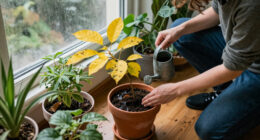
Gardening Know How describes using a raw potato slice to attract fungus gnat larvae from houseplant soil so growers can check for an infestation. The method removes larvae on the discarded slice but does not kill or capture eggs, pupae or adult gnats, so it is a monitoring aid rather than a complete treatment.
Gardening Know How has outlined a low-cost way to check houseplant soil for fungus gnat larvae: place a slice of raw potato on the potting mix, then inspect its underside after a day or two. The slice can attract feeding larvae and remove those attached when it is thrown away, but the report stresses it is not a stand-alone cure because it does not affect eggs, pupae or adult flies.
To try the method, cut a raw potato into slices about ¼ inch (6.4 millimeters) thick. Place a slice cut-side down on the soil and press it lightly so it makes contact with the mix. The report says larvae may move up to feed on the potato; after one or two days, lift it and check the moist underside and the soil beneath. A magnifying glass may help because the larvae are small and can be difficult to see against dark potting mix.
If no larvae appear, the report advises putting the slice back and checking again after another day or two. A clean slice does not prove the pot is free of gnats: larvae may be scarce or may not have reached the potato. The slice should not be left in damp soil indefinitely, since raw potato can decay and add more organic material to the pot. Discard used slices and replace them if continuing to monitor.
The report distinguishes monitoring from control. Removing a slice with larvae can take those individuals out of the pot, but eggs remain in the soil, while pupae and flying adults are not captured by the potato. It describes other steps for persistent infestations, including adjusting watering, using yellow sticky traps for adults, and considering products or biological controls intended for larvae. It advises checking product labels for indoor potted-plant use and following their directions.
A Simple Check, Not a Cure
The potato method gives plant owners a way to look for the part of the infestation that is otherwise hidden below the soil surface. That distinction matters because the tiny adult flies are visible, while larvae live in damp potting mix and are the stage that feeds. A quick inspection can help a grower decide whether gnats are breeding in a particular pot rather than relying only on the number of flies seen near a window.
The report says larvae mainly feed on fungi and decaying organic matter, but can also feed on fine root hairs. A small infestation may not cause noticeable harm, while larger numbers can damage roots and slow growth, especially in seedlings and young plants. The potato slice is useful as a low-cost check, but treating it as proof of eradication could leave other life stages untouched.
For readers, the practical takeaway is to use the slice as one piece of evidence, not as a replacement for addressing conditions that support gnats. The report identifies persistently wet soil as a common contributor and recommends matching watering to a plant’s needs, particularly when cooler, shorter days slow growth. Any pest-control product or biological treatment should be used only as its label permits.
Products Worth Considering

Orbit B-hyve XR 8-Zone Indoor/Outdoor Smart Sprinkler Controller

Orbit B-hyve Smart Indoor/Outdoor 12-Zone Sprinkler Controller
Orbit B-hyve XR 16-Zone Indoor/Outdoor Smart Sprinkler Timer
As an affiliate, we earn on qualifying purchases.
How Gnats Develop in Potting Mix
The source describes fungus gnats as small flies often in the genus Bradysia. It says females can lay up to 200 eggs in damp potting mix. After hatching, larvae feed for a couple of weeks and then pupate near the soil surface; adults emerge about a week later. At room temperature, the report estimates roughly three to four weeks per generation, meaning a problem can build over time if conditions remain favorable.
Larvae are described as clear or whitish, legless and no more than about ¼ inch (6 millimeters) long, with a shiny black head. The report says they are easiest to notice against the potato’s underside or nearby soil, though their small size and the dark, wet mix can make inspection difficult.
For control, Gardening Know How recommends letting the top inch of soil dry before watering again, emptying saucers and checking that pots drain. It also discusses yellow sticky traps for adult flies and soil treatments such as Bacillus thuringiensis subsp. israelensis (Bti) or beneficial nematodes. These are options described by the source, not evidence that every product works in every pot or is suitable for every plant.
“The potato doesn’t poison anything – it just draws feeding larvae up from the roots.”
— Gardening Know How report
What a Clean Slice Cannot Show
The report does not provide a controlled test or measured success rate for the potato method. It presents it as a practical way to attract and inspect larvae, but does not establish how many larvae a slice will draw from a pot or how reliably results reflect the infestation as a whole.
A slice with no visible larvae cannot rule out eggs, pupae, or larvae that have not reached the bait. The source also gives no publication date in the supplied material, and does not identify a particular plant species or pot size for which the method has been tested. Its treatment suggestions should not be read as a guarantee of control; outcomes depend on the infestation, growing conditions and correct product use.
Monitor Soil and Adjust Care
Readers using the method can inspect a potato slice after a day or two and repeat the check with a fresh slice if gnats remain. In parallel, the report recommends allowing the soil surface to dry between waterings, clearing standing water from saucers and confirming that the pot drains. Yellow sticky traps can help track adult activity, though they do not reach larvae in the soil.
If gnats persist, the source describes Bti and beneficial nematodes as possible larval controls. It says Bti products may need repeat applications because the bacterium does not last long indoors, and advises soaking granules in water before applying that water to the soil. For nematodes, it specifies keeping soil moist and temperatures within the product’s stated range. Before using any treatment, check that the label permits indoor potted-plant use, follow its directions and use any protective equipment the label requires. The source does not report a follow-up trial or a later outcome for the potato method.
Key Questions
Does a potato slice get rid of fungus gnats?
Not by itself. It can attract feeding larvae, and discarding a slice with larvae removes those individuals. It does not affect eggs, pupae or adult gnats.
How long should the potato stay on the soil?
The Gardening Know How report recommends checking after one or two days. If nothing is visible, put the slice back and inspect again after another day or two. Do not leave it in damp soil indefinitely, because it can decay.
What do fungus gnat larvae look like?
The source describes them as tiny, clear or whitish, legless larvae with a shiny black head, measuring no more than about ¼ inch (6 millimeters). A magnifying glass may help with inspection.
What should I do if larvae appear?
Discard the slice and review watering and drainage; the report recommends letting the top inch of soil dry before watering again. Sticky traps can monitor adults. If using a soil treatment such as Bti or beneficial nematodes, confirm the label allows indoor use on potted plants and follow all directions.
Source: gardeningknowhow.com