
TL;DR

Get garden gear delivered free with Prime
- Fast, free delivery on millions of items
- Prime Video, Amazon Music and more included
- Member-only deals all year
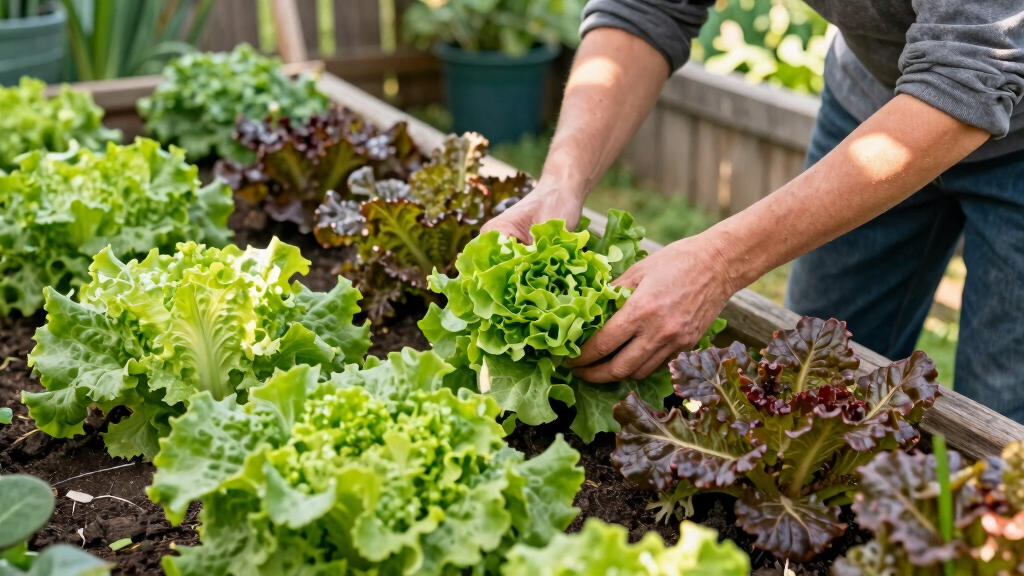
Agricultural experts have identified six lettuce varieties that resist heat stress, enabling gardeners to grow lettuce successfully during summer. This development offers a solution for year-round fresh produce in warmer climates.
Gardening experts have announced the availability of six heat-tolerant lettuce varieties designed to thrive during the hottest months of summer, helping gardeners sustain fresh lettuce supplies despite rising temperatures. This development offers a practical solution for home growers and commercial farmers facing climate challenges.
According to horticultural specialists, these six varieties—including ‘Heatwave Lettuce,’ ‘Summer Crisp,’ and ‘Tropic Green’—are bred specifically to resist bolting and heat stress. The varieties were tested across multiple climates, showing consistent growth during temperatures exceeding 85°F (29°C).
In addition to the varieties, experts recommend specific cultivation techniques such as shading, mulching, and adjusting watering schedules to further enhance heat tolerance. These methods aim to prevent premature flowering and maintain leaf quality throughout the season.
Growers and home gardeners can now select from these options to extend their lettuce harvests into the summer months, reducing reliance on imported greens and improving local food security.
Implications for Summer Vegetable Gardening
This development is significant because it addresses a key challenge faced by gardeners and farmers: maintaining leafy green production during increasingly hot summers. The availability of heat-tolerant varieties can lead to more sustainable and resilient local food systems, especially in regions experiencing climate change impacts.
By adopting these varieties and techniques, growers can reduce crop losses due to heat stress, improve yield consistency, and ensure a steady supply of fresh lettuce during peak growing seasons. This innovation could also influence commercial lettuce production strategies in warmer climates.
Products Worth Considering

EGO Power+ SNT2420 24-Inch Two-Stage Self-Propelled Snow Blower (Battery and Charger Not Included)

Solo Stove Basecamp 24-Inch Smokeless Wood-Burning Fire Pit with Stand

Rachio 3 Smart Sprinkler Controller, 8-Zone
As an affiliate, we earn on qualifying purchases.
Background on Heat-Resistant Lettuce Development
Traditionally, lettuce is sensitive to high temperatures, with many varieties bolting or becoming bitter when exposed to heat. Over recent years, plant breeders and researchers have focused on developing heat-tolerant strains to combat this issue.
Previous efforts included genetic research and selective breeding, resulting in some success but limited options for home gardeners. The latest release of six specific varieties marks a notable advancement, supported by recent field trials and expert validation.
“These heat-tolerant lettuce varieties are a game-changer for summer gardening, allowing consistent harvests even during peak temperatures.”
— Dr. Emily Carter, horticultural scientist
Remaining Questions About Long-Term Performance
While initial trials are promising, it is not yet clear how these heat-tolerant lettuce varieties will perform over multiple growing seasons or in different climate zones. Long-term durability, disease resistance, and flavor profiles require further evaluation.
Additionally, the availability of these varieties to all growers and potential regional adaptations are still being determined.
Next Steps for Growers and Researchers
Researchers plan to conduct extended field trials across diverse climates to assess long-term performance. Seed companies are expected to expand distribution channels for these varieties in the coming months.
Gardeners and farmers are encouraged to experiment with these options and share their results to help refine cultivation techniques and evaluate regional suitability.
Key Questions
Are these heat-tolerant lettuce varieties available commercially now?
Many of the varieties are currently available through select seed suppliers, with wider distribution expected in the upcoming growing season.
Can these varieties be grown in containers or only in garden beds?
Most heat-tolerant lettuce varieties can be successfully grown in containers, provided they receive adequate shade and watering during hot weather.
Do these varieties taste different from traditional lettuce?
Initial feedback suggests flavor is comparable, but taste can vary depending on cultivation conditions. Further taste testing is ongoing.
What other techniques can help lettuce survive summer heat?
Using shade cloths, mulching to retain soil moisture, and watering early in the day are recommended practices to support heat-tolerant varieties.
Source: rss