TL;DR
A Homes & Gardens report describes collecting seeds from native trees in November and preparing them for planting, often after soaking or cold stratification. The methods vary by species, and the article does not report a new study or guarantee that collected seeds will grow.
Homes & Gardens has published guidance on collecting seeds from native trees in November and preparing them to grow at home, a low-cost approach that can add trees for shade, privacy and wildlife habitat over time. The report covers seven species and says many seeds need soaking, drying or weeks of cold treatment before they are ready to sow.

Get garden gear delivered free with Prime
- Fast, free delivery on millions of items
- Prime Video, Amazon Music and more included
- Member-only deals all year
The report describes a process that begins with gathering mature seeds or nuts, then checking and preparing them according to the species. Some can be sown soon after collection, while others need cold stratification—a period of moist chilling that imitates winter conditions and helps end seed dormancy. The article recommends a seed-starting mix for seeds planted in containers and says the mix should drain well.
For American sycamore, the report advises drying mature seed balls, breaking them apart, soaking the seeds overnight and sowing them about a quarter-inch deep in moist potting mix. Sweetgum seed balls can be dried in a paper bag until the seeds rattle inside; the extracted seeds then need 30 to 60 days of cold stratification in a refrigerator before sowing.
For oaks, including northern red oak and white oak, the report recommends collecting fallen acorns rather than those still attached to a tree. It says to discard acorns that float in water, soak viable ones for up to 48 hours and chill them for six to eight weeks. American beechnuts can be soaked for at least 24 hours and either refrigerated for about 90 days or planted outdoors in pots for natural winter chilling. The report cautions that growing black walnut from seed is difficult; it also says to wear gloves when handling walnuts because their husks can stain skin and clothing.
A Low-Cost Route to More Trees
Growing trees from collected seeds can offer gardeners a way to raise trees without buying nursery-grown specimens, though it takes time, space and care. The trees described can become large, so their eventual size and planting location matter: the report says American sycamores can exceed 75 feet and American beeches can reach 80 feet or more in urban settings.
The potential benefits arrive over years, not weeks. Mature trees can provide shade and shelter, while nuts from beeches and other trees can serve as food for birds and wildlife. The report does not provide survival rates or evidence that every seed-raising attempt will succeed, so readers should treat the process as an experiment rather than a guaranteed source of free trees.
Species choice also affects what can grow nearby. The report warns that black walnut produces juglone, a natural substance it says can harm many sensitive plants within roughly 50 to 60 feet of the trunk. That makes placement relevant not only to the future tree but also to existing garden plants.
Products Worth Considering

Greenworks Pro 60V 21-Inch Push Lawn Mower with 5.0 Ah Battery and Charger

Greenworks 40V 16-Inch Push Lawn Mower with 4.0Ah Battery and Charger

Greenworks 80V 21-Inch Self-Propelled Lawn Mower with 4.0 Ah Battery and Charger
As an affiliate, we earn on qualifying purchases.
November Collection, Spring Sowing
The guidance is tied to the seasonal timing of seed collection. Fall is when many trees drop mature nuts and seeds, but collecting in November does not mean planting immediately. Several kinds need a chilling period before sowing, shifting the planting stage to late winter or early spring.
For example, the report says acorns collected and treated in November may be ready for containers in late winter or early spring. It suggests using an unheated greenhouse or cold frame for germination. Beechnuts can also be left outdoors in pots over winter to receive natural cold treatment; wire over the containers can deter rodents digging them up.
The source focuses on seven native trees, although the material provided gives detailed instructions for American sycamore, sweetgum, oaks, American beech and black walnut. Its advice is practical horticultural guidance, not a report of a new scientific finding. Local climate and the particular seed’s condition may affect results.
“Growing trees from seeds you’ve collected yourself is not only a fun gardening experiment, but a cost-effective way to grow new native specimens.”
— Homes & Gardens report
Seed Success Depends on Conditions
The report does not give germination or survival rates, identify a single best method for every local climate, or say how long each seedling will take to become a mature shade tree. Seed viability is not guaranteed; the article advises collecting more black walnuts than needed and testing some seeds by soaking them, but that test alone does not establish how many will successfully grow.
Its title refers to seven tree seeds, but the supplied material includes detailed preparation instructions for five groups: sycamore, sweetgum, oaks, beech and black walnut. The remaining two species and their directions are not specified in the material provided. Readers should also check local guidance before collecting seeds, since rules and conditions can vary by location.
Prepare Seeds for Late Winter
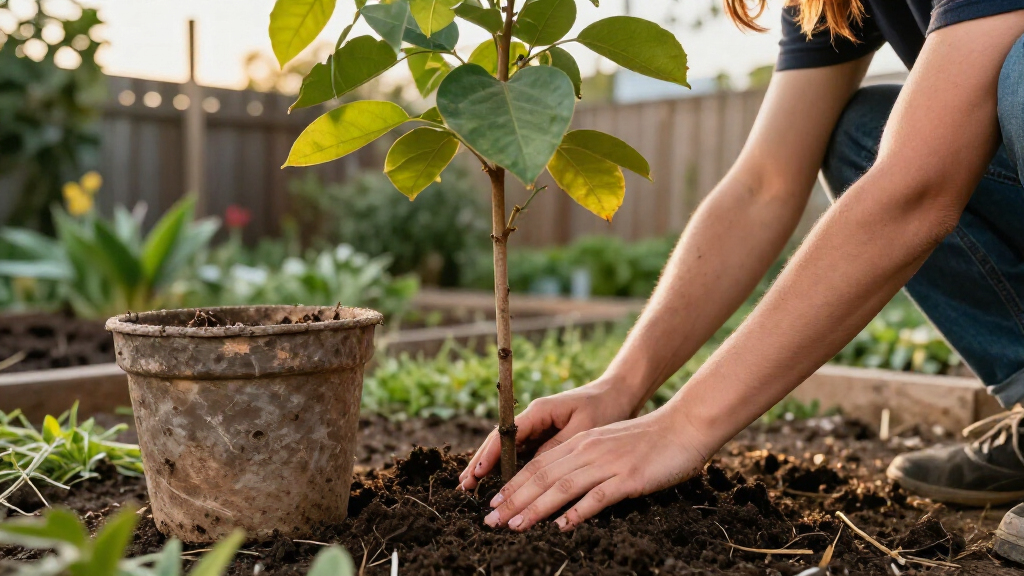
For gardeners following the report, the immediate steps are to identify a suitable local tree, collect mature seeds, label each batch and follow the treatment appropriate to that species. Seeds requiring chilling should be kept under the recommended conditions, then sown in containers with a well-draining seed-starting mix when their preparation period is complete.
After sowing, growers will need to monitor moisture and protect containers from animals where needed. Any young tree should be planted only after considering its mature size and the plants around it, particularly in the case of black walnut. The source offers no later update on outcomes, so whether an individual batch germinates will become clear only after planting and growth.
Key Questions
Can native tree seeds be planted as soon as they are collected?
Not always. The Homes & Gardens report says some seeds can be sown straight away, but many need drying, soaking or cold stratification first. The preparation depends on the tree species.
How long do sweetgum seeds need to be chilled?
The report recommends 30 to 60 days of cold stratification after the seeds are removed from dried seed balls.
How can gardeners check whether acorns are viable?
The article advises putting collected acorns in water and using those that sink. It also recommends soaking them for up to 48 hours and chilling them for six to eight weeks before sowing.
Is black walnut easy to grow from seed?
No. The report describes the process as difficult and says viability is not guaranteed. It advises wearing gloves because walnut husks can stain skin and clothing.
What should gardeners know before planting a black walnut?
The report says black walnut produces juglone, which can harm many sensitive plants within about 50 to 60 feet of the trunk. Gardeners should account for that potential effect when choosing a planting site.
Source: homesandgardens.com