TL;DR
A Country Living report describes making a Thanksgiving centerpiece with late-autumn materials gathered from a home garden. It recommends collecting varied foliage, seedheads and branches, pruning shrubs sparingly, and arranging the finds in a container a day or two before the holiday.
Country Living has published a guide to making a Thanksgiving centerpiece from flowers, foliage, seedheads and branches gathered in a home garden. The approach offers an alternative to buying a floral arrangement and uses the muted colors and textures of late autumn, though the results depend on what remains in season locally.

Get garden gear delivered free with Prime
- Fast, free delivery on millions of items
- Prime Video, Amazon Music and more included
- Member-only deals all year
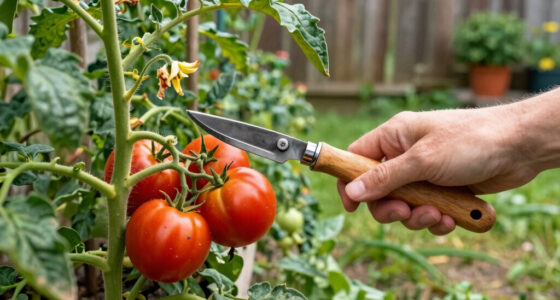
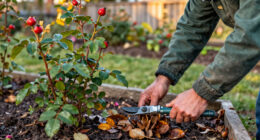
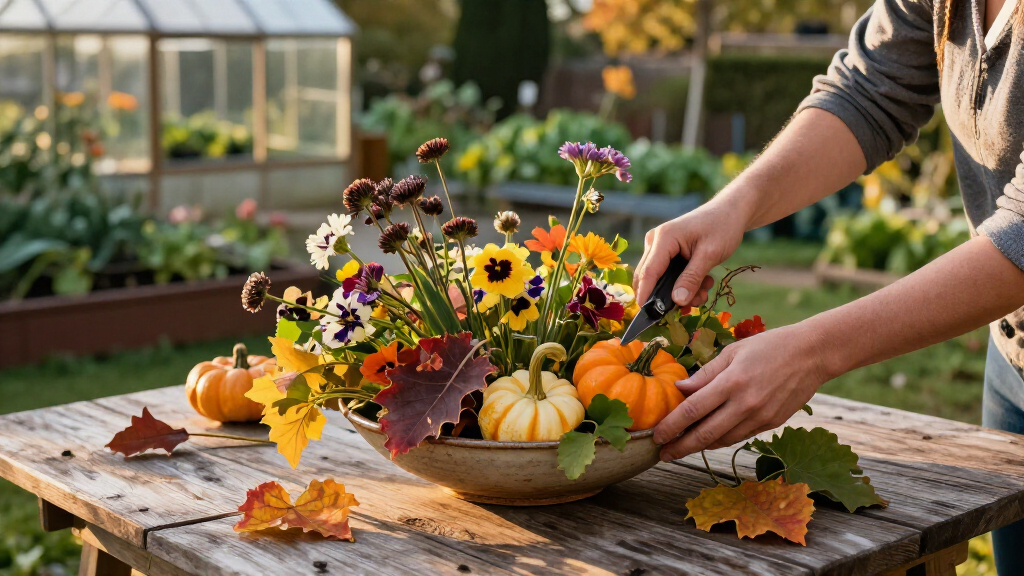
The guide recommends taking garden snips or kitchen shears, gloves and a basket outdoors, then collecting more material than the arrangement is likely to need. It suggests looking beyond flowering plants: annuals, perennials, shrubs, trees and culinary herbs can all contribute. Grasses, dried perennial seedheads, hydrangea flowers and foliage that has turned yellow, pink or burgundy are among the possibilities.
Availability varies by climate and exposure. The report says warmer regions may still have flowers in bloom, while sheltered places near a house can preserve plants after a freeze or snowfall. If a garden offers little to gather, the guide suggests asking a neighbor before taking clippings. It also advises making the display a day or two before Thanksgiving so it remains fresh for the meal.
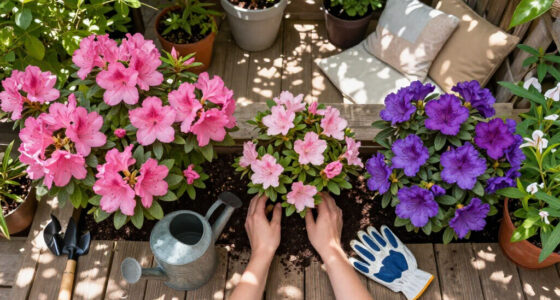
Once indoors, sort the harvest into piles by color or material to see what works together. Baskets, jars, old serving pieces and other containers can serve as vessels; several small glasses or cups can make individual table arrangements. For a larger display, the guide describes building a loose bouquet in hand, grouping several pieces of the same material, adding the tallest elements first and placing shorter pieces toward the outside. Sticks or other upright branches can add height.
A Seasonal Alternative to Store-Bought Flowers
The advice gives hosts a way to make a table decoration from materials already on hand, potentially avoiding a flower purchase. It also makes the display responsive to local conditions: a garden in one region may still have flowers, while another may offer mostly dried seedheads, evergreen branches or colored leaves.
The guidance is practical rather than a guarantee of savings or longevity. The source does not compare costs with purchased arrangements or test how long particular materials last indoors. Its central point is that varied shapes and subdued autumn colors can form a centerpiece without a formal bouquet or a fixed recipe.
Products Worth Considering

Solo Stove Pi Prime Portable Propane Pizza Oven

Orbit B-hyve XR 8-Zone Indoor/Outdoor Smart Sprinkler Controller
Orbit B-hyve XR 16-Zone Indoor/Outdoor Smart Sprinkler Controller
As an affiliate, we earn on qualifying purchases.
What Late-Autumn Gardens Offer
Thanksgiving falls late in the growing season in many parts of the United States. The report contrasts autumn’s muted hues and remaining textures with the bright flowers common in spring and summer, noting that some perennials retain tinted foliage and some shrubs hold dried blooms into fall.
Its examples include dried hydrangea flowers, boxwood and red-twig dogwood branches, as well as weigela and ninebark foliage. These are suggestions, not a checklist: the guide says to work with what is available and to inspect sheltered spots, where plants may last longer. The source also cautions that shrubs should be cut selectively, particularly those whose flowers form on older wood.
““You don’t need a plan yet. Just collect your materials.””
— Arricca Elin Sansone, Country Living
Local Conditions Shape the Harvest
What will be available depends on location, weather and garden exposure; the report does not provide a region-by-region list or guarantee that any named plant will still look good after cutting. It also does not specify how long individual materials will last indoors, or provide a cost comparison with store-bought flowers.
Pruning needs care because cutting branches can affect a shrub’s future flowering. The guide distinguishes hydrangeas that bloom on old wood from those that bloom on new wood, but readers should identify their plants before taking substantial clippings. The source does not address local rules for collecting material from public land, so its suggestions concern a home garden or a neighbor’s yard with permission.
Gather and Arrange Before Thanksgiving
The guide’s next step for readers is to inspect their gardens, gather suitable materials and arrange them indoors one or two days before the holiday. It recommends pruning shrubs lightly and choosing a container before assembling the display. The finished arrangement can then be adjusted with extra foliage or branches where it looks sparse.
No follow-up research, product test or additional event is announced in the source. The practical outcome will depend on each garden’s available plants and how well the cut materials hold up indoors.
Key Questions
What can I use in a garden-made Thanksgiving centerpiece?
Use what is available in your garden, such as foliage, grasses, dried seedheads, shrub flowers and branches. The source also lists hydrangeas, boxwood, red-twig dogwood, weigela and ninebark as possible materials.
When should I make the arrangement?
The guide recommends assembling it a day or two before Thanksgiving so the materials are more likely to look good for the meal.
Do I need a vase or formal floral-design skills?
No. The report suggests using containers such as baskets, jars, serving pieces or small cups. It recommends building a loose arrangement by adding taller pieces first and filling around them, without treating a formal formula as necessary.
How much should I prune from shrubs?
Prune sparingly, especially when you are unsure how the shrub flowers. The source advises taking only a few pieces from shrubs that bloom on old wood and avoiding large cuts that could affect next year’s flowers.
Source: countryliving.com