
TL;DR

Get garden gear delivered free with Prime
- Fast, free delivery on millions of items
- Prime Video, Amazon Music and more included
- Member-only deals all year
Gardeners can confuse June bugs with Japanese beetles, but there are specific ways to identify them. Correct identification helps in managing potential damage to plants. Experts advise on key differences and ongoing research.
Gardeners often mistake June bugs for Japanese beetles, but experts confirm there are clear physical differences that can help prevent misidentification and subsequent plant damage.
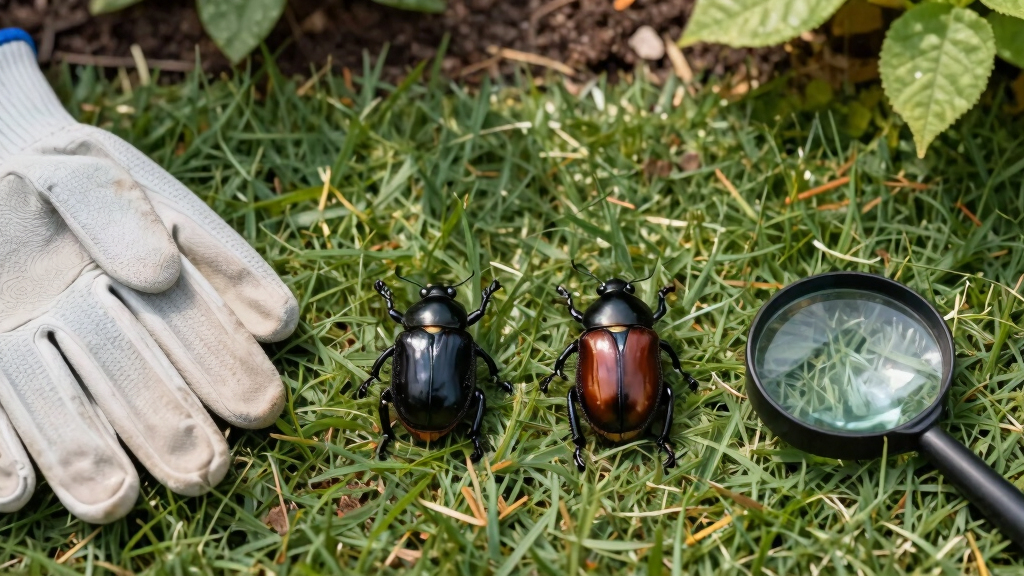
According to entomologists, June bugs and Japanese beetles are two common summer pests that can cause significant harm to gardens. June bugs, also known as June beetles, are generally larger, with a more robust, brownish body and a less metallic sheen. In contrast, Japanese beetles are smaller, about 1/2 inch long, with distinctive metallic green bodies and copper-colored wings. Identification is crucial because management strategies differ; Japanese beetles are more aggressive feeders and can quickly defoliate plants if unchecked.
Experts emphasize that the appearance of these insects varies slightly depending on the region, but the key visual cues remain consistent. June bugs are mostly nocturnal and tend to be less aggressive feeders, while Japanese beetles are active during the day and are known for their voracious appetite for a wide range of plants, including roses, grapes, and fruit trees.
Why Correct Identification Matters for Garden Health
Properly distinguishing between June bugs and Japanese beetles helps gardeners apply targeted control measures, reducing unnecessary pesticide use and protecting beneficial insects. Japanese beetles, being more destructive, may require specific interventions such as traps or insecticides, while June bugs often pose less threat and may not need immediate action. Misidentification can lead to ineffective control efforts, increasing damage and costs. Accurate identification also informs integrated pest management practices, promoting sustainable gardening.
As an affiliate, we earn on qualifying purchases.
Summer Pest Activity and Identification Challenges
Both June bugs and Japanese beetles emerge during the warm months, typically from late spring to early fall. June bugs are among the first to appear, often in large numbers, and are primarily active at night. Japanese beetles tend to peak in mid to late summer, with adult beetles actively feeding during daylight hours. Historically, gardeners have struggled to tell these pests apart, leading to confusion and mismanagement. Recent educational campaigns aim to improve identification skills, as misidentification can impact control success and environmental health.
“Understanding the physical differences between June bugs and Japanese beetles is essential for effective pest management. Recognizing size, coloration, and activity patterns can make a significant difference.”
— Dr. Emily Carter, entomologist at State University
As an affiliate, we earn on qualifying purchases.
What Aspects of Identification Still Need Clarification
While physical characteristics are generally reliable, some regional variations and immature stages can cause confusion. It is not yet clear if new hybrid forms or environmental factors alter appearance significantly. Ongoing research aims to refine identification tools, including potential use of smartphone apps or genetic testing, but these are not yet widely available or validated for everyday gardening use.
As an affiliate, we earn on qualifying purchases.
Future Steps in Pest Identification and Management
Researchers plan to develop more accessible identification guides and digital tools to assist gardeners. Extension services and gardening centers are expected to increase educational outreach during peak season. Additionally, ongoing studies may lead to improved biological control options that target specific pests without harming beneficial insects. Gardeners are advised to stay informed through local extension offices and trusted online resources for updates on pest management strategies.
As an affiliate, we earn on qualifying purchases.
Key Questions
How can I tell if a beetle is a June bug or a Japanese beetle?
Look for size, coloration, and activity patterns. June bugs are larger, brownish, and mostly nocturnal. Japanese beetles are smaller, metallic green with copper wings, and active during the day.
Are June bugs harmful to my garden?
June bugs generally cause minimal damage, mainly by feeding on roots and decaying organic matter. They are not considered major pests.
What should I do if I find Japanese beetles in my garden?
Early intervention is key. Use traps, handpick beetles, or apply insecticides if necessary, following label instructions. Consult local extension services for recommended practices.
Can I prevent these beetles from appearing in my garden?
While complete prevention is difficult, maintaining healthy plants, removing beetle attractants, and using barriers can reduce their presence.
Source: rss
Halloween Picks
halloween
As an affiliate, we earn on qualifying purchases.