
TL;DR
An Ideal Home report highlights braided Sansevieria cylindrica as a low-maintenance houseplant suited to autumn and winter conditions. Experts quoted in the report say snake plants are known to help purify indoor air, but it provides no measurements showing how much a plant improves air quality in a home.
Ideal Home is recommending braided Sansevieria cylindrica, a sculptural form of snake plant, as an autumn houseplant that can tolerate low-light rooms and needs little attention. The report also describes snake plants as air-purifying, but offers no measurements or evidence of the size of any air-quality benefit in a typical home.

Get garden gear delivered free with Prime
- Fast, free delivery on millions of items
- Prime Video, Amazon Music and more included
- Member-only deals all year
The braided plant is made by plaiting the upright, cylindrical leaves of Sansevieria cylindrica, also called a snake plant or mother-in-law’s tongue. The report describes the braided form as an architectural variation on the familiar plant, with an upright shape that can suit smaller rooms and corners. It cites Thompson & Morgan as a retailer offering the variety.
Morag Hill, co-founder of The Little Botanical, recommended Sansevieria as her preferred air-purifying houseplant. She said the plants are “known to help purify the air around you in your home.” That is an attributed description, not a measured result in the article: the report does not identify pollutants tested, state how many plants would be needed, or quantify any change in indoor air.
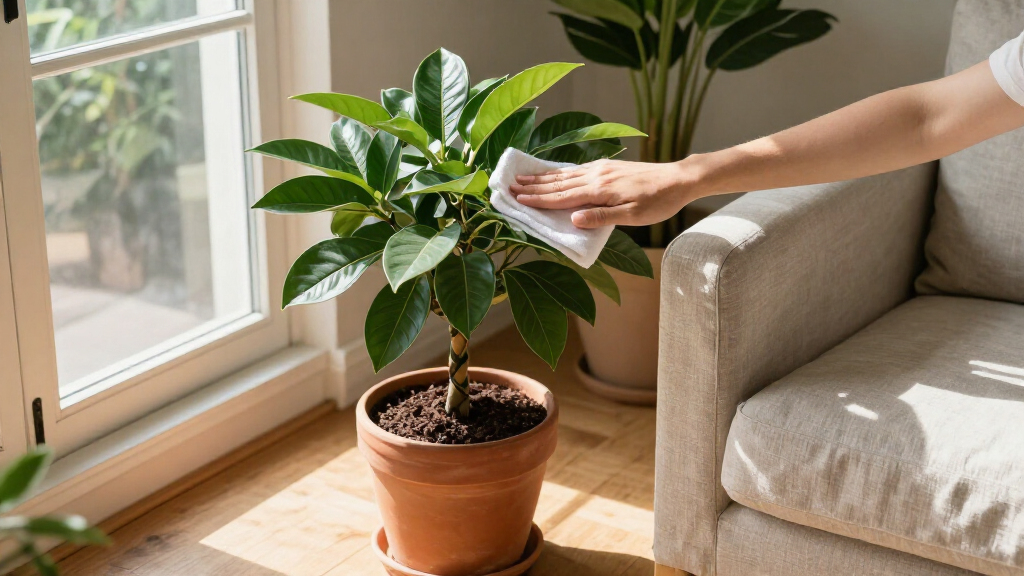
Andy Little, houseplant buyer at British Garden Centres, said braided snake plants are suitable for autumn and winter because they do not require high humidity, bright light or constant care. His guidance is to keep one in bright, indirect light when possible, away from cold draughts and hot radiators. The report advises against overwatering, says feeding can wait until spring, and recommends wiping dust from the leaves occasionally.
A Low-Maintenance Plant, Not an Air Filter
The plant’s clearest practical appeal in the report is its tolerance of less-bright indoor conditions and relatively simple care. Those features may make it an accessible choice for people seeking greenery in a home during shorter autumn and winter days. Its braided shape also offers a distinct decorative option without changing the basic care advice for snake plants.
The air-cleaning wording needs more qualification. Hill’s statement is an expert’s description of what snake plants are known for; the report supplies no test results or comparison with ventilation or other ways of improving indoor air. Readers should not treat a braided plant as a substitute for addressing an indoor pollution source or bringing in fresh air. Its demonstrated value in this report is chiefly decorative and horticultural, while the scale of any air-quality effect remains unspecified.
Products Worth Considering

Palram Canopia Mythos 6' x 8' Polycarbonate Greenhouse, Silver

EGO Power+ 21 Cordless Electric Lawn Mower Kit, Self-Propelled (LM2135SP)

EGO POWER+ LM2114 21-Inch Cordless Electric Lawn Mower with Battery and Charger
As an affiliate, we earn on qualifying purchases.
How the Braided Variety Fits Autumn
The Ideal Home article presents the plant as a seasonal recommendation rather than a report of new scientific findings. Its timing reflects a common indoor gardening concern: rooms can receive less natural light in autumn, and some houseplants require more humidity or frequent attention than others. Hill said snake plants can be placed in low-light areas, while Little recommended bright, indirect light where available. These points describe tolerance, not a claim that darkness is ideal for growth.
The report also says the plant’s firm, upright leaves can collect dust. That practical observation is separate from its broader air-purifying claim: dust on leaves can be wiped away, but the source does not establish that leaf dust collection produces a measurable improvement in room air. Its other care suggestions include using well-draining soil, such as a gritty cactus or succulent mix, and choosing a suitable pot. The recommendations are general advice from the cited article, not a controlled comparison of products or growing conditions.
““We’d suggest a Sansevieria, otherwise known as Mother in Law’s Tongue or Snake Plant.””
— Morag Hill, co-founder of The Little Botanical
Air-Cleaning Effect Is Unquantified
The report gives no measurements of indoor pollutants, air-quality changes, or the number of plants required to produce an effect. It does not cite a study or explain what “purify” means in this case. The claim that snake plants help clean household air is attributed to Hill, but the size and practical significance of that effect remain unclear from the source.
The article also does not give detailed instructions for braiding or say how the plant was shaped before sale. Its care guidance is broad, and actual growth will depend on conditions in a particular home. The source does not assess potential risks to children or pets.
Care Through the Colder Months
For readers considering the plant, the next step is to choose a location with bright, indirect light if available, while avoiding cold draughts and hot radiators. Water sparingly rather than keeping the soil wet, use a potting mix that drains well, and wipe dust from the leaves when needed. Little’s advice, as reported by Ideal Home, is to hold off on feeding until spring.
The source offers no further testing or follow-up on air quality, so the claim’s household impact remains open. Readers seeking cleaner indoor air should not rely on the plant alone: the report does not establish it as a replacement for ventilation or for dealing directly with sources of indoor pollution. Its immediate, well-supported appeal in the article is an unusual braided form paired with straightforward seasonal care.
Key Questions
What is a braided snake plant?
It is a form of Sansevieria cylindrica whose upright leaves have been plaited into a braided shape. The report presents it as a decorative variation on the snake plant.
Does a braided snake plant clean indoor air?
Morag Hill of The Little Botanical says snake plants are known to help purify indoor air. However, the Ideal Home report provides no measurements or evidence quantifying the effect, so it is not possible to tell from this source how much air quality might change.
How should I care for one in autumn and winter?
Keep it in bright, indirect light where possible, away from cold draughts and hot radiators. Avoid overwatering, use well-draining soil, wipe dust from the leaves occasionally, and, according to the report, wait until spring to feed it.
Can it go in a low-light room?
The experts quoted by Ideal Home say snake plants tolerate low-light spaces. The report also says they prefer a bright room, so low light is described as workable rather than ideal.
Source: idealhome.co.uk