TL;DR

Get garden gear delivered free with Prime
- Fast, free delivery on millions of items
- Prime Video, Amazon Music and more included
- Member-only deals all year
Five fast-growing plants can hide air conditioning units and reduce noise naturally. These plants grow quickly, enhance curb appeal, and do not block airflow, making them ideal for homeowners seeking aesthetic solutions.
Five fast-growing plants have gained popularity for their ability to effectively conceal air conditioning units and reduce noise, offering homeowners an attractive and functional landscaping solution. These plants grow quickly, do not block airflow, and enhance curb appeal, according to recent gardening reports. You can learn how to propagate them easily.
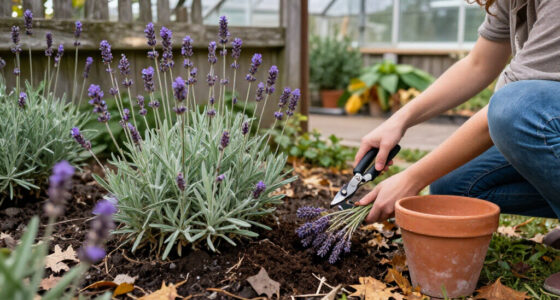
The plants identified include **Bamboo**, **Arborvitae**, **Hedge Maple**, **Clumping Grasses**, and **Vine Maple**. Experts say these species grow rapidly, often reaching full height within a few years, making them suitable for quick landscaping improvements. Take cuttings from these plants to expand your garden quickly.
According to horticulturists, these plants are capable of reducing noise levels by acting as natural sound barriers. Unlike solid fences, they allow air to circulate freely around the AC units, preventing overheating and maintaining efficiency. Garden designers emphasize that these plants can be tailored to fit different aesthetic preferences, from lush privacy screens to ornamental accents.
While these plants are effective at hiding AC units and dampening sound, their success depends on proper placement and maintenance. Experts advise planting them at appropriate distances to ensure airflow is not obstructed and regular pruning to sustain growth and health. For more tips, see our guide on taking cuttings from plants.
Why Using Fast-Growing Plants for AC Concealment Matters
This trend matters because it offers homeowners a natural, cost-effective way to improve their property’s appearance and comfort. By choosing plants that grow quickly and serve dual purposes, residents can avoid unsightly equipment and reduce noise pollution, which is especially beneficial in densely populated or urban areas. Additionally, these plants support environmental benefits such as increased greenery and biodiversity, contributing to sustainable landscaping practices.
Products Worth Considering

Solo Stove 52.6 Fire Pit Surround – Protective Barrier & Outdoor Tabletop

Orbit B-hyve Smart Indoor/Outdoor 12-Zone Sprinkler Controller

Orbit B-hyve XR 16-Zone Indoor/Outdoor Smart Sprinkler Controller
As an affiliate, we earn on qualifying purchases.
Historical Use of Plants for Concealment and Noise Reduction
Using plants to hide utility equipment is a longstanding practice, but recent advancements focus on selecting species that grow rapidly and provide additional benefits like noise reduction. Past efforts often relied on static fences or slow-growing shrubs, which required frequent replacement or maintenance. The current trend emphasizes fast-growing, low-maintenance species that can be integrated into modern landscaping. Experts note that this approach aligns with broader efforts to incorporate natural elements into urban and suburban environments, balancing aesthetics with functionality.
“These plants not only conceal the AC units effectively but also act as natural sound barriers, making outdoor spaces more pleasant and visually appealing.”
— Jane Miller, horticulturist at GreenScape Gardens
Unanswered Questions About Long-Term Maintenance and Effectiveness
While initial reports are positive, it is still unclear how these plants perform over the long term in different climates and soil conditions. There is also limited data on their durability during extreme weather events and their impact on AC efficiency over several years. Further research is needed to establish standardized planting guidelines and maintenance protocols to maximize benefits.
Next Steps in Research and Adoption of Plant-Based Concealment Solutions
Researchers and landscapers plan to conduct longitudinal studies to evaluate the long-term performance of these plants in various environments. Additionally, nurseries and garden centers are expected to develop tailored planting kits and maintenance advice to help homeowners implement these solutions effectively. As awareness grows, more communities may adopt plant-based concealment methods for utility equipment, blending functionality with natural beauty.
Key Questions
Are these plants suitable for all climates?
Most of the identified plants are adaptable to a range of climates, but specific suitability depends on local conditions. Consulting local gardening experts is recommended to determine the best species for a particular area.
Do these plants require special maintenance?
While generally low-maintenance, these plants need regular pruning and watering, especially during their initial growth phase. Proper care ensures they grow healthily and continue to serve their purpose effectively.
Will these plants block airflow to the AC units?
No, if properly planted and maintained at appropriate distances, these plants allow air to circulate freely, preventing overheating and preserving AC efficiency.
How quickly do these plants grow?
Many of these species can reach full height within two to three years, making them suitable for rapid landscaping improvements.
Can these plants be used for other landscaping purposes?
Yes, these plants are versatile and can be incorporated into privacy screens, ornamental gardens, or natural sound barriers in various settings.
Source: rss