
If your hot tub quickly becomes uncomfortable, poor insulation, seating, and surface materials are likely culprits. Without proper insulation, heat escapes fast, making you shiver and increasing energy costs. Uncomfortable or poorly designed seats cause fatigue, while rough or cold surfaces make entering and exiting unpleasant. These issues turn your relaxing oasis into a source of frustration. To improve comfort and enjoyment, addressing these elements is key—there’s more to uncover that can help transform your hot tub experience.

Get garden gear delivered free with Prime
- Fast, free delivery on millions of items
- Prime Video, Amazon Music and more included
- Member-only deals all year
Key Takeaways
- Poor insulation causes rapid heat loss, making users feel cold and uncomfortable quickly.
- Uncomfortable, hard, or uneven seating leads to quick fatigue and discomfort during use.
- Cold, rough surfaces upon entry or exit reduce overall comfort and increase discomfort.
- Slippery or unsafe surroundings heighten risk of accidents, diminishing relaxation.
- Inadequate or uneven layout can cause instability, making users feel insecure and hurried.
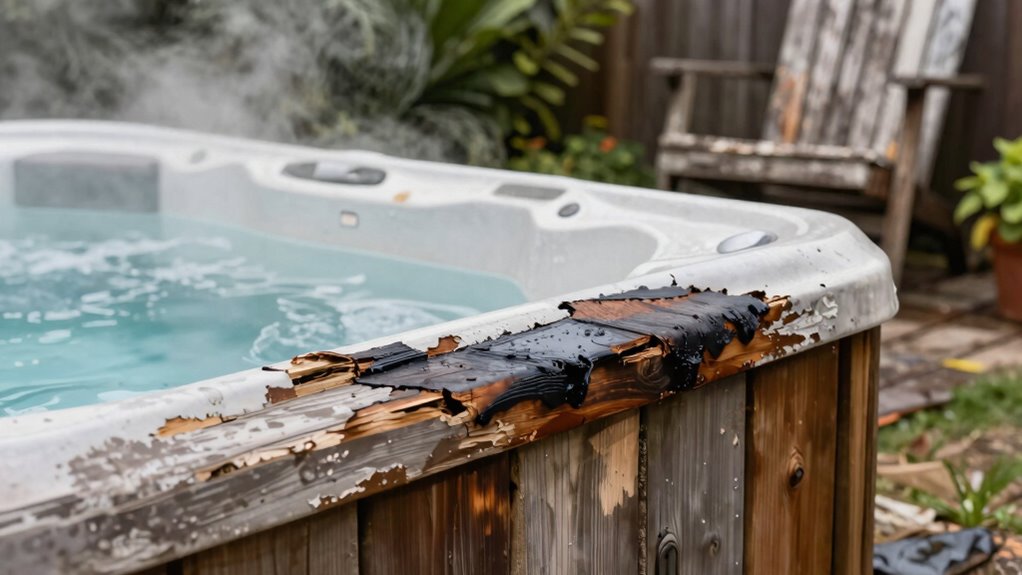
Hot tubs offer a relaxing escape, but comfort problems around them can quickly ruin the experience. One of the first issues you might notice is how quickly the heat escapes if the hot tub isn’t properly insulated. Poor hot tub insulation means your tub loses warmth faster, forcing you to crank up the heater and increasing energy costs. If you’re not paying attention to this, you might find yourself shivering even after just a few minutes in the water, which defeats the purpose of unwinding. To avoid this, assure your hot tub has adequate insulation around the shell, skirting, and equipment compartment. High-quality insulation keeps the heat locked in, so you stay warm longer without wasting energy.
Another common comfort problem stems from seating ergonomics. When you settle into your hot tub, you want the seats to support your body comfortably, but many hot tubs come with poorly designed or uneven seating. If the seats are too hard, too shallow, or lack proper contouring, you’ll find yourself adjusting constantly or feeling tense after a short soak. It’s essential to choose a hot tub with well-designed seats that conform to your body, providing support for your back, neck, and legs. Proper seating ergonomics also help prevent fatigue and discomfort, letting you relax fully. If your current hot tub doesn’t offer this, consider adding cushions or upgrading to a model with ergonomic seating.
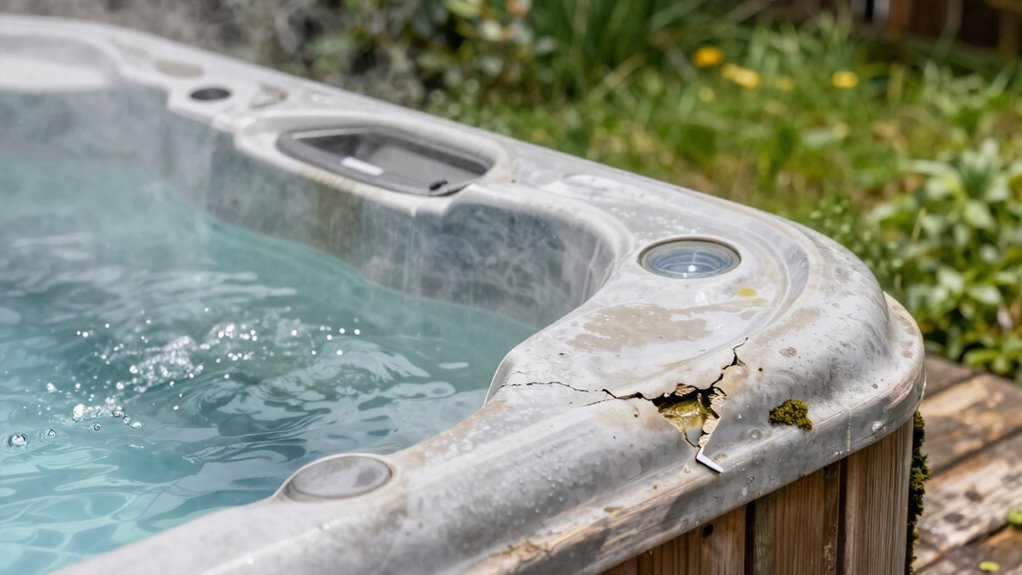
Beyond these issues, the overall layout and materials used in the hot tub play a role in comfort. For example, some hot tubs use rough or cold surfaces that make entry and exit uncomfortable. Upgrading to a hot tub with smooth, warm surfaces can make a big difference. Additionally, the way the hot tub is insulated and designed impacts how evenly heated the water remains, affecting comfort during your soak.
Lastly, don’t forget about the surrounding area. An uneven or unpaved surface can make getting in and out awkward or even unsafe, especially if you’re carrying drinks or trying to avoid slipping. A well-designed deck or platform improves the experience and makes the hot tub more inviting.
In the end, addressing hot tub insulation and seating ergonomics right from the start ensures you get the most out of your relaxation time. When these elements are properly considered, your hot tub becomes a true oasis of comfort, not a source of frustration.
As an affiliate, we earn on qualifying purchases.
Frequently Asked Questions
How Can I Prevent Slipping Around My Hot Tub?
To prevent slipping around your hot tub, prioritize hot tub safety by installing slip-resistant mats on the deck and steps. These mats provide traction even when wet, reducing the risk of falls. Always walk carefully, especially after exiting the hot tub when your skin is wet. Keep the area clean and dry, and consider adding handrails for extra support. These steps help you enjoy your hot tub safely and comfortably.
What Materials Are Best for Comfortable Hot Tub Seating?
You should choose materials like acrylic or composite for hot tub seating, as they offer excellent material durability and resist moisture and UV damage. Foam padding topped with waterproof cushions enhances seating ergonomics, providing comfort even after hours of soaking. Nearly 80% of hot tub users favor these materials because they balance long-lasting performance with cozy support, ensuring your experience remains relaxing and comfortable every time you step in.
How Does Weather Affect Hot Tub Comfort?
Weather impact considerably affects your hot tub comfort, especially with temperature control. Cold weather makes it harder to maintain a warm, inviting water temperature, so you might feel chilly faster. Hot, humid weather can cause discomfort, making you sweat and lose relaxation. To stay comfortable, use a sturdy cover, insulated sides, and adjustable temperature controls. Proper planning ensures you enjoy your hot tub regardless of weather conditions, keeping your experience enjoyable and relaxing.
Can I Add Cushions to Improve Hot Tub Seating?
Absolutely, you can add cushions to boost your hot tub seating comfort—think of it as upgrading your throne with cozy seat cushioning. Hot tub accessories like waterproof cushions are designed to withstand moisture and heat, making your experience more enjoyable. Just verify they’re specifically made for hot tubs, so they stay in place and last longer. Adding cushions transforms your soak into a luxurious, relaxing escape, even during the busiest days.
What Are Quick Fixes for Uncomfortable Hot Tub Edges?
To fix uncomfortable hot tub edges quickly, add edge padding made from foam or waterproof cushions to soften the contact points. Check your hot tub insulation to make sure it’s intact, as poor insulation can cause discomfort from temperature fluctuations. These simple solutions improve your comfort instantly, preventing soreness or irritation. Regularly inspect and maintain both insulation and padding to keep your hot tub experience cozy and enjoyable.
As an affiliate, we earn on qualifying purchases.
Conclusion
So, next time you’re soaking in your hot tub, ask yourself—are you truly comfortable? Addressing those common comfort issues, like uneven surfaces or inadequate support, can make all the difference. Don’t let discomfort ruin your relaxing experience. Instead, take simple steps to enhance your hot tub area. After all, isn’t relaxation worth the effort? By tackling these problems early, you’ll enjoy more soothing, stress-free moments every time you dip in.
As an affiliate, we earn on qualifying purchases.
As an affiliate, we earn on qualifying purchases.
Fall yard work Picks
leaf blowers
As an affiliate, we earn on qualifying purchases.