To keep your outdoor cooking area smoke-free, position fans behind or next to your grill to direct smoke away from seating areas. Use exhaust vents or hoods to capture rising smoke and consider oscillating or ceiling fans to improve air circulation. Choose outdoor-rated fans with adjustable speeds for better control. Proper placement and balancing airflow will make your space more comfortable and inviting—stay tuned to discover more tips for creating an effective smoke-free environment.
Key Takeaways
- Position exhaust fans above or beside the grill to effectively capture rising smoke and prevent it from spreading.
- Use strategically placed fans behind or near cooking zones, facing the smoke’s direction for optimal removal.
- Incorporate adjustable, weather-resistant fans that match the airflow needs without creating drafts or discomfort.
- Combine exhaust vents with fans to create a comprehensive ventilation system that directs smoke away from seating areas.
- Ensure proper installation and aesthetic integration of fans to maintain safety, durability, and visual appeal in outdoor spaces.
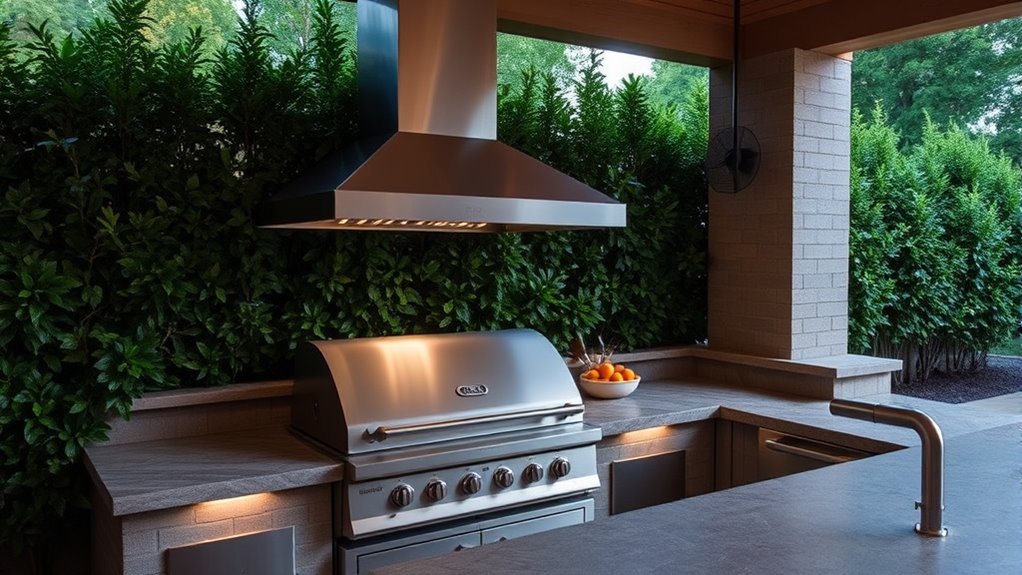
Creating a comfortable outdoor cooking space often means addressing smoke, heat, and lingering odors. When you’re grilling or barbecuing, smoke can drift into seating areas, making the experience less enjoyable and potentially uncomfortable for you and your guests. That’s where thoughtful ventilation design and strategic fan placement come into play. To effectively reduce smoke and improve airflow, you need to consider how your ventilation system works and where your fans are positioned.
Start by analyzing your outdoor layout. Identify the prevailing wind direction and how smoke tends to travel when you’re cooking. This will help you plan where to place fans for maximum efficiency. Proper ventilation design isn’t just about installing a fan; it’s about creating a system that directs smoke away from seating, cooking zones, and pathways. When designing your ventilation, consider incorporating a combination of exhaust hoods or vents that can capture rising smoke and fans that push air in the right direction. This setup prevents smoke from settling in undesired areas and helps maintain fresh air circulation.
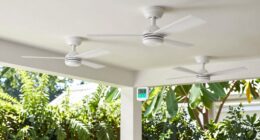
Fan placement is vital. You want fans positioned so they actively draw smoke upward and away from the cook station and seating areas. Typically, placing fans behind or beside your grill works best, especially if you position them to face the direction of the smoke’s movement. If you have a covered outdoor kitchen, installing exhaust fans above your grill can directly capture smoke before it disperses. For open spaces, oscillating or ceiling fans placed strategically around the cooking area can help redirect smoke and improve airflow, ensuring it doesn’t linger or drift into your lounging space.
Additionally, consider the power and size of your fans. A fan that’s too small won’t move enough air, while an overly powerful one might create unwanted drafts. Balance is key. You want enough airflow to clear smoke efficiently without causing discomfort or disturbing the cooking process. Automated fans with adjustable speeds give you more control, allowing you to respond quickly to different cooking conditions. When choosing fans, it’s also beneficial to select models that are vetted for outdoor use, ensuring durability and safety in your environment.
Finally, don’t forget about aesthetics and safety. Fans should be weather-resistant and installed securely, blending seamlessly into your outdoor space. Proper ventilation design combined with well-placed fans will not only minimize smoke but also enhance comfort and safety during outdoor cooking. When executed thoughtfully, your outdoor kitchen becomes a more inviting, smoke-free environment where you can enjoy grilling without the usual haze and odors.
Frequently Asked Questions
What Types of Fans Are Best for Outdoor Kitchens?
When choosing fans for outdoor kitchens, you want to think about exhaust fan placement to maximize smoke and odor removal. Opt for fans with low noise levels so they don’t disrupt your cooking or socializing. Look for weather-resistant models designed for outdoor use, and position them strategically to create effective airflow. This way, you keep your space comfortable and smoke-free without sacrificing comfort or functionality.
How Do I Prevent Fans From Attracting Pests?
Like guarding a castle gate, you need pest deterrent strategies to keep bugs at bay. To prevent fans from attracting pests, position them carefully, avoiding areas where bugs gather. Use fan placement tips such as installing screens or fans with built-in shields, and consider adding citronella or other natural repellents nearby. Regular maintenance also helps, ensuring pests don’t settle around your outdoor space, keeping your cooking area pest-free and enjoyable.
Can Fans Be Installed on Existing Outdoor Structures?
You can definitely install fans on existing outdoor structures. Focus on proper fan placement to maximize airflow and minimize pests, choosing suitable outdoor fan types like damp-rated or outdoor oscillating fans. Measure your space carefully, and consider mounting options that suit your structure. With the right placement and fan type, you’ll improve air circulation and comfort without extensive renovations, making outdoor areas more enjoyable year-round.
Are There Weather-Resistant Fan Options for Outdoor Use?
Did you know that over 80% of outdoor spaces now include a patio fan for comfort? When choosing a weather-resistant outdoor exhaust fan, look for those rated for wet or damp environments. These patio fans are specifically designed to withstand rain, humidity, and outdoor elements, ensuring safe, long-lasting use. With the right outdoor exhaust, you can enjoy fresh air while keeping smoke and heat away, no matter the weather.
How Much Ventilation Is Needed for Different Cooking Methods?
You need to contemplate ventilation requirements based on your cooking method. For grilling or barbecuing, you should have ample airflow to disperse smoke and fumes, typically requiring a combination of fans and open space. For lighter cooking, like sautéing or warming, less ventilation suffices. Always monitor smoke levels and adjust fan placement accordingly, ensuring safe and comfortable outdoor cooking without smoke buildup.
Conclusion
Now, as you enjoy your perfectly ventilated outdoor cooking space, it’s funny how a simple fan can make all the difference—just like that unexpected breeze on a hot day. When you combine thoughtful fan placement with your favorite recipes, you’ll find that smoke becomes a minor detail. So, next time you cook outside, remember that a well-integrated fan isn’t just about ventilation; it’s about making every moment more enjoyable—just like that perfect sunset coincidentally aligning with your meal.