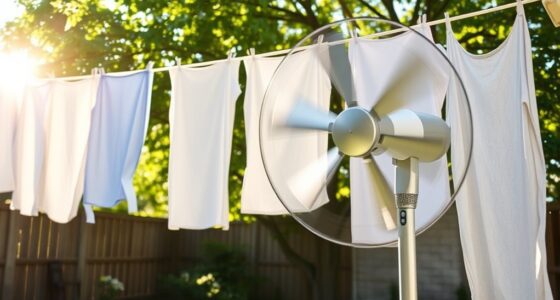
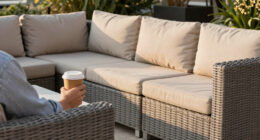
You need different airflow for fire pit seating because smoke and combustion gases must disperse quickly to keep the area safe and comfortable. Unlike dining spaces that focus on aesthetics and comfort, fire pit areas require good ventilation to prevent smoke buildup and guarantee safety. Proper airflow directs smoke away from guests and avoids hazards, especially in sheltered or enclosed spaces. Keep exploring to discover how to optimize your setup for both safety and coziness.
Key Takeaways
- Fire pits produce heat and combustion gases that require rapid dispersion, unlike the controlled environment of dining spaces.
- Seating near fire pits should facilitate smoke and gas flow away from guests to ensure safety and comfort.
- Fire pit areas often have open designs to maximize airflow, contrasting with enclosed dining areas that need controlled ventilation.
- Proper airflow in fire pit seating prevents smoke accumulation and health hazards, which are less critical in typical dining setups.
- The dynamic airflow needs around fire pits depend on outdoor conditions, whereas dining spaces usually prioritize consistent indoor ventilation.

When planning your fire pit seating, understanding airflow needs is essential for safety and comfort. Unlike dining spaces, where the primary concern is convenience and social interaction, fire pit areas require careful attention to airflow to prevent dangerous smoke buildup and ensure proper ventilation. This is especially important because the heat and combustion gases produced by the fire need to disperse quickly and efficiently. Proper airflow not only keeps the area comfortable but also aligns with fire safety regulations designed to protect you and your guests from potential hazards.
Indoor ventilation principles, while different, share similarities with outdoor fire pit setups. Both aim to control the flow of air to prevent the accumulation of smoke and harmful gases. When considering fire safety regulations, you should ensure that your fire pit area isn’t enclosed or overly sheltered, which could trap smoke and combustion byproducts. Unlike a dining space, where fresh air circulation is mostly about comfort, a fire pit seating area requires more deliberate design choices to facilitate adequate airflow. This might include strategic placement of seating, open-sided structures, or even windbreaks that don’t impede airflow but still provide comfort and safety.
You need to think about how airflow moves through the space. If your seating is too close to walls or barriers, it can hinder smoke from dispersing, creating a smoky environment that’s unsafe and unpleasant. On the other hand, too much open space can lead to drafts that might blow smoke toward guests or cause discomfort. Striking the right balance is key. Incorporate natural breezes and avoid creating pockets where smoke can settle. This might mean positioning seating in a semi-circular arrangement around the fire pit, allowing the wind to carry smoke away efficiently. Additionally, understanding airflow dynamics can help you optimize your setup for safer and more comfortable gatherings, especially when considering outdoor ventilation strategies. Incorporating landscape features can further influence airflow and help direct smoke away from seating areas.
Ensuring that your layout promotes good airflow can also involve considering the surrounding landscape, such as natural wind channels or barriers that influence how smoke moves. Remember, fire safety regulations often specify minimum distances between fire sources and combustible materials, including furniture or structures that could obstruct airflow. Ensuring these distances are met not only complies with legal standards but also helps maintain proper ventilation. Good airflow reduces the risk of smoke inhalation and helps prevent the buildup of dangerous gases like carbon monoxide. If your setup is near indoor spaces or enclosed patios, indoor ventilation considerations become even more critical. Installing exhaust fans or ventilation hoods can assist in removing smoke and maintaining a safe environment.
Ultimately, your goal is to create a cozy, inviting space that’s safe and compliant. By understanding airflow needs and adhering to fire safety regulations, you can enjoy your fire pit without worry. Proper design ensures smoke is carried away naturally, indoor ventilation supports safety, and everyone stays comfortable and protected during your gatherings.

OutVue 42 Inch Fire Pit with 2 Grills, Extra Large Wood Burning Fire Pits for Outside with Lid & Poker, Heavy Duty Firepit,BBQ& Outdoor Firepit & Round Metal Table 3 in 1 for Patio, Picnic, Party
[3 IN 1]: OutVue fire pit is equipped with 2 cooking grills, 1 lid and tabletop[No waterproof cover]….
As an affiliate, we earn on qualifying purchases.
As an affiliate, we earn on qualifying purchases.
Frequently Asked Questions
How Does Wind Direction Impact Fire Pit Airflow Requirements?
Wind direction greatly impacts fire pit airflow requirements by altering airflow dynamics around the seating area. When wind patterns shift, they can either enhance ventilation or cause smoke to blow directly into your space, making it uncomfortable. You need to position your fire pit considering prevailing winds to guarantee proper airflow, reducing smoke buildup and maintaining a safe, enjoyable environment. Proper placement helps you manage airflow and keep your fire pit experience pleasant.
Can Seating Arrangement Influence Airflow Efficiency Around a Fire Pit?
Yes, your seating arrangement can influence airflow efficiency around a fire pit. By strategically positioning seats, you can promote better airflow, reducing smoke buildup and enhancing comfort. Focus on creating a circular setup to allow unobstructed wind flow, which improves fire safety and maintains fire pit aesthetics. Comfortable seating encourages guests to relax and enjoy the fire, making your space more inviting while ensuring *ideal* airflow for safety and ambiance.
What Materials Are Best for Fire Pit Seating to Optimize Airflow?
Think of fire pit seating as a gentle breeze guiding cozy warmth; choosing the right materials makes all the difference. Opt for fire-resistant materials like metal or stone, which stand strong against heat. Complement these with breathable fabrics such as outdoor mesh or wicker cushions that allow air to flow freely, preventing heat buildup. Together, these choices create a safe, comfortable environment where warmth and airflow dance harmoniously.
How Often Should Fire Pit Seating Be Adjusted for Optimal Airflow?
You should adjust your fire pit seating regularly, ideally every few months, to maintain ideal airflow and seating comfort. Keep an eye on how the fire pit lighting affects heat distribution, as uneven warmth can cause discomfort. By periodically repositioning seating, you guarantee proper airflow, prevent overheating, and enhance safety, making your outdoor space more enjoyable and comfortable for everyone. Consistent adjustments promote both safety and seating comfort.
Are There Safety Concerns With Improper Airflow in Fire Pit Seating?
Ignoring proper airflow can lead to subtle fire safety issues in fire pit seating, raising ventilation concerns that might compromise safety. Poor ventilation can cause smoke buildup, making the area uncomfortable or even unsafe for guests. Ensuring adequate airflow reduces these risks, keeps the environment pleasant, and upholds safety standards. You want to create a cozy, safe space, so regularly check and adjust airflow to prevent any potential hazards.

KUNRISE BBQ 97mm × 33mm Blower Fan, High Airflow 110V 120V Variable Speed Centrifugal Fan with AC Plug for Camping, Charcoal Ignition, Outdoor Cooking, Fireplace, Bellows or Wood Stove
【Centrifugal Blower Fan】Suitable for BBQs, wood stoves, campfires, or indoor ventilation. It is ideal for fireplaces, fire pits,…
As an affiliate, we earn on qualifying purchases.
As an affiliate, we earn on qualifying purchases.
Conclusion
Remember, a well-ventilated fire pit area isn’t just about comfort—it’s about safety. You wouldn’t put all your eggs in one basket, so don’t disregard airflow differences between fire pit seating and dining spaces. By tailoring airflow, you ensure a cozy, safe environment where everyone can relax and enjoy. As the saying goes, “A place for everything, and everything in its place”—and that includes proper ventilation for every outdoor spot.

Outland Fire Table Tempered Glass Wind Guard Fence for Outland Series 401/403 Outdoor Propane Fire Pit Tables, Rectangular 29-Inch x 13-Inch x 4.5-Inch – Thick 5/16-Inch Safety Barrier Clear
✓ PERFECT FIT: Tempered clear glass wind guard fence is designed to be compatible with the rectangle Series…
As an affiliate, we earn on qualifying purchases.
As an affiliate, we earn on qualifying purchases.
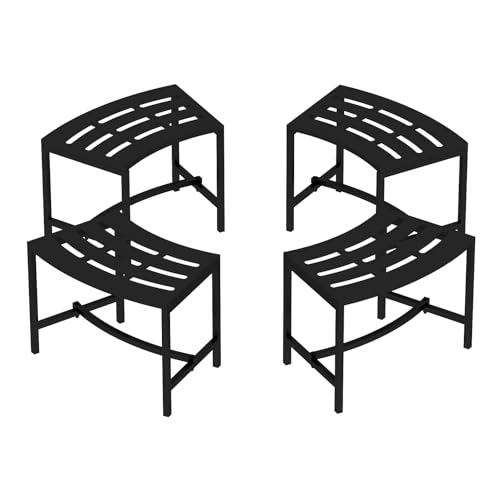
Timechee Metal Outdoor Curved Fire Pit Bench Set of 4, Fire Pit Seating Waterproof, Steel Backless Outside Tree Bench for Garden,Patio,Porch,Backyard,Heavy Duty Plant Holder, Style 2, Black
🍧【HEAVY DUTY】Our outdoor backless benches for fire pits are made of heavy-duty iron with a smooth, non-toxic coating….
As an affiliate, we earn on qualifying purchases.
As an affiliate, we earn on qualifying purchases.