To safely remove rust from outdoor fan hardware, start by wearing gloves and eye protection. Use a wire brush or steel wool to scrub away loose rust, then wipe the area with a damp cloth. Apply a rust remover or soak a cloth in vinegar to target stubborn spots, letting it sit before scrubbing again. Rinse thoroughly and dry completely. Applying a protective coating afterward helps prevent future corrosion—continue exploring for detailed steps and tips.
Key Takeaways
- Use a wire brush or steel wool to gently remove loose rust and debris from the hardware.
- Apply rust remover or soak a cloth in vinegar for stubborn rust spots, then scrub after treatment.
- Rinse thoroughly with water and dry completely to prevent new rust formation.
- Wear gloves and eye protection during cleaning to ensure safety.
- After cleaning, apply a rust-inhibiting primer or outdoor metal paint to protect against future corrosion.

Outdoor fan hardware often develops rust due to exposure to moisture and the elements, but you can restore its functionality with some simple steps. The first priority is to prevent further rusting, which means focusing on rust prevention strategies. Before you start cleaning, make sure to assess the extent of the rust. Light surface rust can be managed with basic cleaning tools, while more severe corrosion might require additional steps. To keep rust from spreading or worsening, consider applying a rust-inhibiting primer or paint once you’ve cleaned the hardware.
Begin by gathering your cleaning tools. You’ll need a wire brush or steel wool to scrub off loose rust and debris, a soft cloth or sponge for gentle cleaning, and perhaps some sandpaper for stubborn spots. For a more effective approach, a rust remover solution or a mixture of vinegar and baking soda can help dissolve rust. Wearing gloves and eye protection is recommended to keep yourself safe during the process.
Start by removing any loose rust with the wire brush or steel wool. This step is essential because it exposes the underlying metal and prepares the surface for further treatment. After scrubbing, wipe down the hardware with a damp cloth to remove dust and debris. If you notice persistent rust, apply a commercial rust remover or soak a cloth in vinegar and place it on the affected area. Let it sit for several minutes to loosen the corrosion. Once the rust starts to lift, scrub again with your cleaning tools to remove remaining residue.
Next, rinse the hardware thoroughly with water and dry it completely to prevent new rust from forming. Use a clean cloth or towel, and consider applying a rust-preventive coating or paint designed for outdoor metal surfaces. This protective layer will help shield your fan hardware from moisture and future rusting. To maintain the hardware’s appearance and longevity, regularly inspect and clean the fan, especially after storms or heavy rain. Additionally, understanding the role of corrosion can help you better prevent future damage and extend the lifespan of outdoor metal fixtures.

DEWALT Drill Bit Set, 3-Flats Shank,14-Piece, 135 Degree Split Point, for Plastic, Wood and Metal (DWA1184)
135 Degree Split point tip design to help reduce walking
As an affiliate, we earn on qualifying purchases.
Frequently Asked Questions
Can Rust Removal Methods Damage Outdoor Fan Components?
Rust removal methods can potentially damage outdoor fan components if you’re not careful. Using harsh chemicals or abrasive tools might cause chemical corrosion or harm delicate parts. To avoid this, opt for a rust converter, which neutralizes rust safely without damaging metal. Always follow manufacturer instructions and test on a small area first. Properly selecting your rust removal technique helps preserve your fan’s functionality and longevity.
How Often Should I Inspect Outdoor Fan Hardware for Rust?
When it comes to rust monitoring, don’t wait for trouble to knock on your door. You should inspect your outdoor fan hardware at least once every three to six months, especially before and after harsh weather. Regular inspection frequency helps catch rust early, preventing damage and extending your fan’s lifespan. Keep a keen eye on vulnerable spots, and you’ll stay ahead of rust buildup, ensuring smooth operation year-round.
Are There Eco-Friendly Rust Removal Options for Outdoor Fans?
You might wonder if eco-friendly solutions exist for removing rust from outdoor fans. Luckily, natural remedies like white vinegar, lemon juice, and baking soda are effective and environmentally friendly options. Simply apply these solutions to the rusted areas, let them sit, then scrub gently. These methods avoid harsh chemicals, protect your surroundings, and keep your outdoor space safe, making rust removal both effective and eco-conscious.
Will Rust Removal Affect the Fan’s Warranty?
Removing rust from your outdoor fan is like peeling away layers of corrosion to reveal a shiny surface. Rust removal typically won’t void your warranty if you avoid harsh chemicals and follow proper procedures. Applying rust-proof coatings afterward can protect your fan during regular fan maintenance. Just keep in mind, some warranties may have specific clauses, so check your manufacturer’s guidelines before proceeding. Proper care guarantees your fan stays in top shape longer.
How Can I Prevent Future Rust Formation on Outdoor Fans?
To prevent future rust on your outdoor fan, focus on rust prevention techniques like applying protective coatings regularly. You should also keep the fan clean and dry, especially after rain or dew, to reduce moisture buildup. Consider using rust-resistant paint or sealants that form a barrier against moisture. These steps will help maintain your fan’s condition, ensuring it runs smoothly and lasts longer despite outdoor elements.

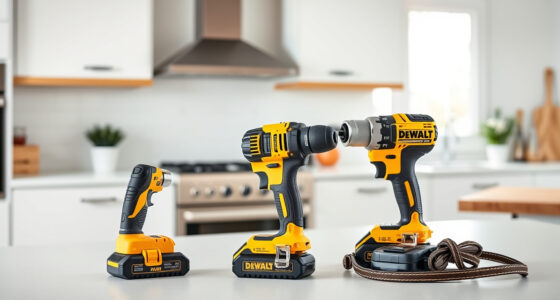
DEWALT 20V MAX Cordless Drill and Impact Driver, Power Drill Brushless 2-Tool Power Tool Combo Kit, Includes 2 Batteries, Charger and Bag (DCK277D2)
The compact 7.6-inch front-to-back, lightweight design fits into tight areas, making it an ideal choice for a power...
As an affiliate, we earn on qualifying purchases.
Conclusion
By regularly maintaining your outdoor fan hardware and removing rust promptly, you can extend its lifespan considerably. Did you know that outdoor equipment exposed to the elements can rust up to 75% faster if neglected? Staying proactive not only keeps your fan functioning smoothly but also saves you money on costly replacements. So, take a few minutes to clean and protect your outdoor gear—your wallet and the environment will thank you for it.

iLiving 18" Outdoor Oscillating High Velocity Wall Fan with 4150 CFM Heavy Duty Weatherproof Motor, Variable Speed Adjustment for Workshop, Garage, Patios, Commercial and industrial, 18 inch,Black
OUTDOOR OSCILLATING FAN - The iLiving weather sealed outdoor fan is equipped with a UL-certified oscillator motor which...
As an affiliate, we earn on qualifying purchases.

iLiving 18" Wall Mounted Fan - 6360 CFM, 3-Speed, Industrial Grade, Commercial/Residential, Weatherproof Outdoor/Indoor Fan for Garage, Patio, Workshop, Greenhouse | UL Listed, Mist Kit Compatible
BEAT TOUGH HEAT: Powerful 6360 CFM airflow cools large spaces fast – garages, workshops, patios, greenhouses, loading docks,...
As an affiliate, we earn on qualifying purchases.