
TL;DR

Get garden gear delivered free with Prime
- Fast, free delivery on millions of items
- Prime Video, Amazon Music and more included
- Member-only deals all year
Buenos Aires authorities are actively conducting preventive monitoring in nurseries to control the spread of the Red Palm Weevil. This ongoing effort aims to protect local palms from infestation, with no confirmed outbreaks reported yet.
Authorities in Buenos Aires are continuing their preventive monitoring efforts in nurseries to detect and control the spread of the Red Palm Weevil, a pest known to threaten palm trees. No confirmed infestations have been reported so far, but the ongoing surveillance underscores the importance of early detection in preventing widespread damage.
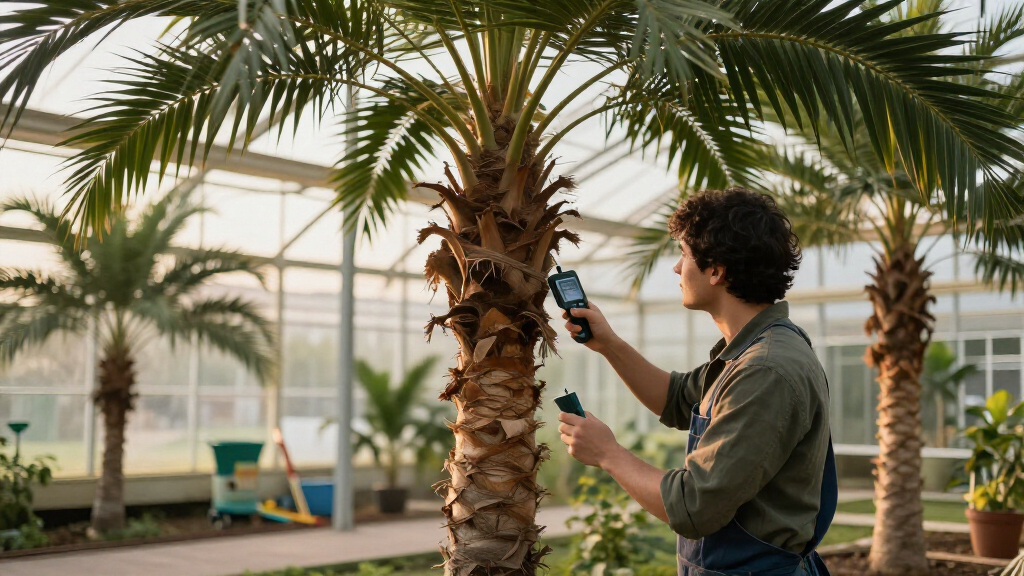
The Buenos Aires municipal government, in coordination with national agricultural agencies, has maintained active surveillance programs in local nurseries since the pest’s presence was suspected in the region. According to official sources, field teams are inspecting palm species and implementing monitoring protocols designed to identify early signs of infestation. These measures include visual inspections and the use of pheromone traps, which are standard practices to detect Red Palm Weevil activity.
While no confirmed cases of infestation have been announced, authorities emphasize that the pest has a history of rapid spread in other regions, making vigilant monitoring essential. The pest, which primarily affects date palms and other palm species, can cause significant damage if not detected early, leading to the death of affected trees. The current efforts are part of a broader preventative strategy aimed at safeguarding the local urban and ornamental palms.
Local nursery operators have been cooperating with authorities, with some reports indicating increased inspection routines and awareness campaigns. Experts note that early detection is critical because the Red Palm Weevil is difficult to eradicate once established, due to its hidden larval stage inside the palm trunk.
Implications of Ongoing Monitoring for Urban Green Spaces
The continued monitoring in Buenos Aires nurseries is significant because it reflects a proactive approach to pest management that could prevent large-scale palm tree losses in the city’s parks and streets. The Red Palm Weevil poses a serious threat to urban greenery, which is vital for environmental quality, aesthetic value, and urban ecology. Early detection efforts help avoid costly eradication programs and preserve the city’s ornamental palms. Additionally, successful prevention could serve as a model for other regions facing similar threats from this invasive pest.
As an affiliate, we earn on qualifying purchases.
Background on the Red Palm Weevil Threat in Argentina
The Red Palm Weevil (Rhynchophorus ferrugineus) is an invasive pest native to Southeast Asia but has spread to various parts of the Middle East, North Africa, and Europe, causing extensive damage to palm species. In Argentina, the pest’s presence has been suspected for several years, but confirmed infestations have remained limited and localized. Authorities have increased surveillance in recent months amid rising concerns about potential outbreaks, especially in urban nurseries and ornamental palm plantations.
Historically, the pest’s spread has been linked to international trade and movement of infected plant material. Its larvae burrow inside palm trunks, making early detection challenging. Once established, the pest can be difficult to eradicate, often requiring extensive tree removal and treatment efforts. The Argentine government and local authorities have prioritized monitoring efforts to prevent such scenarios from developing locally.
As an affiliate, we earn on qualifying purchases.
Unconfirmed Nature of Current Pest Presence in Buenos Aires
It is not yet clear whether the pest has established a presence in Buenos Aires or if the current monitoring is purely preventive. Authorities have not confirmed any infestations, but the pest’s biology makes detection difficult, and the risk remains until thorough inspections are completed.
As an affiliate, we earn on qualifying purchases.
Next Steps in Monitoring and Prevention Efforts
Authorities plan to continue and possibly expand surveillance activities, including more frequent inspections and public awareness campaigns. They are also monitoring for any signs of infestation and will update the public if confirmed cases are detected. The focus remains on early detection to prevent widespread damage to urban palms.
pest detection equipment for palms
As an affiliate, we earn on qualifying purchases.
As an affiliate, we earn on qualifying purchases.
Key Questions
What is the Red Palm Weevil?
The Red Palm Weevil (Rhynchophorus ferrugineus) is an invasive pest that attacks palm trees, causing extensive internal damage that can lead to tree death. It is considered one of the most serious threats to palms worldwide.
Are there any confirmed cases of infestation in Buenos Aires?
No, there have been no confirmed cases reported so far. Current efforts are focused on preventive monitoring to detect early signs of presence.
How does the pest spread?
The pest primarily spreads through the movement of infected plant material, including nursery stock and ornamental palms. It can also spread naturally by flight, but human activity is the main vector.
What are the signs of infestation to look out for?
Signs include holes in the trunk, sawdust-like frass, and the presence of the adult weevil. Early stages are difficult to detect because larvae develop inside the trunk.
What measures are being taken to prevent an outbreak?
Authorities are conducting regular inspections, using pheromone traps, and promoting awareness among nursery operators and the public to identify and report early signs of infestation.
Source: local
Fall Picks
fall essentials
As an affiliate, we earn on qualifying purchases.