TL;DR
A Gardening Know How report recommends five fall tasks to help hostas enter winter: divide overgrown clumps, remove damaged leaves, water when soil dries, check for slugs and snails, and let healthy foliage die back naturally. The guidance is seasonal gardening advice, not a report of a newly announced study or event.
Gardening Know How has outlined five September care tasks for hostas as they prepare for winter dormancy, including dividing overgrown plants, removing diseased leaves, watering as needed, checking for slugs and snails, and leaving healthy foliage in place until it dies back. The advice matters to gardeners because fall care can affect how hostas enter winter and resume growth the following season.

Get garden gear delivered free with Prime
- Fast, free delivery on millions of items
- Prime Video, Amazon Music and more included
- Member-only deals all year
The report says September can be a suitable time to divide and transplant large hosta clumps in many areas, while soil and weather remain warm enough for roots to establish. It advises lifting the clump carefully, cutting it with a clean, sharp tool, and making sure each division has healthy roots and part of the crown with stems. Replant divisions at the same depth as the original plant and keep them watered until dormancy.
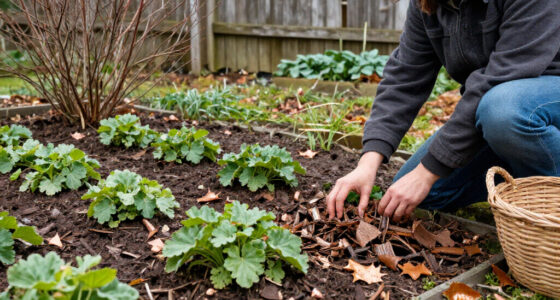
For established plants, the article advises removing yellowed or pest- or disease-damaged leaves, while keeping healthy green foliage because it continues photosynthesis and stores energy. It recommends checking soil moisture and watering deeply at the soil line when the top inch or two becomes dry. The report also says slugs and snails can remain active in early fall; gardeners can clear debris around plants and handpick visible pests.
The fifth task is to let hostas die back naturally. The report says yellowing and deteriorating leaves are part of the seasonal cycle and advises waiting to cut foliage until it has mostly turned yellow or brown and wilted, typically after a hard frost. Dead foliage should not be left around the plants through winter; diseased leaves should be disposed of rather than composted.
Fall Care Shapes Hostas’ Winter Entry
The checklist focuses on helping hostas approach dormancy with intact roots and, where possible, healthy foliage. Watering during dry spells supports plants before winter, while removing diseased material may reduce the amount of affected foliage left near the crown. Dividing clumps can also give gardeners a way to manage plants that have become crowded and establish new divisions.
The advice also addresses a common fall concern: hosta leaves naturally decline as the season changes. Allowing healthy foliage to die back avoids cutting it while it is still gathering energy. The article does not promise a particular result for every garden; local weather, soil, plant condition, and timing all affect how hostas respond.
Products Worth Considering

Husqvarna Automower 435X AWD Robotic Lawn Mower

IDEALHOUSE 8 × 10 ft Outdoor Polycarbonate Greenhouse

Orbit B-hyve 12-Zone Indoor/Outdoor Wi-Fi Sprinkler Controller
As an affiliate, we earn on qualifying purchases.
Why September Is a Division Window
Hostas are valued for their foliage and are generally grown as hardy perennials. As temperatures cool in fall, they prepare for winter dormancy; their leaves gradually yellow and collapse, with dieback typically completed after a hard frost. That decline is a normal seasonal process, according to the Gardening Know How report, rather than by itself a sign that a plant is failing.
The article describes September as a useful period for dividing hostas in many locations because soil may still be warm and gentler temperatures and more frequent rain can reduce transplant stress. The exact window varies by region, so the recommendation is conditional rather than a fixed date for all gardeners. The report presents its guidance as a seasonal checklist and does not cite a new trial or study.
““The goal is to support the plants, not keep them looking perfect until winter.””
— Gardening Know How
Local Conditions Set the Schedule
The report does not specify a single date that works across climates. Whether September is late enough or early enough for division depends on local conditions, including how soon hard frosts arrive and how much time remains for roots to establish. It also gives no measured comparison of outcomes for plants that receive these tasks versus those that do not.
Gardeners must judge watering from rainfall and soil moisture, and inspect plants to distinguish normal seasonal yellowing from disease or pest damage. The article does not identify particular disease treatments or provide product-specific directions for slug and snail bait; any pest-control product should be used according to its label.
Watch for Dieback and Frost
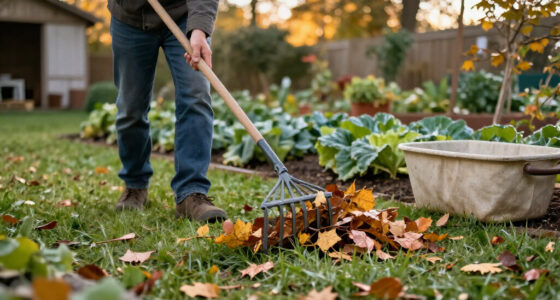
Through fall, gardeners can monitor soil moisture, remove damaged leaves, and check beneath foliage and around plant bases for slugs or snails. Anyone dividing a clump should keep the new plants watered while they establish. As foliage turns mostly yellow, brown, and wilted, it can be cut back and cleared away; gardeners should also remove dead leaves that have fallen around the plants before winter.
The next visible milestone is natural dieback, often completed after the first hard frost. The report offers no follow-up data on the season’s results, so the plants’ return next year will depend on their condition and local growing conditions.
Key Questions
Should hostas be divided every September?
No. The report says division is not needed every year; consider it when clumps have become large or overgrown. September may give divisions time to establish before winter in many areas.
Can I cut hosta leaves back while they are still green?
The report advises keeping healthy green leaves because they continue gathering energy. Remove leaves that are yellowed, damaged, or diseased, and wait to cut back the remaining foliage until it has mostly died back.
How often should I water hostas in fall?
There is no fixed schedule in the report. Check the soil and water deeply at the soil line when the top inch or two feels dry, adjusting for rainfall and local conditions.
When should I remove the rest of the foliage?
Wait until the foliage is mostly yellow or brown and wilted, usually after a hard frost. Clear dead leaves from around the plants before winter, and dispose of foliage that appears diseased.
Source: rss