TL;DR
A Country Living report, drawing on advice from TurfMutt Foundation president and CEO Kriss Kiser, lists eight fall yard chores that may help lawns and gardens weather winter and prepare for spring. The recommendations include aerating and overseeding suitable lawns, mulching leaves, checking plants’ water needs, inspecting trees and shrubs, planting native species, and leaving some habitat for wildlife.
Country Living has published a guide to eight fall yard chores that may help homeowners prepare lawns, trees and garden beds for winter and the next growing season. The report cites Kriss Kiser, president and CEO of the TurfMutt Foundation, and stresses that the right timing depends on local conditions and the plants involved.

Get garden gear delivered free with Prime
- Fast, free delivery on millions of items
- Prime Video, Amazon Music and more included
- Member-only deals all year
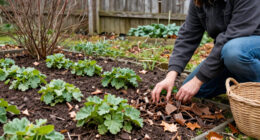
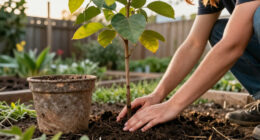
The recommended tasks include aerating compacted lawns, overseeding thin areas in cool-season grass, adjusting mower height, mulching fallen leaves and checking whether lawns and new plantings need water. The guide also advises inspecting trees and large shrubs for damaged limbs, planting native trees, shrubs and perennials, and leaving some plant stalks and seed heads in place for wildlife.
Several recommendations depend on grass type. The report describes early fall as a suitable time to aerate actively growing cool-season lawns, particularly where foot traffic or heavy soil has caused compaction. Warm-season lawns should generally be aerated in late spring or early summer instead. Fall can also suit overseeding cool-season grass, when soil remains warm and air temperatures are cooler; homeowners should follow the seed package’s instructions for timing and watering.
Kiser says aeration lets air, water and nutrients reach grass roots. For leaf management, the guide recommends mowing over a thick covering to shred it rather than leaving leaves that could smother grass. It also advises continuing to mow as needed while grass grows, following the recommended height for the grass type and avoiding removal of more than one-third of a blade at once. Kiser recommends a shorter final cut, but the report does not give one universal height for every lawn.
Fall Work That Carries Into Spring
Fall maintenance can address several different seasonal risks at once: compacted soil, bare lawn patches, leaf cover and vulnerable branches. The guide’s advice is practical rather than a guarantee of a particular spring result. Lawn recovery and plant establishment depend on the site, species, weather and how the work is carried out.
The recommendations also distinguish between tidying a yard and supporting habitat. Leaving some native grasses, plant stalks and seed heads standing can provide food and shelter for birds, pollinators and other wildlife during colder months, according to Kiser. That means a fall cleanup need not involve cutting back every plant or removing every leaf from the property.
For homeowners, the main value is a checklist that can be adapted rather than followed as a fixed schedule. Matching each task to local conditions matters: a cool-season lawn, a warm-season lawn and a newly planted tree do not necessarily need the same care at the same time.
Products Worth Considering

Greenworks 60V 21-Inch Self-Propelled Lawn Mower with Two 4.0Ah Batteries

EAGLE PEAK 8 x 6 ft Pop-Up Walk-In Greenhouse, Clear and Green

EGO Power+ SNT2425 24-Inch Two-Stage Snow Blower with Two 7.5Ah Batteries and Dual-Port Charger
As an affiliate, we earn on qualifying purchases.
Timing Depends on Grass and Weather
The recommendations come from a Country Living seasonal yard-care report based on the writer’s experience expanding from a vegetable garden to trees, perennials and lawn care, alongside an interview with Kiser. The supplied report does not identify a specific publication date or provide research results comparing the eight tasks.
Its timing guidance is not uniform across climates or plant types. The report links fall aeration and overseeding to cool-season grass, while placing warm-season lawn aeration in late spring or early summer. It also cautions that pruning schedules vary by plant: although a walk-through to identify dead or damaged limbs is recommended in fall, heavier pruning may be better left until winter dormancy.
“Fall is the most important season for setting your yard up for long-term success.”
— Kriss Kiser, president and CEO of the TurfMutt Foundation, as quoted by Country Living
Local Conditions Shape the Advice
The report does not provide one schedule or set of measurements for every yard. It gives no universal watering amount beyond Kiser’s general estimate of roughly one inch per week for grass, trees and shrubs through autumn; that total may include rainfall, and actual needs depend on soil moisture, weather and plant establishment. The guide says to avoid watering frozen ground or already saturated soil.
It also does not specify a final mowing height, a single date for fall tasks, or which species should receive heavier pruning and when. Those details remain dependent on grass variety, plant type and local climate. The claimed benefits are presented as expert guidance in a lifestyle report, not as quantified outcomes or a guarantee that following every task will prevent winter damage or produce a healthier lawn.
Plan Tasks Around Local Conditions
Homeowners can use the list to plan work before the ground freezes, starting by identifying their grass type and checking local weather and soil conditions. The report advises following seed-label instructions for overseeding, checking rainfall before irrigating, and keeping up with mowing only while grass continues to grow.
A fall inspection can identify branches that are dead, damaged or low-hanging; the guide recommends considering the right pruning time for each plant before making heavier cuts. The source material does not announce a follow-up study or a further reporting milestone. Specific task timing remains a local decision, rather than a single calendar date set by the report.
Key Questions
What are the eight fall yard chores in the report?
The list is to aerate grass, overseed thin spots in cool-season lawns, adjust mower height, mulch fallen leaves, water as needed, inspect trees and large shrubs, plant native trees, shrubs and perennials, and protect wildlife habitat.
Should every lawn be aerated in fall?
No. The report recommends early-fall aeration for actively growing cool-season grass. It says to wait until late spring or early summer for warm-season grass. Aeration is particularly relevant when soil is compacted.
Can fallen leaves stay on the lawn?
The guide says to shred leaves with a mower if they form a thick layer, because an unbroken covering can smother grass. Shredded leaves can break down on the lawn and return organic matter to the soil, according to Kiser.
How much should I water in fall?
Kiser gives a general estimate of roughly one inch of water per week for grass, trees and shrubs through autumn, counting rainfall. The report advises checking soil moisture and local conditions and not watering frozen ground or saturated soil.
Should all garden plants be cut back before winter?
No. The report recommends leaving some plant stalks, native grasses and seed heads intact as food and shelter for wildlife. Pruning needs vary by plant, and the guide says heavier pruning may be better left until winter dormancy.
Source: countryliving.com