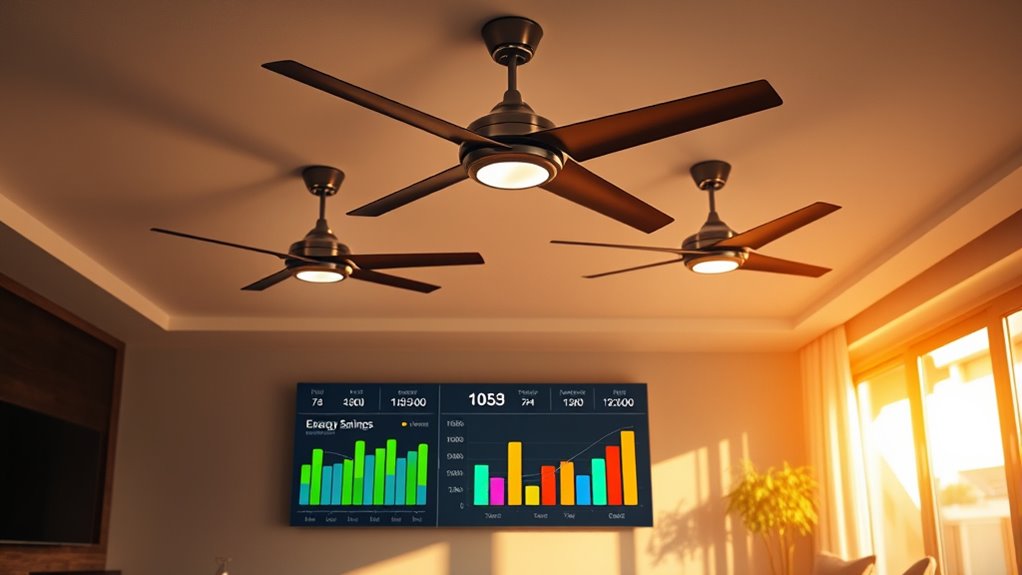

Tracking your energy logs after upgrading to smart fans helps you see real savings and assess how your habits impact energy use. By monitoring daily, weekly, or monthly consumption, you can identify patterns, reduce waste, and optimize your fan settings. Proper maintenance and habit adjustments can increase efficiency, leading to lower bills and a greener footprint. Keep observing these logs, and you’ll discover even more ways to maximize your energy savings and benefit from your smart upgrades.
Key Takeaways
- Analyze energy logs before and after upgrading to assess actual savings and identify usage patterns.
- Use logs to pinpoint peak energy consumption times and adjust fan operation accordingly.
- Track long-term trends to measure the impact of smart fan features on overall energy efficiency.
- Monitor device-specific energy use to optimize settings and prevent unnecessary energy waste.
- Leverage data to reinforce energy-saving habits and justify investment in smart fan upgrades.
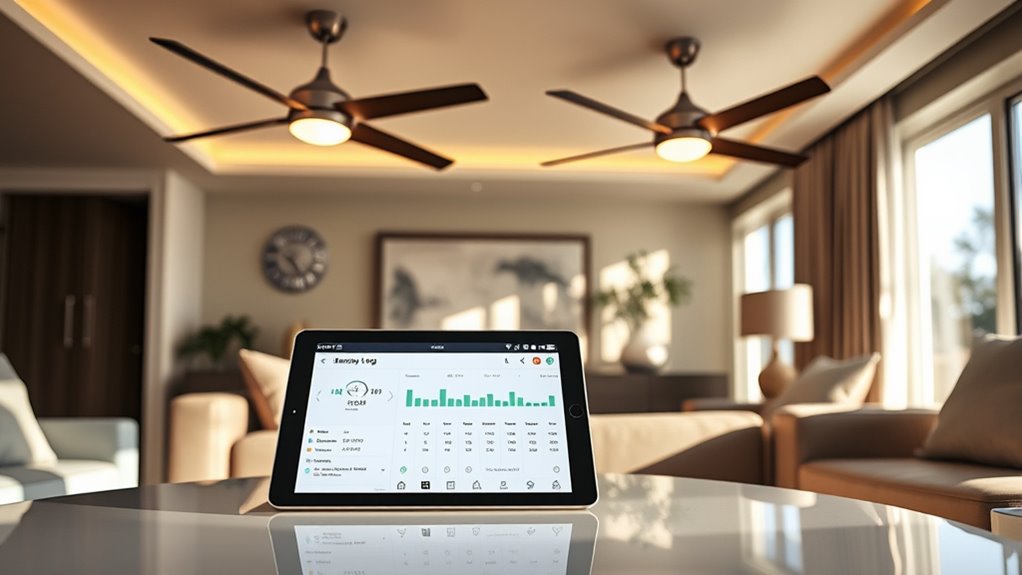
Have you ever wondered how much energy you use daily and where it all goes? Keeping track of your energy consumption can seem overwhelming at first, but with an energy log, you gain valuable insights into your habits and savings. Upgrading to smart fans is a smart move that can substantially reduce your energy use, but to truly maximize savings, you need to monitor your consumption carefully. An energy log helps you do just that—it’s a record of your daily, weekly, or monthly energy usage, giving you a clear picture of how your smart fans and other appliances impact your overall consumption.
When you start recording your energy usage, you’ll notice patterns that might surprise you. For example, you may find that certain times of day or specific activities cause spikes in your energy consumption. This awareness encourages you to adapt your habits, perhaps by scheduling fan use during off-peak hours or turning them off when not needed. Smart fans often come with energy-efficient features, but without tracking your usage, you might not realize how much energy you’re saving or wasting. An energy log makes it easy to see the difference your upgrades make over time.
Maintaining your smart fans properly is vital to ensuring they operate efficiently and continue saving you money. Regular maintenance tips include cleaning the blades to prevent dust buildup, checking the remote controls and sensors for proper functioning, and ensuring the fan’s firmware is up to date. Proper maintenance not only prolongs the lifespan of your smart fans but also keeps their energy consumption at an ideal level. When your fans are running smoothly, they use less energy, which directly translates into lower bills and a smaller carbon footprint.
Tracking your energy consumption with an energy log also helps you identify unnecessary waste. Maybe you notice that your fans are running longer than needed or that you’re using multiple devices at once, increasing your overall load. With this data, you can implement smarter usage practices, like setting timers or adjusting settings remotely via your smart home app. Additionally, understanding the contrast ratio of your appliances can help you select energy-efficient options that provide better performance with less power. Over time, you’ll see your energy bills decrease, reinforcing the benefits of your upgrades. Plus, keeping an eye on your logs motivates you to stick with energy-saving habits, making your efforts more effective.
Frequently Asked Questions
How Often Should I Review My Energy Logs for Optimal Savings?
You should review your usage frequency and log analysis regularly to maximize savings. For ideal results, check your energy logs at least once a month. This allows you to spot patterns, identify unnecessary energy use, and make adjustments quickly. More frequent reviews, like bi-weekly, can help you stay on top of your energy consumption and guarantee you’re getting the most benefit from your smart fans.
Can Energy Logs Help Identify Other Energy-Consuming Devices?
Ironically, your energy logs might be the best tool for device identification, even if you think they’re just about savings. They reveal usage patterns, helping you spot energy-hungry devices lurking in your home. By analyzing this data, you can identify unexpected culprits draining power and take action. So yes, your logs do more than track savings—they help you understand which devices need smarter management, saving you money in the long run.
Do Energy Logs Require Professional Installation or Setup?
You don’t always need a professional setup for energy logs; many devices are user-friendly and come with simple installation requirements. However, if you’re installing complex monitoring systems or integrating them with your home’s wiring, professional installation might be necessary to guarantee safety and accuracy. Check the device’s instructions to understand the installation requirements, and consider professional help if you’re unsure or if the setup involves electrical work.
Are Energy Logs Compatible With All Smart Fan Brands?
Imagine your smart fan as a puzzle piece; some energy logs fit perfectly, while others don’t align. Brand compatibility varies, so not all energy logs seamlessly integrate with every smart fan. To guarantee smooth device integration, check if your energy log supports your fan’s brand. This way, you can accurately track your savings without missing pieces or facing compatibility issues.
How Long Does It Typically Take to See Savings Reflected in the Logs?
You might wonder about the timing delays before savings show up in your logs. Usually, it takes a few days to a week for the savings timeline to become clear, as your system records usage patterns. Factors like your fan’s schedule and how often you use it can influence this. Keep monitoring regularly, and you’ll start to see how upgrading to smart fans helps reduce energy costs over time.
Conclusion
By tracking your energy logs, you see your savings grow, your bills shrink, and your impact lessen. You witness the difference in your home’s comfort, the reduction in your carbon footprint, and the boost in your savings. As you monitor your progress, you feel more confident, more in control, and more committed to making smarter choices. Keep logging, keep saving, and watch your energy future become brighter, more efficient, and more sustainable.