
To test your patio fan before spring, start with a thorough inspection of the blades and motor for dirt, rust, or debris, cleaning as needed. Turn on the fan to check its operation across different speed settings and listen for any unusual noises. Confirm it’s securely positioned and airflow is strong and even. Regularly tighten loose parts and verify the power source. Keep exploring for detailed tips on maintaining and optimizing your fan’s performance for spring.
Key Takeaways
- Inspect fan blades and motor for dust, debris, rust, or corrosion, and clean or tighten components as needed.
- Turn on the fan and cycle through all speed settings to verify smooth, quiet operation.
- Check power connections, plug, and circuit breaker to ensure proper electrical supply.
- Reposition or tilt the fan to optimize airflow and cooling coverage.
- Perform a full test during daylight to confirm airflow efficiency and identify any unusual noises or issues.
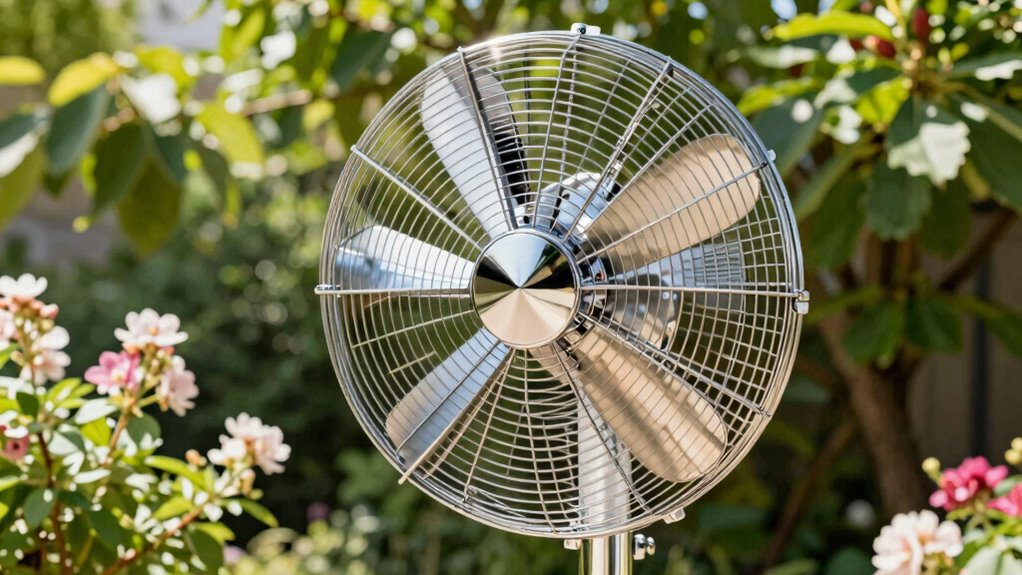
As spring approaches, it’s a good idea to test your patio fan now so you’re ready for warm weather. Preparing your outdoor cooling setup early ensures you won’t be caught off guard when the temperatures rise. Testing your patio fan before the season kicks into full gear helps identify any issues and allows you to perform necessary fan maintenance. This proactive approach guarantees your fan runs smoothly, providing effective outdoor cooling when you need it most.
Test your patio fan now to ensure it’s ready for warm weather and outdoor comfort.
Start by inspecting the fan blades and motor. Look for dust, dirt, or debris that could impede airflow or cause imbalance. Cleaning the blades with a damp cloth removes buildup that, over time, can strain the motor or reduce efficiency. Check the motor housing for any signs of rust or corrosion, especially if your fan is exposed to the elements. Addressing these issues early prevents larger problems down the line. Tighten any loose screws or bolts that secure the blades or housing, ensuring the fan operates safely and quietly.
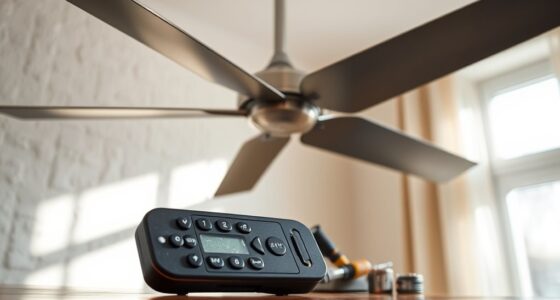
Next, test the fan’s electrical components. Turn on the fan and observe its operation. If it has multiple speed settings, cycle through them to see if each functions properly. Listen for unusual noises such as squeaking or grinding, which could indicate worn bearings or other mechanical issues. If the fan doesn’t start or runs intermittently, check the power source and plug connection. Sometimes, simple fixes like replacing a faulty power cord or resetting a circuit breaker can restore functionality. Updating or replacing the wall switch or remote control may also be necessary if they’re unresponsive. Additionally, considering dust-proofing solutions can help you keep your outdoor space cleaner and more comfortable during the season. Regular fan maintenance practices can also prolong the lifespan of your outdoor fan and keep it operating efficiently. Ensuring proper fan placement is also crucial for maximum airflow and cooling effectiveness.
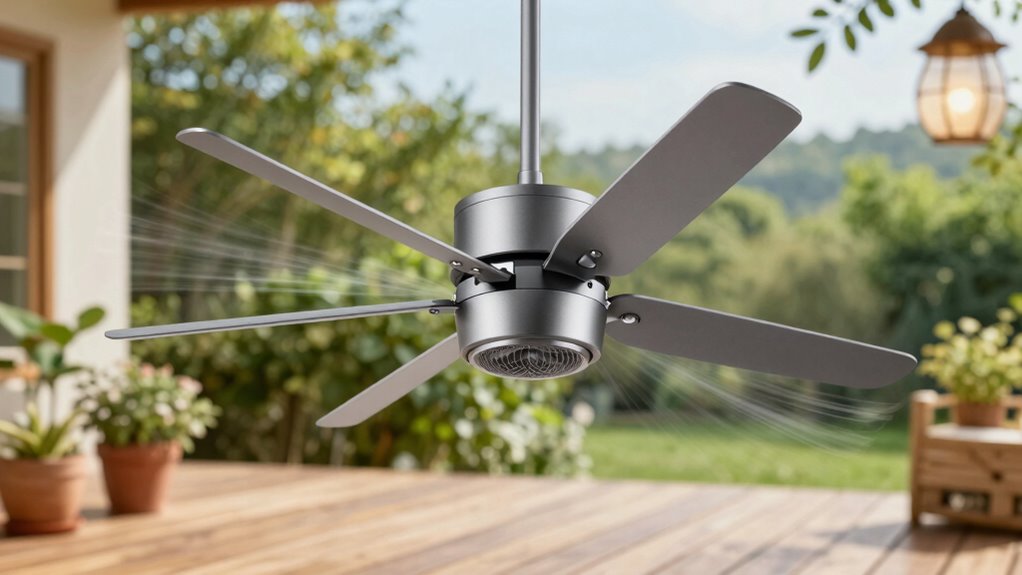
Don’t forget about outdoor cooling efficiency. Ensure the fan’s placement maximizes airflow and covers your desired area. Sometimes, repositioning the fan or adjusting its tilt can improve airflow distribution. While testing, observe how well the fan cools the space. If it feels weak or uneven, consider cleaning or replacing the blades, or even upgrading to a more powerful model if your current fan can’t handle the outdoor space effectively. Proper biodiversity practices around your outdoor area, such as planting native plants or providing habitats for beneficial insects, can also contribute to a healthier environment and enhance your outdoor experience. Taking care of your outdoor environment can also help maintain the longevity and effectiveness of your cooling devices.
Performing routine fan maintenance now saves you time and hassle later. Regular cleaning, inspection, and testing help extend your fan’s lifespan and keep it operating at peak performance. When spring arrives, you’ll have confidence that your outdoor cooling system is ready to provide relief, without unexpected breakdowns. Taking these simple steps ensures your patio remains a comfortable, inviting space, perfect for gatherings or relaxing afternoons. Preparing your patio fan early means you’ll be able to enjoy the warm weather without interruption, making your outdoor experience all the more enjoyable.

6 Pcs Microfiber Detail Duster Sticks Fan Cleaning Brush Fan Blade Cleaner Crevice Cleaning Tool Mini Split Cleaning Kit Car Air Vent Cleaner Fan Clean Brush for Home Car Window Blind
6-Piece Set: Includes 6 microfiber detail duster sticks in vibrant colors, perfect for fan blade cleaning and reaching…
As an affiliate, we earn on qualifying purchases.
As an affiliate, we earn on qualifying purchases.
Frequently Asked Questions
How Often Should I Test My Patio Fan During the Off-Season?
You should perform seasonal testing of your patio fan at least once during the off-season, ideally before spring begins. Regular fan maintenance helps guarantee it works efficiently and safely when you need it most. During these tests, check for loose blades, unusual noises, or motor issues. This proactive approach prevents unexpected breakdowns, extends the fan’s lifespan, and ensures peak performance when outdoor entertaining starts again.
What Safety Precautions Should I Take When Testing the Fan?
Remember, safety first—better safe than sorry. When testing your patio fan, always prioritize electrical safety by unplugging it before inspection. Check fan stability to guarantee it’s securely mounted and won’t wobble or fall during operation. Wear insulated gloves and eye protection, and keep your hands clear of moving parts. These precautions prevent potential shocks or accidents, ensuring a safe, smooth testing process and peace of mind for the upcoming season.
Can I Fix Minor Issues During the Testing Process?
Yes, you can fix minor issues during testing, but only if you’re comfortable and confident. Start by checking fan blade alignment, ensuring blades are properly balanced to prevent wobbling. Also, inspect the electrical wiring for any loose or damaged connections. If you notice any significant problems or feel unsure, it’s better to turn off the power and call a professional. Safety always comes first during repairs.
How Do I Identify if the Motor Needs Replacement?
You can identify if the motor needs replacement by performing a thorough motor inspection. Check for unusual noises, overheating, or persistent vibrations during testing. If the motor shows signs of electrical issues like burnt smells, or if it struggles to start or run smoothly despite minor repairs, it’s time for substitution. Follow the replacement criteria—significant wear, damage, or inefficiency—to guarantee your patio fan operates safely and effectively.
Is It Necessary to Clean the Fan Blades Before Testing?
Yes, it’s necessary to clean the fan blades before testing. Performing cleaning maintenance guarantees dust and debris don’t impact the fan’s performance during inspection. A thorough fan inspection includes checking for dirt buildup that could cause imbalance or noise. Clean blades help you accurately assess the motor and overall functionality. Plus, it prevents future issues, making sure your fan operates smoothly when you need it most.
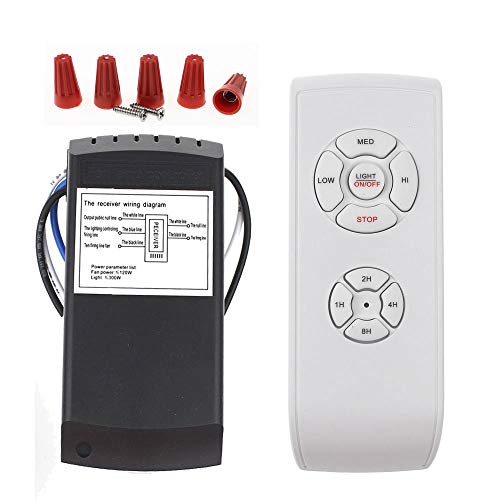
LPHUMEX Universal Ceiling Fan Remote Control Kit, 3-in-1 AC Motor Ceiling Fan Light Timing & Speed Remote, for Hunter/Harbor Breeze/Westinghouse/Honeywell/Other Ceiling Fan lamp
☞Easy Installation – Installation of the Universal Ceiling Fan Remote Controls Kit is a breeze and the looks…
As an affiliate, we earn on qualifying purchases.
As an affiliate, we earn on qualifying purchases.
Conclusion
Now that you know how to test your patio fan before spring arrives, you’re all set to enjoy cool breezes as soon as the weather warms up. Isn’t it satisfying to have everything ready to go? Taking a little time to check your fan now means you won’t be caught off guard when those first warm days roll in. So, why wait? Give your fan a quick test and get ready to relax in comfort all season long.

Universal Bathroom Fan Motor Replacement – SM550 Electric Vent Fan Motor Kit – Replacement for Nu-Tone Br-oan 50 CFM 120V 3000 RPM – Replace C01575 65100 EM550 EM750, Upgraded by PANDEELS
UNIVERSAL BATHROOM FAN MOTOR – High quality universal bathroom exhaust fan motor SM550 with blower wheel, 120V(with plug),…
As an affiliate, we earn on qualifying purchases.
As an affiliate, we earn on qualifying purchases.

Tower Fan Dust Cover, Household Fan Waterproof Dustproof Jacket for Electric 42-48" Stand Fans, Outdoor Indoor Standing Tower Fan Storage Cover,13"D x 13"W x 48"H – Black
The tower fan cover is waterproof, sunscreen and dustproof to protect your household tower fans from oxidation and…
As an affiliate, we earn on qualifying purchases.
As an affiliate, we earn on qualifying purchases.