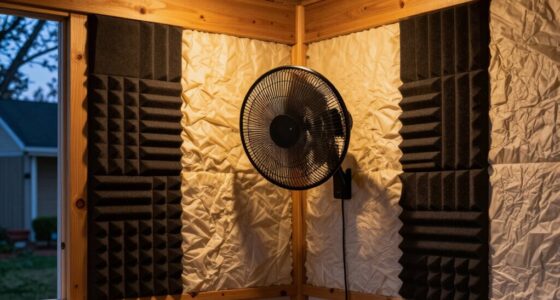
You might notice some gazebo fans look stylish but feel wrong when you install them because design often highlights appearance over safety and stability. They may lack proper mounting options, sturdy support, or weather-resistant features, causing wobbling or safety hazards. Poor wiring or exposed blades can also make them unsafe, even if they look good. To guarantee you’re not overlooked by these issues, understanding what to check can help you make a safer choice. Keep going to discover more.
Key Takeaways
- Aesthetic design may hide poor mounting stability or unsafe installation practices.
- Visual appeal can mask inadequate weatherproofing, risking electrical hazards.
- Fans might look good but lack essential safety features like protective covers or shatter-resistant blades.
- Complex wiring and incompatible hardware can make installation seem correct but feel insecure.
- Lack of durability or corrosion resistance causes performance issues despite attractive appearance.
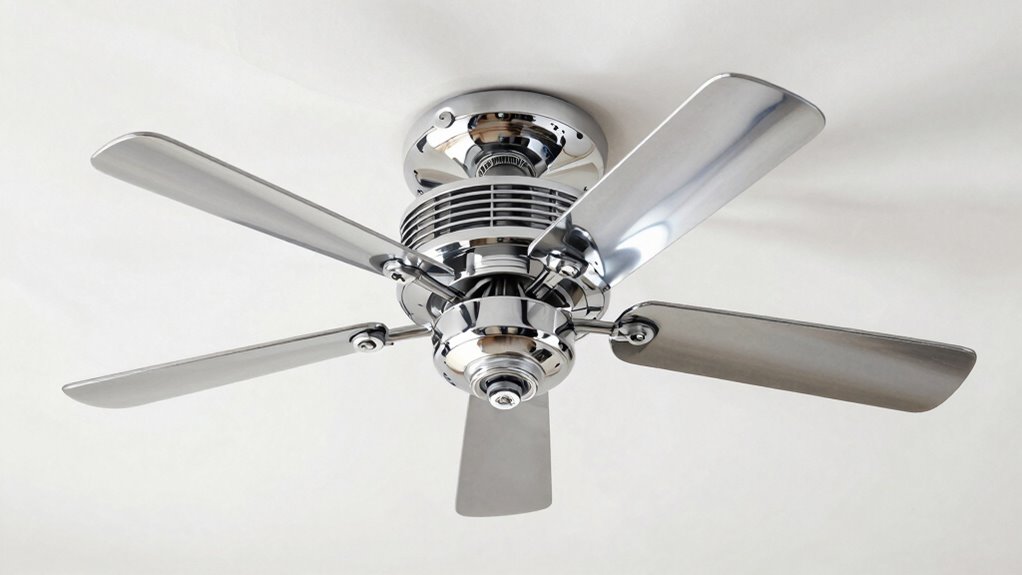
You might assume that gazebo fans are all about style, but appearances can be deceiving. Just because a fan looks sleek and modern doesn’t mean it’s easy to install or safe to use. Many people fall into the trap of choosing a fan based solely on its looks, only to find that the installation process is more complicated than expected or that it doesn’t operate smoothly once set up. The truth is, some fans are designed with aesthetics in mind but overlook practical factors like mounting stability, electrical requirements, and safety features. This disconnect can lead to frustration and, worse, safety hazards.
Stylish gazebo fans may look great but often overlook installation ease and safety features.
When you start installing a gazebo fan, you may encounter unexpected challenges. For example, some fans require specific mounting brackets or need to be anchored into sturdy support structures, which might not be present in your gazebo. If you don’t double-check the compatibility of the mounting hardware or the weight of the fan with your gazebo’s framework, you could end up with a wobbly, insecure fixture. Additionally, installation challenges often involve complex wiring that needs careful handling. If you’re not experienced with electrical work, you might struggle with connecting wires properly, risking short circuits or electrical fires. These issues aren’t immediately obvious when selecting a fan based on appearance, but they can make the difference between a functional, safe cooling solution and a hazardous, non-operational fixture.
Furthermore, understanding the outdoor electrical requirements is crucial, as many fans are not built to withstand exposure to moisture and varying weather conditions. Proper outdoor electrical safety measures are essential to prevent malfunctions or accidents. Safety considerations should be at the forefront when choosing a gazebo fan. Even a fan that looks attractive can pose risks if it’s not designed or installed properly. For instance, fans with exposed blades or poorly protected motors can be dangerous, especially if you have children or pets around. You need to ensure that the fan’s blades are made from durable, shatter-resistant materials and that it has adequate safety features like protective covers or safety screens. Also, check that the fan’s electrical components are rated for outdoor use, as exposure to moisture can cause malfunctions or electrical shocks. Ignoring these safety considerations because a fan appears stylish could lead to accidents or damage to your outdoor space.
In addition, choosing a fan with proper weather resistance can significantly extend its lifespan and maintain safe operation over time. While some fans may seem sturdy enough for outdoor use, they might lack the necessary corrosion resistance to handle the elements over the long term. It’s also wise to consider maintenance requirements to ensure your fan remains safe and effective throughout its lifespan. In the end, looks can be deceiving when it comes to gazebo fans. What seems like a perfect choice based on aesthetics might turn out to be a challenge when it comes to installation and safety. Always consider the practical aspects—mounting requirements, electrical compatibility, and safety features—before making your decision. Taking the time to evaluate these factors ensures you get a fan that not only looks good but functions safely and efficiently, giving you peace of mind while enjoying your outdoor space.
outdoor gazebo fan with safety features
As an affiliate, we earn on qualifying purchases.
As an affiliate, we earn on qualifying purchases.
Frequently Asked Questions
Can Gazebo Fans Be Used Indoors Safely?
Gazebo fans are generally not designed for indoor installation, so using them indoors isn’t considered safe. These fans often lack proper safety features needed for enclosed spaces, increasing risks like electrical hazards or injury. If you want to use a fan indoors, choose one specifically made for indoor use and make certain you follow safety considerations, such as proper mounting, adequate clearance, and avoiding water exposure. Always prioritize safety in your indoor environment.
Are There Noise Level Differences Between Fan Types?
The noise levels between fan types can feel like a thunderstorm or a whisper, depending on your choice. Blade design plays a huge role in noise mitigation, with some fans producing a gentle hum while others roar. Generally, fans with streamlined blades tend to be quieter, making them ideal for peaceful spaces. So, choose wisely if you want a fan that cools without turning your area into a noisy chaos.
How Energy-Efficient Are Different Gazebo Fan Models?
Different gazebo fan models vary in energy efficiency, affecting your energy consumption. Look for fans with higher power efficiency ratings, which use less electricity while providing the same airflow. Energy-efficient models feature advanced motors and blade designs that optimize airflow while reducing power draw. By choosing a fan with better power efficiency, you save on energy bills and enjoy a cooler space without sacrificing performance or increasing your environmental footprint.
What Maintenance Is Required for Outdoor Fans?
Did you know outdoor fans need regular upkeep to stay effective? You should check blade maintenance monthly, ensuring they’re clean and free from debris. Additionally, motor lubrication is essential—apply lubricant as recommended by the manufacturer to prevent squeaks and overheating. Regular inspections help your outdoor fan run smoothly and last longer, especially in harsh weather conditions. Keep up with these simple steps, and your fan will perform reliably year-round.
Do Gazebo Fans Come With Warranties?
Yes, gazebo fans often come with warranties that cover manufacturing defects and certain parts. When you purchase one, check if the warranty includes fan installation support and what warranty coverage is provided for motor and blades. This guarantees you’re protected against early malfunctions. Always read the warranty details carefully so you know what’s covered and how to handle repairs or replacements, giving you peace of mind and peak performance.
weatherproof outdoor ceiling fan
As an affiliate, we earn on qualifying purchases.
As an affiliate, we earn on qualifying purchases.
Conclusion
So, next time you’re eyeing a gazebo fan that looks perfect but feels off, remember—looks can be deceiving more than a magician’s hat trick. Don’t be fooled by shiny finishes or fancy blades; sometimes, the fan’s true personality is hidden behind its appearance. Trust your gut and check the details—because nothing’s more disappointing than a beautiful fan that’s as useful as a screen door on a submarine. Stay savvy and keep your outdoor oasis breezy and brilliant!
shatter-resistant outdoor fan blades
As an affiliate, we earn on qualifying purchases.
As an affiliate, we earn on qualifying purchases.
mounting brackets for gazebo fans
As an affiliate, we earn on qualifying purchases.
As an affiliate, we earn on qualifying purchases.