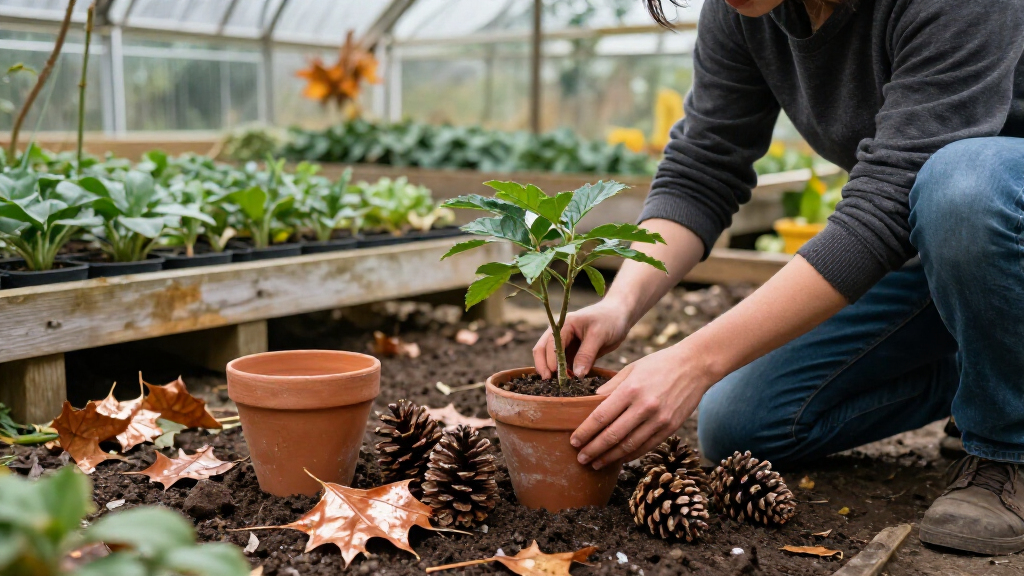

TL;DR
A Homes & Gardens report describes four ways gardeners can use pine cones in container gardens: to create air pockets, reduce potting-mix use in large planters, cover soil against pests and serve as a light mulch. These are practical uses, not a replacement for drainage holes or a guaranteed pest barrier, and the cones decompose over time.
Homes & Gardens has reported four uses for pine cones in fall container gardening: creating air pockets in pots, taking up space in large planters, covering soil to deter some pests and serving as a light mulch. The suggestions offer gardeners a way to reuse a natural material, but the report cautions that pine cones do not replace drainage holes and are not a guaranteed defense against animals.

Get garden gear delivered free with Prime
- Fast, free delivery on millions of items
- Prime Video, Amazon Music and more included
- Member-only deals all year
For drainage, the report recommends placing cones about one-third of the way down in a container, without packing them tightly. Their irregular shapes leave spaces that allow water to move through more readily than a tightly packed layer of rocks, according to Homes & Gardens. The cones will eventually decompose, so gardeners may need to replace them and add soil; as they break down, they can return nutrients to the potting mix.
In a large planter, cones can occupy one-third to one-half of the container, reducing how much potting mix is needed. The report says this approach is best suited to shallow-rooted plants that do not need the planter’s full depth. Landscape fabric can be placed over the cones to keep soil from sifting between them. A lighter-filled planter may also be easier to move to shelter for winter.
On the soil surface, cones can make it harder for squirrels to reach newly planted bulbs, while their rough texture may deter slugs and snails. Homes & Gardens stresses that squirrels can still dig through them. As mulch, cones cover bare soil and may help reduce moisture loss, insulate roots and suppress weeds, but the report says they are less dense than bark-chip mulch. It also advises checking local foraging rules before collecting cones.
Four Uses for Fall Container Care
The advice matters to gardeners preparing containers for colder weather because it presents pine cones as a low-cost, lightweight material that can serve several roles. Using them to occupy part of a large planter may reduce the quantity of potting mix required, and lighter containers can be easier to move to a sheltered location. A layer on the surface may also provide some protection for soil and plants.
Those benefits come with limits. Cones are not a substitute for a pot’s drainage hole, and the source does not present them as a dependable way to stop pests or as a full replacement for conventional mulch. Their suitability depends on the plant’s root depth and the container, while decomposition means the arrangement may need maintenance.
Products Worth Considering

Orbit B-hyve XR 8-Zone Indoor/Outdoor Smart Sprinkler Controller

Husqvarna 120 Mark III 16-Inch Gas Chainsaw, 38 cc

EGO Power+ 21 Cordless Electric Lawn Mower Kit, Self-Propelled (LM2135SP)
As an affiliate, we earn on qualifying purchases.
How the Cone Method Works
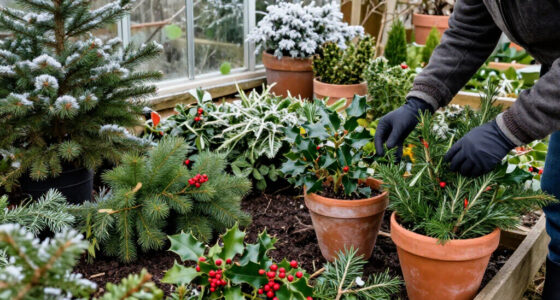
The report frames the advice as part of fall container preparation, when gardeners may be planting spring bulbs, covering exposed potting mix or moving containers for winter. Plants in pots are more exposed to freezing temperatures than plants in the ground, the report says, which can leave their roots vulnerable to cold.
The four uses are distinct: cones placed within the pot create air spaces; cones at the base take up volume; cones laid on the surface act as a physical covering; and a surface layer can function as light mulch. The report does not provide experimental results or comparative measurements for these methods. Its recommendations are presented as practical gardening guidance, with caveats about effectiveness and suitability.
“Pine cones offer a natural solution to filling large planters, saving you money on compost and creating air pockets to improve drainage.”
— Homes & Gardens report
Limits and Local Rules
The source does not cite trials comparing pine cones with other pot-filling or drainage materials, or quantify how much they affect water movement, insulation or pest activity. Their effectiveness may vary with the cone size, the container, the plant and local conditions. The report also gives no timeline for how quickly cones decompose or how often gardeners should replace them.
It is also unclear where collecting cones is permitted: the report advises readers to check local foraging regulations but does not identify rules for any particular area. Its pest advice is qualified, especially for squirrels, which may continue digging despite a surface layer of cones.
Before Adding Cones to Pots
Gardeners considering the method can first check local rules on collecting pine cones, then match the use to the container and plant. For a large planter, the report suggests reserving this approach for shallow-rooted plants; for drainage, it advises leaving space between cones and keeping the pot’s drainage hole clear. A surface layer can be tried as light coverage, but gardeners should not rely on it alone to protect bulbs from squirrels or replace denser mulch where that is needed.
Over the season, gardeners may need to check soil levels as cones break down and replenish the potting mix. The report gives no fixed maintenance schedule, so the next step depends on the condition of each container and plant.
Key Questions
Can pine cones replace a drainage hole in a pot?
No. The report says a pot should still have a drainage hole so excess water can escape. Pine cones may create air pockets within the container, but they are not a substitute for an outlet.
How much of a large planter can pine cones fill?
Homes & Gardens suggests filling one-third to one-half of a large planter with cones to reduce the amount of potting mix needed. It says this is best for shallow-rooted plants that do not need the full depth.
Will pine cones stop squirrels from digging up bulbs?
Not reliably. A layer may make the soil harder to reach, but the report says squirrels may still dig. It presents cones as a natural measure to try, not a guaranteed barrier.
Are pine cones as effective as bark mulch?
The report says pine cones are less dense than bark-chip mulch, so they may provide lighter coverage rather than the same level of insulation. It suggests they can still cover bare soil and be combined with other winter-protection methods.
Source: homesandgardens.com