TL;DR
Homes & Gardens recommends bringing six tender garden plants indoors in November, before frost, so they can be kept as houseplants over winter. The supplied source gives care guidance for elephant ear, citrus trees, succulents and coleus; its excerpt cuts off during the pelargonium section, and does not identify the sixth plant.
Homes & Gardens has published seasonal guidance recommending that gardeners move tender plants indoors in November, ahead of the first frosts, to protect them through winter and keep them as houseplants. The supplied report excerpt discusses elephant ear, citrus trees, succulents and coleus, then begins a section on pelargoniums before cutting off; it does not establish the full list of six plants named in the headline.

Get garden gear delivered free with Prime
- Fast, free delivery on millions of items
- Prime Video, Amazon Music and more included
- Member-only deals all year
The report says winter care depends on both the plant and local conditions. It identifies elephant ears as tropical perennials whose large leaves can be green, purple or nearly black. According to the article, they can remain outdoors in USDA Zones 8–11; in colder areas, gardeners should move potted plants inside or dig up in-ground specimens and pot them in fresh compost. It recommends checking leaves and stems for pests before bringing them indoors, and placing the plant in the brightest available spot or under a grow light.
For citrus trees in pots, the report says gardeners outside USDA Zones 9–11 should provide a bright, cool winter location. A south- or west-facing window may work if there is no conservatory, but the article advises avoiding both heated rooms and cold drafts. It recommends sparing watering, letting the top couple of inches of compost dry between waterings, and using room-temperature rainwater where possible.
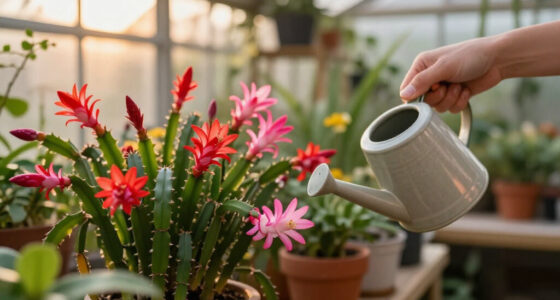
The article also names succulents such as house leeks, Echeveria and Aloe, and coleus. It advises giving succulents a bright, sunny position indoors and watering only when their soil is completely dry. Coleus exposed to winter temperatures below 50°F (10°C) should be brought inside if gardeners want to keep them until spring, the report says. Before moving them, it recommends removing flower spikes, trimming up to half the plant and allowing a few days of adjustment in a sheltered outdoor spot or light garage. The excerpt starts a pelargonium section but provides no care details for that plant.
Protecting Tender Plants From Frost
Moving vulnerable plants before cold weather sets in can help gardeners keep established specimens alive until spring, rather than treating them as seasonal losses. The advice also matters for indoor plant health: a plant moved inside with pests, excess moisture or unsuitable light may struggle even after it is protected from frost.
The recommendations are not a single rule for every garden. The article distinguishes plants that can tolerate particular conditions from those that need shelter, and it notes that local climate and individual plant needs affect timing and care. Gardeners should check their plants and local frost outlook rather than assume November is the same deadline everywhere.
Products Worth Considering

Husqvarna Automower 435X AWD Robotic Lawn Mower

IDEALHOUSE 8 × 10 ft Outdoor Polycarbonate Greenhouse

Orbit B-hyve 12-Zone Indoor/Outdoor Wi-Fi Sprinkler Controller
As an affiliate, we earn on qualifying purchases.
The Report’s Winter Care Guidance
The source is a seasonal gardening report from Homes & Gardens, titled “6 Plants You Should Bring Indoors in November – And Enjoy as Houseplants Over Winter.” Its premise is that some tender flowering and foliage plants can be kept indoors during colder months and moved back outside in spring. It frames November as a time to review which garden plants need winter warmth, with the first frost as a key consideration.
The supplied text does not reproduce the full article. It contains sections on elephant ear, citrus trees, succulents and coleus, then starts a section on pelargoniums before ending mid-word. The headline promises six plants, but the excerpt does not name or describe a sixth entry. The care recommendations here are therefore limited to information actually present in the supplied material.
““The degree of care and preparation they’ll need for this shift will vary from plant to plant – and the area you live in.””
— Homes & Gardens report
The Missing Sixth Plant
The supplied source excerpt is incomplete. It ends during the pelargonium section, so it does not include the full guidance for pelargoniums or identify the sixth plant promised in the headline. The report’s full publication date is also not provided in the supplied material.
The recommendations are presented as general gardening guidance, not as a guarantee that every specimen will thrive indoors. The excerpt does not give details for every cultivar, household condition or local climate, and readers should not infer that all plants need identical preparation or care.
Check Plants Before the First Frost
Gardeners considering the move should check local temperatures and each plant’s needs, then inspect foliage and stems for pests before bringing specimens indoors. The report’s guidance points to suitable indoor light and restrained watering as key parts of winter care, with specific needs varying by plant.
The complete six-plant list cannot be confirmed from the supplied excerpt. A full version of the Homes & Gardens report would be needed to verify the final plant and read the missing pelargonium instructions.
Key Questions
Which plants does the supplied report excerpt name?
It includes elephant ear, citrus trees, succulents, coleus and pelargoniums. The pelargonium section is cut off, and the excerpt does not identify the sixth plant from the headline.
When should tender plants be moved indoors?
The report recommends moving tender plants in November, before the first frosts. Local weather and the plant’s cold tolerance affect the appropriate timing.
Do elephant ears need to come indoors everywhere?
According to the report, elephant ears can stay outdoors over winter in USDA Zones 8–11. It advises bringing them indoors in colder areas, either by moving pots or digging up in-ground plants and potting them.
How should indoor succulents be watered over winter?
The report recommends a bright, sunny location and watering only when the soil is completely dry. It also advises clearing away dead leaves and checking plants for pests before moving them inside.
Are coleus safe around pets?
No. The source says coleus are poisonous to cats and dogs and advises keeping them out of pets’ reach.
Source: homesandgardens.com