TL;DR

Get garden gear delivered free with Prime
- Fast, free delivery on millions of items
- Prime Video, Amazon Music and more included
- Member-only deals all year
Gardening Know How’s November guide describes taking hardwood cuttings from seven deciduous shrubs: roses, butterfly bush, dogwood, mock orange, viburnum, forsythia and spirea. It explains how to select and prepare stems, pot them in a fast-draining mix and shelter them over winter; results are not guaranteed, and the source gives no success-rate data.
Gardening Know How has published a November guide to propagating seven deciduous shrubs from hardwood cuttings, outlining a low-cost way for gardeners to try growing new plants from existing shrubs. The method involves taking mature stems after leaf fall, potting them in a free-draining mix and protecting them through winter, though the guide does not promise a particular success rate.
The seven shrubs named in the report are rose, butterfly bush, dogwood, mock orange, viburnum, forsythia and spirea. The article says cuttings can root over winter and be ready for planting in spring. Its advice is aimed at deciduous shrubs approaching dormancy, rather than every garden plant or every climate.
For timing, the guide advises waiting until a shrub has dropped its leaves or, in a mild autumn, lost about three-quarters of them. It recommends current-year stems from the outer, sunnier part of the shrub, about the thickness of a pencil and mature enough to snap rather than bend. Suggested cuttings are generally 6 to 12 inches long, with several nodes.
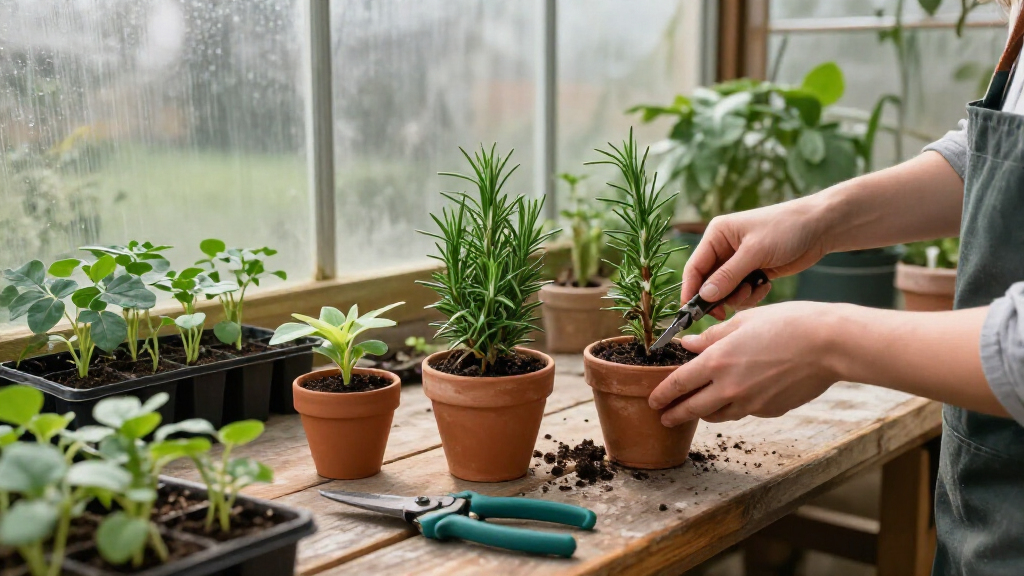
The lower cut should be made just below a node and the upper cut above one, with the top cut angled to help shed rain. The guide calls for a potting mix amended with a similar volume of grit, sand or perlite, and containers with drainage. Insert each cutting base-first, burying about two-thirds of its length. Place pots in a sheltered position; the article recommends a spot against a south-facing wall to reduce exposure to cold winds and heavy rain.
A Low-Cost Way to Multiply Shrubs
The advice gives gardeners a way to try expanding a planting without buying additional shrubs, using stems from plants they already own or have permission to propagate. It may be useful for filling a new garden area or replacing plants, but “free” does not mean guaranteed: the report itself says not all cuttings take, and it supplies no measured success rates.
November timing also makes the technique season-specific. Taking cuttings as deciduous plants enter dormancy allows gardeners to use late-fall garden time for propagation, with the possibility of spring planting if the stems root. The outcome depends on the plant, local winter conditions and care, details that can vary between gardens.
Products Worth Considering

Greenworks 40V Cordless Leaf Blower/Vacuum, 505 CFM, 5.0 Ah Battery and Charger

EGO POWER+ LB6151 Cordless Leaf Blower with 2.5Ah Battery and Charger

Traeger Westwood Wood Pellet Grill and Smoker, 653 sq. in., WiFIRE
As an affiliate, we earn on qualifying purchases.
How Hardwood Cuttings Work
Hardwood cuttings are sections of mature, dormant or near-dormant woody stems, rather than soft new growth. The Gardening Know How report says November is a suitable time for its selected deciduous shrubs because stems have stored energy for winter and the plants are nearing dormancy. It advises taking several cuttings, noting that even experienced gardeners do not achieve a 100% success rate.
The article distinguishes among the seven shrubs in how they may be prepared. It says dogwood, forsythia, butterfly bush and spirea can root without added rooting hormone. For roses, it recommends rooting powder to improve the chance of success. For mock orange and viburnum, it suggests scoring a narrow strip of bark at the base before applying rooting powder. These are the source’s gardening recommendations, not guarantees that each cutting will root.
““Not even expert gardeners get a 100% success rate from hardwood cuttings.””
— Gardening Know How
Success Depends on Growing Conditions
The source does not report trial data, rooting percentages or comparisons between the seven shrubs. It also does not specify a geographic region, climate zone or exact winter temperature range for the advice. While it says cuttings can root over winter and be planted in spring, the timing and likelihood of success in a particular garden remain uncertain.
The supplied text ends partway through its winter-care section, so it does not provide the complete instructions for keeping pots protected. It also does not give detailed care advice for checking moisture, responding to severe freezes or identifying when a cutting has rooted. Gardeners should treat the steps as general guidance and account for local conditions.
Watch for Spring Rooting
Gardeners following the guide would leave the containers in a sheltered outdoor spot through winter and check their cuttings as spring approaches. The stated next milestone is whether stems establish roots and can be planted out in spring. The report does not give a fixed date for transplanting or a test for root readiness, so those decisions will depend on the plants’ condition and local weather.
For now, the recommended task is to choose healthy, mature stems after leaf fall, label the pots by shrub type and protect them from harsh exposure. The article provides a method to try, not a guarantee of a free new shrub by spring.
Key Questions
Which shrubs does the November guide recommend?
It lists roses, butterfly bush, dogwood, mock orange, viburnum, forsythia and spirea as candidates for hardwood cuttings.
When should I take hardwood cuttings?
The report recommends waiting until the shrub has dropped its leaves, or has lost about three-quarters of its foliage in a mild autumn, as it approaches dormancy.
Do all the cuttings need rooting hormone?
No. The guide says dogwood, forsythia, butterfly bush and spirea may root without it. It recommends rooting powder for roses and for mock orange and viburnum after scoring the stem base. These recommendations do not guarantee rooting.
Will every cutting grow into a new shrub?
No. Gardening Know How says even experienced gardeners do not get a 100% success rate. The report does not provide a typical success percentage, and results may vary with plant and growing conditions.
How should the pots be kept over winter?
The article advises placing them in a sheltered position away from the worst winter rain and cold, such as against a south-facing wall. The supplied source text does not include all of its winter-care instructions.
Source: gardeningknowhow.com