TL;DR

Get garden gear delivered free with Prime
- Fast, free delivery on millions of items
- Prime Video, Amazon Music and more included
- Member-only deals all year
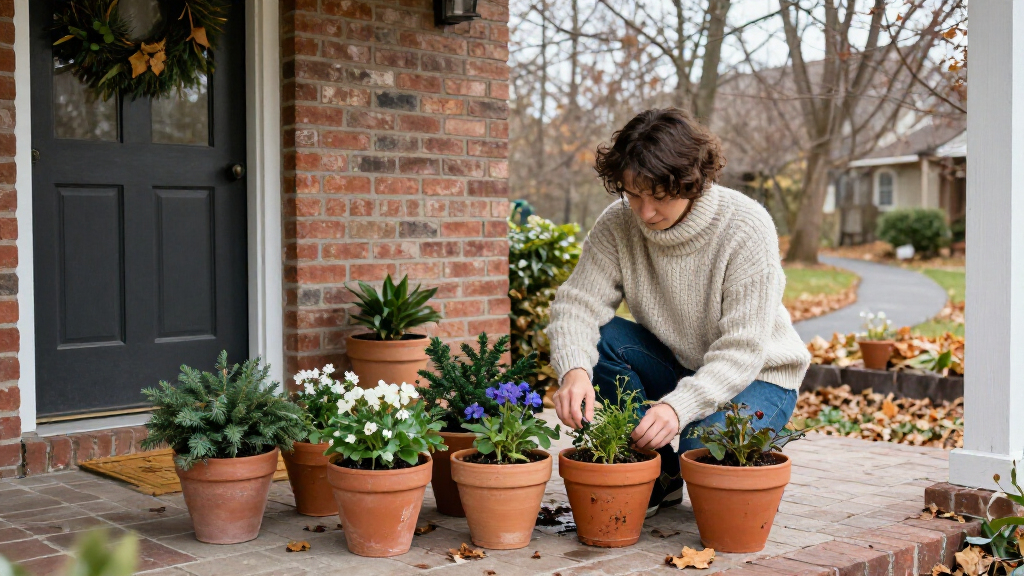
Gardening Know How published a seasonal guide to plants for holiday porch pots, highlighting seven options for winter color, foliage and structure. The list includes Korean fir, winterberry holly, ornamental cabbage and kale, Christmas hellebores, Little Gem Norway spruce, coral bells and English ivy. The article does not establish that planting now guarantees a particular display or that every plant will suit every climate.
Gardening Know How has published a seasonal guide to seven plants for holiday porch pots, suggesting a mix of small evergreens, colorful foliage, berries and flowers for outdoor winter arrangements. The list gives gardeners options for building festive containers near front doors and entryways, while the source notes that bloom timing and cold tolerance vary by plant.
The plants named in the guide are ‘Ice Breaker’ Korean fir, winterberry holly, ornamental cabbage and kale, Christmas hellebores, ‘Little Gem’ Norway spruce, coral bells and trailing English ivy. They offer different forms: Korean fir and spruce provide evergreen structure, winterberry contributes red berries after its leaves fall, and ivy can cascade over a container’s edge.
The report describes ornamental cabbage and kale as cold-hardy plants with white, pink, red or purple rosettes. It says their color can persist into freezing weather and suggests pairing them with winter-hardy pansies, berried twigs, chrysanthemums or ornamental grasses. Coral bells, meanwhile, are included for foliage colors that can range from bronze and apricot to burgundy and purple; their flowers generally appear in spring and summer rather than during the holiday season.
Timing is a consideration for hellebores, also called Christmas roses. The article says they commonly bloom in January, but identifies ‘Christmas Carol Early’, ‘Jacob’ and ‘Snowbells’ as cultivars that may flower in time for the holidays. It also lists cold-hardiness information for several selections, including winterberry holly to USDA zone 3 and ‘Little Gem’ Norway spruce to minus 40 degrees Fahrenheit. Those figures do not replace checking local conditions or plant-specific care instructions.
Choosing Plants for Winter Containers
The recommendations give homeowners a way to plan porch displays around more than flowers. Berries, evergreen needles and colored leaves can provide visual interest during colder months, when many familiar seasonal flowers are not in bloom. Combining upright evergreens with lower foliage and a trailing plant can also create variation in height and shape.
For readers, the practical value is in matching a plant to the desired effect and local winter conditions. A hellebore may be chosen for a white flower, but its usual January bloom could miss an earlier holiday display. Winterberry offers bright fruit, while the listed evergreen shrubs contribute year-round structure. The source offers ideas, not a guarantee that each plant will thrive in every container or climate.
Products Worth Considering

Orbit B-hyve XR 8-Zone Indoor/Outdoor Smart Sprinkler Controller

Orbit B-hyve Smart Indoor/Outdoor 12-Zone Sprinkler Controller
Orbit B-hyve XR 16-Zone Indoor/Outdoor Smart Sprinkler Timer
As an affiliate, we earn on qualifying purchases.
Seven Choices, Different Seasonal Roles
The Gardening Know How report frames porch pots as outdoor arrangements for entrances, steps and entryways during the holiday period. It recommends choosing plants with structure and winter resilience, and combining them with cut greenery. Its plant descriptions emphasize contrasts: the silver, curled needles of ‘Ice Breaker’ Korean fir; winterberry’s red fruit on bare stems; and the compact, rounded form of ‘Little Gem’ Norway spruce.
The source also distinguishes plants grown mainly for appearance from those grown for food. Ornamental cabbage and kale are technically edible, but the article says they are cultivated for their colorful rosettes rather than eating. The supplied excerpt begins a section on assembling the containers and says pots should be made from materials that can handle winter temperatures, naming metal, wood and plastic. It does not provide the rest of the container instructions.
Local Conditions and Bloom Timing
The supplied report does not give a publication date, identify a specific region for its planting advice or explain how readers should adjust the selections for their local weather. Cold tolerance is plant-specific, and the excerpt does not give hardiness details for every plant on the list. It is not clear which cultivars are available in each market or whether the named retailers currently have them in stock.
The article’s title encourages planting now, but the provided material does not specify a single planting date or establish that all seven plants should be planted at the same time. It also does not give complete instructions for drainage, watering, overwintering roots in containers or assembling a finished pot. The advice should be treated as seasonal inspiration rather than a complete, location-specific growing plan.
Check Planting and Container Needs
Gardeners considering one of the listed plants can check its local hardiness and care requirements before purchasing, including whether it is suited to outdoor container growing in their area. They can then select winter-ready pots and combine plants according to their size, foliage and seasonal interest. For hellebores, checking the cultivar’s expected bloom period may help avoid a mismatch between flowering and the planned display.
The supplied source contains no announced follow-up or later milestone. Availability, local planting advice and the full container-building instructions remain outside the information provided here.
Key Questions
Which plants does the guide recommend for holiday porch pots?
It lists ‘Ice Breaker’ Korean fir, winterberry holly, ornamental cabbage and kale, Christmas hellebores, ‘Little Gem’ Norway spruce, coral bells and trailing English ivy.
Which plants in the list provide berries or flowers?
Winterberry holly is included for its red berries. Hellebores can provide flowers, although the report says they usually bloom in January and that bloom timing varies by cultivar.
Will all seven plants survive winter outdoors?
The guide describes several selections as cold-hardy, but the supplied information does not give hardiness details for every plant. Local climate, container conditions and plant care affect whether a selection will thrive.
Does the report give complete instructions for making the pots?
No. The excerpt begins by recommending containers made from winter-tolerant materials such as metal, wood or plastic, but cuts off before the full assembly advice.
Source: gardeningknowhow.com