TL;DR

Get garden gear delivered free with Prime
- Fast, free delivery on millions of items
- Prime Video, Amazon Music and more included
- Member-only deals all year
An Amateur Gardening report recommends composting suitable garden cuttings or arranging woody waste in wildlife piles rather than burning it. The piles can return nutrients to the soil and provide shelter for insects and other animals; the report says diseased material should be kept out of them.
Amateur Gardening has outlined ways to manage seasonal garden waste without burning it, recommending composting suitable cuttings or creating wildlife piles from woody material. The report says bonfires can create smoke pollution, harm small animals and waste organic matter.
For manageable quantities, the report says fallen leaves and cut-back plants can often go into a compost bin, with woody stems cut into short lengths and mixed through. It notes that the pieces can add nutrients and help keep the compost aerated. Thorny material should be kept out to avoid hazards when the compost is later handled; the report suggests burying it or using a green-waste collection service. It also advises keeping obviously diseased material out of a wildlife pile.
When there is too much of one material for the compost bin or green-waste collection, the report recommends leaving suitable wood in a pile where it can gradually decay. According to Amateur Gardening, such piles can return nutrients to the soil and provide habitat for insects, including beetles and woodlice, as well as shelter for hibernating animals such as hedgehogs. The material may break down over a few years, though a pile kept dry inside may last longer.
Gardeners with limited space can make smaller piles beneath evergreens, at the base of dense hedges or in less-used corners. Another option is a tied bundle: lay shoots across two parallel lengths of strong twine or wire, alternate long and short pieces, then bind the stems tightly into a roll. The report suggests placing it out of sight in dense shrubs or conifers. It does not provide measurements or a tested estimate of how much waste these approaches can accommodate.
Waste Can Support Garden Wildlife
The report presents prunings and other garden material as potential resources rather than waste to burn. It says composting can recycle suitable organic matter, while a wildlife pile can provide shelter as wood decays.
The report says bonfires can reduce large volumes of waste quickly, but warns that a smoking heap can be a health hazard and a nuisance to nearby people. It also says burning produces carbon dioxide, causes smoke pollution and can kill small creatures. The report does not quantify emissions or compare the environmental effects of different disposal methods.
Products Worth Considering
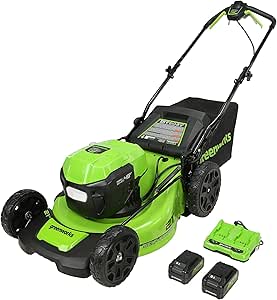
Greenworks 48V (24V x 2) 21-inch Self-Propelled Lawn Mower, Battery Kit

Orbit B-hyve XR 8-Zone Indoor/Outdoor Smart Sprinkler Controller

Orbit B-hyve Smart Indoor/Outdoor 12-Zone Sprinkler Controller
As an affiliate, we earn on qualifying purchases.
Seasonal Prunings Create Surplus
The advice is tied to the customary period of garden tidying, when leaves fall and gardeners cut back herbaceous plants and prune hedges, shrubs, trees and fruit bushes. In a small garden or allotment, the resulting material may fit into a compost bin. Larger quantities, or a glut of one type of waste, can make that harder and prompt some gardeners to burn the excess.
Amateur Gardening distinguishes ordinary waste from material it says should not go into a wildlife pile, particularly diseased plants. It also notes that green-waste services may process collected material at an industrial scale. The report presents its recommendations as practical gardening advice, not as a change in local rules or a formal environmental assessment.
““Wood collected into piles will gradually rot, returning nutrients to the soil, and provide shelter for insects, amphibians and hibernating mammals.””
— Amateur Gardening report
Local Rules and Site Conditions
The report does not specify where or when garden bonfires are legally permitted, and rules can depend on location. It also does not establish that every garden has enough space or suitable conditions for a wildlife pile, or quantify how much wildlife such a pile will attract. Readers should check local guidance for waste disposal and consider whether a proposed pile could cause a nuisance or create a safety issue.
The article says diseased material should be excluded from wildlife piles, but does not identify particular diseases or give disposal instructions for each one. Its recommendations therefore do not replace plant-specific advice or local green-waste guidance.
Choose a Suitable Waste Route
Gardeners can begin by separating material: compost suitable leaves and cuttings, keep thorny waste apart, and seek appropriate disposal for diseased plants. For excess healthy woody stems, the report suggests choosing a larger or smaller wildlife pile according to available space, or binding prunings into a compact roll.
Before burning any garden waste, readers should check local rules and consider smoke effects on neighbours. The report offers no regulatory update or follow-up data; its recommendations are to reuse suitable organic matter and leave some woody material to decay where it can provide shelter.
Key Questions
What can I do with garden waste instead of burning it?
Compost suitable leaves and cuttings, or place healthy woody prunings in a wildlife pile. The report also suggests tying stems into a compact roll for a smaller garden.
Should diseased or thorny plants go in a wildlife pile?
No. The report advises keeping obviously diseased material out of wildlife piles and separating thorny material to avoid hazards. It suggests burying thorny waste or using green-waste collection, subject to local guidance.
What animals can use a wildlife pile?
Amateur Gardening says piles can shelter insects, amphibians and hibernating mammals, including hedgehogs. The report does not guarantee which species will use a particular pile.
How can I make a wildlife pile in a small garden?
Place smaller amounts beneath evergreens, at the base of a dense hedge or in a tucked-away corner. Alternatively, bind prunings between two lengths of strong twine or wire and place the roll within dense shrubs.
Source: amateurgardening.com