
TL;DR

Get garden gear delivered free with Prime
- Fast, free delivery on millions of items
- Prime Video, Amazon Music and more included
- Member-only deals all year
Amateur Gardening has published five practical steps gardeners can try to reduce slug and snail damage as wet weather returns: water in the morning, encourage wildlife, use rough barriers, inspect containers and apply nematodes according to their label. The advice is not a guarantee of protection, and results may vary with conditions and garden.
Amateur Gardening has outlined five ways to help protect vegetable patches as wetter weather may encourage slugs and snails to return, including morning watering, wildlife habitats, barriers, container checks and nematodes. The advice, reported by Becky Bowden, offers possible ways to reduce crop damage, but does not promise a pest-free garden.
The report recommends watering in the morning rather than at night. Its explanation is that daylight gives the soil more time to dry, while slugs and snails tend to move in damp, dark conditions. Morning watering may also leave plants with more sunlight and airflow after being watered, which the report says could reduce the chance of fungal disease.
A second approach is to make the garden more welcoming to wildlife that may prey on slugs. Suggested features include log piles, ponds, rockeries and a leaf pile set away from vegetables. The article says hedgehogs may occasionally eat slugs and snails, while bird boxes, feeders, hedgerows, trees and shrubs may attract birds that could feed on them. These measures are not presented as a guarantee of pest control.
For physical barriers, the report suggests applying dry, coarsely crushed eggshells around plants, or trying untreated woodchips. Lawn care specialist Chrissie Handley told Amateur Gardening that eggshells should be left as small shards rather than ground finely. The article also mentions coffee grounds as a possible mild deterrent, but says they need replacing, particularly after heavy rain.
Protecting Crops in Wet Weather
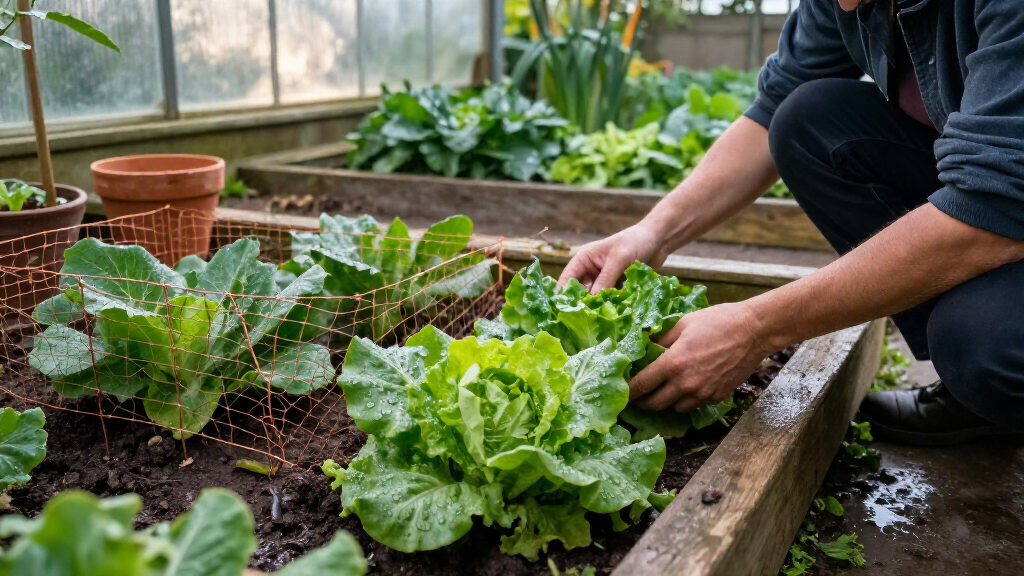
Slugs and snails can damage vegetables, so a return to damp conditions can prompt gardeners to take preventive steps before plants are eaten. The advice matters because it focuses on low-cost changes and regular checks, rather than relying on a single method. Morning watering, habitat changes and container inspections can be incorporated into routine garden care.
The report also makes clear that these steps vary in how they work: rough materials may impede access, wildlife may eat some pests, and coffee grounds may need frequent replacement. Treating the suggestions as options to test, rather than certain fixes, gives gardeners a more realistic basis for protecting crops.
Products Worth Considering

Rachio 3 Smart Sprinkler In-Ground WiFi Irrigation Controller, 8-Zone

AMERLIFE 10 × 44 ft Walk-In Tunnel Greenhouse with Watering System

Husqvarna Power Axe 350i 18-Inch Cordless Chainsaw Kit
As an affiliate, we earn on qualifying purchases.
Five Measures in the Report
The article frames the advice around a possible shift from a dry spell to wetter weather during the autumn. It presents five measures: changing watering time, supporting garden wildlife, placing rough materials around plants, checking planters and using nematodes. The source does not give a location-specific weather forecast or quantified estimates of crop losses.
Container plants expert Martine Davis advises checking under pots and trays and around dense foliage, where damp, dark hiding places can be missed. The final suggestion is to apply nematodes—microscopic worms identified in the report as Phasmarhabditis californica or Phasmarhabditis hermaphrodita—mixed with water. The article says to follow the product instructions.
“Crushed eggshells work well in deterring slugs and snails from eating your plants.”
— Chrissie Handley, lawn care specialist, speaking to Amateur Gardening
How Well Each Method Works
The source provides practical recommendations but does not report controlled tests, success rates or a comparison of the five methods. It describes eggshells as a deterrent and coffee grounds as a possible slight deterrent, while saying that nematodes may offer longer-term protection. How effective any option will be can depend on garden conditions and application, and the article gives no quantified outcome.
It is also not clear where or when the forecast return of wet weather applies, or how widespread slug activity is. The report does not specify product brands or provide separate safety guidance for nematodes. Gardeners using them should follow the product label, including any stated precautions.
Gardeners Can Monitor Results
The article’s advice is to combine measures where useful and watch how pests respond, since gardening involves trial and error. Gardeners can start with morning watering and regular checks, then test barriers or habitat changes while monitoring plants for fresh damage.
Anyone using nematodes should apply them with water as directed on the packet and follow its instructions. The source does not announce a follow-up study, official forecast update or scheduled review; the next practical step is observation through the growing season.
Key Questions
What are the five suggested ways to reduce slug damage?
The report recommends watering in the morning, encouraging wildlife, using rough materials around plants, checking under and around containers, and applying nematodes according to product directions.
Do eggshells guarantee protection from slugs?
No. The article presents dry, coarsely crushed eggshells as a deterrent suggested by lawn care specialist Chrissie Handley. It does not provide test results or claim that they will stop all slugs.
Where should gardeners look for hidden slugs?
Check beneath pots and trays, around thick foliage and in other dark, damp places. The report says slugs and snails may shelter in planters even when they are raised off the ground.
How should nematodes be applied?
The report says to mix them with water and apply them with a watering can fitted with a coarse rose. Follow the product label for the specific instructions and precautions.
Source: amateurgardening.com