TL;DR

Get garden gear delivered free with Prime
- Fast, free delivery on millions of items
- Prime Video, Amazon Music and more included
- Member-only deals all year
A Laidback Gardener report published Oct. 19, 2026, recounts how tomatoes and potatoes introduced to Europe took time to gain acceptance, partly because people regarded unfamiliar plants with suspicion. It also describes dahlias, cannas and edible flowers as edible plants that many people still overlook, while warning readers not to taste plants without confirming they are safe.
A Laidback Gardener report published Oct. 19, 2026, recounts how tomatoes and potatoes introduced to Europe faced suspicion before becoming familiar foods, and points to dahlias, cannas and edible flowers that many people still do not consider food. The article describes historical reluctance toward unfamiliar plants, but cautions readers to identify plants and verify they are edible before tasting them.
The tomato, Solanum lycopersicum, was known to the Aztecs in Mexico before Spanish travelers brought it to Europe in the 16th century. The report says it appeared in a European publication by 1544 and was already being eaten, although it was also grown for decoration. Some Europeans were wary because the tomato resembled bittersweet nightshade, a toxic plant in the same genus. The fruit gradually became part of cooking, particularly in Spain and Italy.
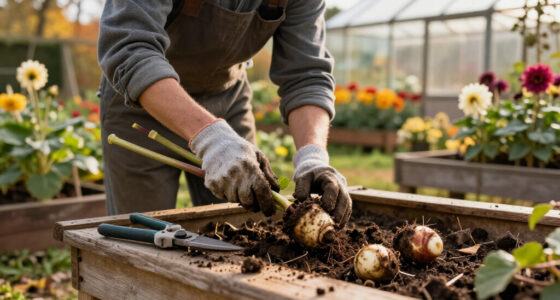
The potato, Solanum tuberosum, was domesticated in the Andes about 8,000 years ago and reached Europe with the Spanish in the 16th century. Its acceptance was slow in parts of Europe. French pharmacist and agronomist Antoine-Augustin Parmentier promoted potatoes as a potential food during an era of frequent famine, including by publishing recipes. A well-known account says he guarded a potato field by day so people would steal the crop at night. The report calls that story probably legendary, while crediting Parmentier with helping promote the potato.
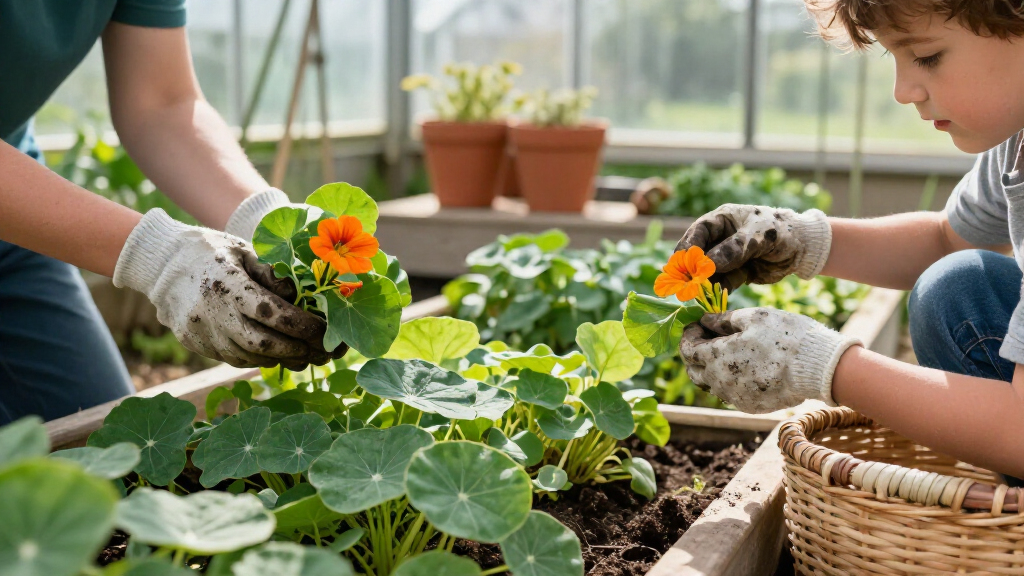
The report also highlights edible plants whose food uses are less familiar to many diners. Dahlia tubers were eaten by the Aztecs, but the plant became popular in Europe mainly for its flowers. Cannas can provide edible leaves, flowers, stems and immature seeds, while their starchy rhizomes are prized as food in parts of the Caribbean, Pacific islands, Africa and Asia. Flowers such as nasturtiums, pansies, calendulas and bee balm may also be edible when correctly identified and prepared.
How Familiar Foods Overcome Suspicion
The examples show how cultural familiarity shapes what people regard as food. A plant’s history, appearance and local uses can influence whether people accept it at the table; the report contrasts the tomato’s gradual incorporation into European cooking with the dahlia’s development primarily as an ornamental flower.
For gardeners and diners, the distinction has practical relevance: some plants grown for display have edible parts, but ornamental does not automatically mean safe to eat. The article’s examples may prompt curiosity about food plants, while its safety warning makes clear that curiosity alone is not a reliable guide to edibility.
As an affiliate, we earn on qualifying purchases.
From Andean Crops to European Kitchens
The report places these stories within a broader history of plants traveling between regions and entering new diets. It says bananas, pineapples and oranges were accepted relatively quickly by Europeans and their descendants, while other unfamiliar fruits and vegetables took much longer to gain trust. That contrast is the article’s central point: adoption was not uniform, even among plants brought from abroad.
In the cases described, unfamiliarity had different sources. Tomato fears were linked to its resemblance to a poisonous relative; potato acceptance was slow enough that Parmentier made a sustained effort to promote it. The dahlia followed a different path: its ornamental appeal eclipsed its food use after it arrived in Spain in the late 18th century. These accounts concern historical patterns, not evidence that every edible plant will become a common food.
““Although the story is probably legendary, Parmentier did indeed play an important role in promoting the potato.””
— Laidback Gardener report
As an affiliate, we earn on qualifying purchases.
Safety Depends on Correct Identification
The report names plants with edible parts but does not provide a complete safety guide, preparation instructions or a list of varieties that should be avoided. It also does not establish how common dahlia or canna consumption is in each region, or whether those plants are likely to become mainstream foods. Its prediction that dahlia tubers might appear on supermarket shelves is presented as speculation, not a confirmed development.
Readers should not infer that every flower or plant part mentioned is safe in every circumstance. Correct identification matters, and the article does not set out rules for harvesting or preparing each example. It warns that some plants are poisonous and advises confirming edibility before tasting anything.
As an affiliate, we earn on qualifying purchases.
The report describes renewed interest among some growers and gardeners in the culinary qualities of dahlia tubers, but gives no timeline, market data or confirmed plans for commercial sales. Its suggestion that dahlia tubers could eventually appear in supermarkets remains a possibility rather than a forecast backed by specific evidence.
For now, the immediate takeaway is historical and practical: tastes can change, but an unfamiliar garden plant should not be treated as food without reliable identification and safety information. The report does not announce a new product, research finding or regulatory change; whether interest in these plants grows beyond specialist growers remains to be seen.
As an affiliate, we earn on qualifying purchases.
Key Questions
What is the report about?
The Oct. 19, 2026, Laidback Gardener report describes how tomatoes and potatoes faced hesitation in Europe and identifies other plants, including dahlias and cannas, that have edible parts but are not widely recognized as food by everyone.
Why were some Europeans suspicious of tomatoes?
The report says some people noticed the tomato’s resemblance to bittersweet nightshade, a toxic plant in the same genus. Tomatoes were known in Europe by 1544 and gradually entered cooking, particularly in Spain and Italy.
Did Parmentier really guard potatoes to encourage people to steal them?
The guarded-field story is described as probably legendary. The report says Parmentier did promote potatoes, including through recipes, and played an important role in encouraging their consumption.
Which ornamental plants does the article say may be edible?
Examples include dahlia tubers, canna parts and flowers such as nasturtiums, pansies, calendulas and bee balm. The report does not provide a full identification or preparation guide.
Is it safe to eat flowers or plants from a garden?
Not without confirming the plant’s identity and edibility. The report warns that some plants are poisonous and does not recommend tasting unidentified plants.
Source: rss
Halloween Picks
halloween
As an affiliate, we earn on qualifying purchases.