
TL;DR

Get garden gear delivered free with Prime
- Fast, free delivery on millions of items
- Prime Video, Amazon Music and more included
- Member-only deals all year
An Ideal Home report recommends three steps to prepare UK lawns for forecast autumn and winter rain: aerate compacted soil, sow seed in thin areas and remove fallen leaves. The advice is based on lawn-care guidance from two industry representatives; the report does not establish that El Niño will cause specific conditions in every UK region.
An Ideal Home report recommends that UK gardeners aerate compacted lawns, sow grass seed in bare patches and clear fallen leaves as they prepare for forecast autumn and winter rain and storms. The measures are intended to improve drainage and reduce conditions that can harm grass, though the report does not establish that El Niño will bring the same weather to every area.
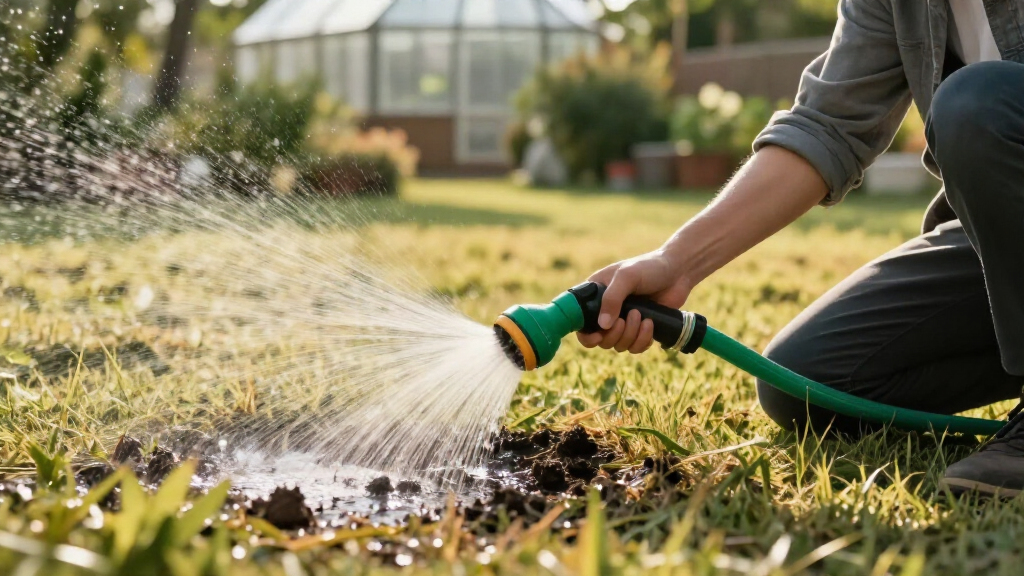
The first recommendation is to aerate compacted soil. The report says a hot summer can leave lawns dry and compacted, making it harder for water to soak in. Chris McIlroy of The Grass People said some soil may become hydrophobic, meaning water runs off the surface rather than soaking in. Aeration creates small holes that allow air into the soil and can relieve compaction.
The second step is to overseed thin or bare areas. McIlroy said grass absorbs rainwater better than bare soil, and that thicker, established lawns can have stronger roots. The report advises gardeners to check whether there is still time to sow seed in their local conditions; it does not give a universal sowing deadline or guarantee that new seed will establish.
The third measure is to remove fallen leaves and debris, particularly after rain or strong winds. Cheryl Harper, managing director of Greensleeves Lawn Care, said wet leaves can hold moisture against the grass, block sunlight and create conditions suited to moss and fungal diseases. She recommended raking regularly. The report describes these actions as preparation, not a guarantee against waterlogging or storm damage.
Three Steps to Reduce Lawn Stress
These tasks address different problems that can become more apparent in prolonged wet weather: compacted ground may shed water, bare patches leave soil exposed, and leaf cover can limit light and keep grass damp. Acting before the wet period may help lawns stay healthier and reduce pooling, although the result will depend on soil, drainage, grass type and local weather.
The advice is relevant to householders planning routine garden work, but it is not a regional forecast or a promise that a lawn can be protected from flooding. Gardeners should follow seed-pack instructions and choose work according to their lawn’s condition and the weather where they live.
Products Worth Considering

Husqvarna Automower 550 Commercial Robotic Lawn Mower

EGO POWER+ LB7654 Cordless Leaf Blower with 5.0Ah Battery

Greenworks 48V Brushless 3-in-1 Leaf Blower, Vacuum, and Mulcher with Two 4.0Ah Batteries
As an affiliate, we earn on qualifying purchases.
Why El Niño Is Mentioned
The source report links its lawn advice to El Niño and anticipated UK autumn-winter weather. It describes El Niño as a recurring climate pattern associated with warmer sea-surface temperatures and says it can affect weather patterns, including the risk of heatwaves and colder UK winters. The report characterises the coming event as particularly strong, but provides no forecast agency, probability, or regional breakdown to support that description.
Its practical lawn-care case also rests on the effects of a dry, hot summer: soil may be compacted, while rainfall can run off rather than soak in. These are claims and advice presented in the report, including comments from lawn-care professionals; they are not a specific measurement of conditions across UK lawns.
“Aerating the lawn relieves some of this compaction. It involves creating small holes in the soil to allow air circulation.”
— Chris McIlroy of The Grass People
Local Rainfall and Lawn Conditions
The report does not identify a named meteorological service, forecast probabilities, dates for the expected storms, or which UK regions may be affected. It also gives no evidence that El Niño alone will cause flooding in a particular garden. Local forecasts and site conditions will shape the risk, including soil type, slope and existing drainage.
The source does not provide a precise cutoff for sowing seed or quantify how much aeration, overseeding or raking changes flood risk. Its recommendations should be read as general lawn-care guidance, not as a guarantee that grass will survive severe rain or waterlogging.
Check Forecasts Before Lawn Work
Gardeners can inspect their lawns for hard, compacted ground, thin patches and leaf build-up, then carry out suitable work when conditions allow. They should check local weather forecasts and follow the instructions supplied with any seed or equipment. The report offers no later forecast update or scheduled follow-up, so the timing and severity of the expected wet weather remain subject to current local information.
Key Questions
What are the three recommended lawn-care steps?
The report recommends aerating compacted soil, overseeding thin or bare patches, and regularly clearing fallen leaves and debris.
Why aerate a lawn before wet weather?
Aeration creates small holes in compacted soil. Chris McIlroy of The Grass People said this can relieve compaction and allow air circulation; the report links compacted or hydrophobic soil with water running off rather than soaking in.
Does overseeding prevent lawn flooding?
No guarantee is given. McIlroy said grass absorbs rainwater better than bare soil, so filling thin patches may help, but the report does not claim overseeding prevents flooding or waterlogging.
How often should fallen leaves be removed?
Cheryl Harper of Greensleeves Lawn Care recommended a quick rake every few days, especially after heavy rain or strong winds. The frequency needed will depend on how many leaves collect on the lawn.
Will El Niño bring the same wet weather across the UK?
The report does not provide a regional forecast or confirm that every area will experience the same conditions. Gardeners should check local forecasts for timing and expected rainfall.
Source: rss