TL;DR

Get garden gear delivered free with Prime
- Fast, free delivery on millions of items
- Prime Video, Amazon Music and more included
- Member-only deals all year
A Country Living gardening report outlines four fall planting mistakes that may leave trees and shrubs struggling: untreated circling roots, planting too deeply, inadequate watering during establishment and mulch piled against the trunk. It recommends exposing the root flare, checking soil moisture and keeping mulch away from bark.
A Country Living gardening report identifies four mistakes that can undermine newly planted trees and shrubs: leaving circling roots intact, planting too deeply, failing to provide enough water during establishment and piling mulch against the trunk. For more on planting shrubs and perennials, see this fall planting advice. The advice matters because plants may appear fine above ground while root problems develop, potentially affecting growth over time.
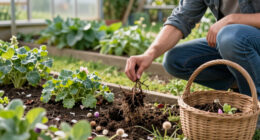
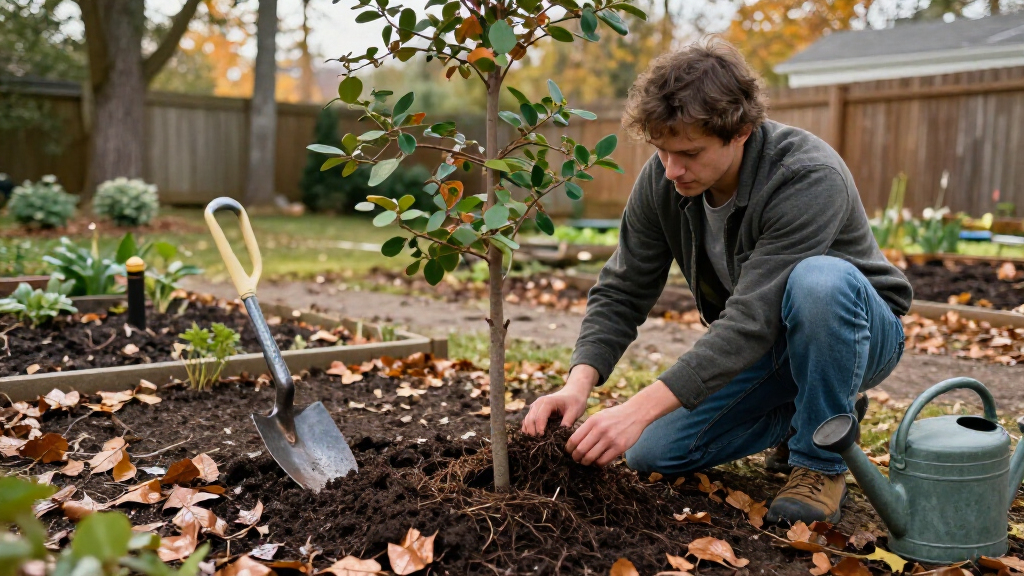
The report says roots that have grown in circles inside a nursery pot can continue that pattern after planting if they are not loosened and redirected. It describes possible consequences as stunted growth, reduced access to nutrients and trunk girdling, in which roots grow around and constrict the trunk. The report advises inspecting the roots, loosening surrounding soil and spreading healthy roots outward; large, tight problem roots may need to be cut.
A second risk is burying the root flare, the area where the trunk widens into the roots. Country Living says the flare should remain visible at or slightly above the soil line. Its guidance is to dig a hole about twice as wide as the root system but no deeper, and to keep the bottom firm so the plant does not sink.
For watering, the report recommends a thorough initial soaking and regular checks while roots establish. Gardeners should check soil near the root ball rather than assume rain is enough or follow a rigid schedule: water slowly and deeply when the soil is drying, and wait if it remains wet. The aim is moist, not waterlogged, soil. For mulch, it suggests a two- to three-inch layer over the root zone, kept a few inches from the trunk so bark and root flare remain exposed.
How Planting Errors Affect Establishment
These recommendations address problems that can be easy to miss at planting time. A tree or shrub may not show immediate signs of stress even if its roots are constrained, its root flare is buried or moisture is poorly managed. The report says such conditions can affect growth and, in the case of girdling roots or bark decay, harm the plant over time.
For readers planting in fall, the practical point is that cooler weather alone does not guarantee successful establishment. Root placement, soil moisture and mulch position all need attention after the plant comes out of its container. Checking these details at planting can help avoid problems that may be harder to correct later.
Products Worth Considering

AMERLIFE 34 x 10 x 7 ft Walk-In Tunnel Greenhouse with Watering System

Greenworks 48V Brushless 3-in-1 Leaf Blower, Vacuum, and Mulcher with Two 4.0Ah Batteries

EGO Power+ 16 Cordless Chainsaw (CS1611) with 56V 2.5Ah Battery and Charger
As an affiliate, we earn on qualifying purchases.
Why Fall Planting Needs Follow-Up
Country Living describes fall as a potentially suitable planting period: cooler conditions can make outdoor work more comfortable, while warm soil may give roots time to settle before winter. Those seasonal advantages do not remove the need for correct planting and follow-up care.
The report focuses on newly planted trees and shrubs, particularly the transition from a nursery container to garden soil. It does not identify a specific species, climate zone or planting date, so its guidance is general rather than tailored to every local condition. Its central distinction is between a plant looking settled above ground and its roots having the space and moisture needed to establish.
“The goal is moist soil, not waterlogged soil.”
— Country Living report
Limits of the Planting Advice
The source provides general gardening guidance but does not specify which tree or shrub species, soil types or regional weather conditions its recommendations cover. Water needs and the timing of planting can vary with local conditions, and the report does not set a universal watering frequency.
It also does not quantify how often these errors occur or how many years a plant may be affected. The headline describes the possibility of long-term struggle; the source’s specific statements are that these mistakes can cause problems such as stunted growth, girdling, bark decay or inadequate establishment. Those outcomes are risks, not a claim that every affected plant will experience them.
Checks to Make After Planting
Gardeners can apply the report’s checks at planting and during establishment: inspect and spread roots, keep the root flare visible, water according to soil moisture and maintain a shallow mulch layer that does not touch the trunk. After planting, checking the root-ball area helps determine whether more water is needed.
The source does not announce a follow-up study or a particular next milestone. Local growing conditions and plant type remain relevant, so gardeners may need species-specific or regional advice in addition to these general steps.
Key Questions
What four fall planting mistakes does the report identify?
It lists untreated circling roots, planting too deeply, insufficient watering during establishment and piling mulch against the trunk.
How can I tell where a tree’s root flare is?
The root flare is where the trunk widens into the roots. The report advises clearing soil and mulch from the plant’s base until the flare is visible, then keeping it at or slightly above the soil line.
How often should a newly planted tree be watered?
The report does not give a fixed schedule. Check soil near the root ball: water slowly and deeply when it is drying, and wait while it remains wet.
How should mulch be placed around a new tree?
Spread a thin, even layer about two to three inches deep over the root zone, leaving a gap of a few inches around the trunk. Do not cover the root flare or press mulch against the bark.
Source: rss