
AIThis post was created with the assistance of artificial intelligence (AI).
TL;DR

Before you orderOffer from Amazon
Get garden gear delivered free with Prime
- Fast, free delivery on millions of items
- Prime Video, Amazon Music and more included
- Member-only deals all year
Start your free Prime trial Free trial for eligible customers · Cancel anytime
As an affiliate, we earn on qualifying purchases.
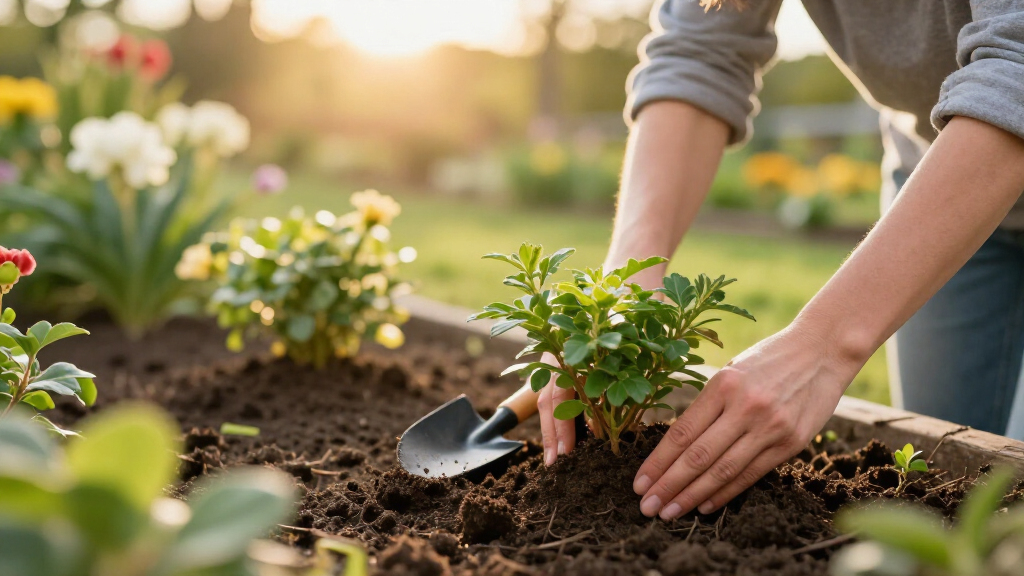
Gardeners are increasingly adopting a secret extra step when planting shrubs and perennials in fall to enhance plant survival. This trend is gaining attention amid rising interest in fall gardening. The specific technique is not yet confirmed publicly.
At a glance
reportWhen: developing; trend gaining traction in r…
The developmentA gardening trend suggests adding an unspecified ‘secret extra’ to planting holes in fall to improve plant success, sparking widespread interest among enthusiasts.
Implications for Fall Gardening Success
This trend, if validated, could lead to improved survival rates for fall-planted shrubs and perennials, especially in regions with harsh winter conditions. Gardeners adopting this extra step may see healthier, more vigorous plants in spring. However, without official confirmation or scientific studies, the effectiveness and safety of the method remain uncertain. The growing interest indicates a desire among gardeners to optimize fall planting outcomes, potentially influencing nursery practices and gardening advice. If proven effective, this technique could become a standard step in autumn planting routines, reducing plant loss and increasing landscape success. Conversely, reliance on unverified methods could lead to inconsistent results, emphasizing the need for further research.Products Worth Considering

Orbit B-hyve XD 4-Port Smart Hose Watering Timer with Wi-Fi Hub

EGO Power+ SNT2420 24-Inch Two-Stage Self-Propelled Snow Blower (Battery and Charger Not Included)

Solo Stove Basecamp 24-Inch Smokeless Wood-Burning Fire Pit with Stand
As an affiliate, we earn on qualifying purchases.
Rise of Fall Planting Strategies Amid Growing Interest
Fall planting has gained popularity among gardeners seeking to extend the growing season and prepare landscapes for winter. Traditionally, planting shrubs and perennials in autumn is considered riskier due to cold temperatures and soil conditions. Recent trends show an increase in advice and tips shared online, with some gardeners experimenting with various soil amendments and techniques to improve success. The current trend of adding a ‘secret extra’ appears to be a response to these challenges, driven by anecdotal reports rather than scientific validation. The origin of this specific method is unclear, but it coincides with a broader movement toward optimizing fall gardening practices. Search interest and social media discussions about fall planting techniques have surged, indicating a rising curiosity and willingness to try new methods, despite the lack of formal endorsement.Unconfirmed Details of the ‘Secret Extra’ Method
It is not yet clear what exactly the ‘secret extra’ involves—whether it is a specific soil amendment, organic additive, or other material. No official sources have disclosed the precise technique or its scientific basis. The effectiveness remains anecdotal, and some experts caution against adopting unverified methods without further evidence. The origin of this trend and whether it is backed by any scientific research are still unknown.Next Steps for Validation and Adoption
Researchers and horticultural organizations are expected to investigate this trend further through controlled experiments. Meanwhile, gardeners are advised to approach the technique cautiously and consider existing proven practices for fall planting. As interest grows, more detailed information and scientific validation may become available, potentially influencing future gardening guidelines. Gardeners interested in trying the method should monitor updates from reputable sources and consider testing it on a small scale first.Key Questions
What exactly is the ‘secret extra’ added to planting holes?
The specific material or technique remains undisclosed; it is currently based on anecdotal reports and speculation.Is this method scientifically proven to improve plant survival?
No, there is no scientific validation yet. Experts advise caution and recommend proven planting practices.Can I try this technique in my fall garden?
You can experiment cautiously, but be aware that its effectiveness is unconfirmed. Use small test plots and monitor results.Where did this trend originate?
The origin is unclear; it appears to have emerged from online gardening communities and anecdotal sharing without formal endorsement.Will this become a standard practice?
That depends on scientific validation and widespread adoption. Currently, it remains a trending anecdotal method awaiting confirmation.Source: rss