TL;DR

Get garden gear delivered free with Prime
- Fast, free delivery on millions of items
- Prime Video, Amazon Music and more included
- Member-only deals all year
Gardening Know How’s late-fall pruning guide identifies peonies, hostas, bearded irises, daylilies, summer-fruiting raspberries, grapevines and cold-hardy lavender as candidates for pruning before winter. The timing depends on local weather and plant condition; healthy foliage on several perennials should remain until it dies back.
Gardening Know How’s late-fall pruning report names seven plants that gardeners may trim before winter: peonies, hostas, bearded irises, daylilies, summer-fruiting raspberries, grapevines and cold-hardy lavender. The advice is not a universal November deadline: local climate, weather and plant dormancy affect when to make cuts, and some plants should be left alone until their foliage has died back.
For peonies and hostas, the report recommends removing foliage after it has yellowed or browned, rather than cutting healthy green leaves early. See these winter protection tips for more ways to prepare plants for cold weather. Peony foliage can harbor fungal spores over winter, according to the guide. With both plants, cut back without damaging the crown; diseased material should go in the garbage, not the compost.
Bearded irises and daylilies also need their healthy green leaves left in place while they gather energy for the next growing season. Once the foliage begins dying back, the report says to cut iris fans to about 4 to 6 inches (10 to 15 cm) and daylily leaves to a few inches above the ground. In warmer areas, daylily trimming may wait until December.
For summer-fruiting raspberries, remove the older, woody canes that produced fruit this year, cutting them to the ground. For more on pruning at the right time, see these late-summer pruning tips. Keep the newer green canes, which will bear next year’s crop, and secure them against winter winds. Grapevines should be pruned while dormant but before hard freezes make the wood brittle; remove dead, damaged or poorly positioned growth, while keeping the main trunk and arms. Cold-hardy lavender, such as English lavender, can be cut back by about one-third before severe freezing weather, the report says. Other plants may also need protection before a harsh winter.
Protecting Next Year’s Growth
Late-fall pruning can serve different purposes: removing foliage that may carry disease, clearing dead growth, protecting shrubs from winter damage, or maintaining fruiting plants for the next season. But the same action can be harmful if done at the wrong time. Cutting green iris or daylily leaves too soon may remove foliage the plants still use to gather energy, while cutting new raspberry canes risks reducing next year’s fruit.
The practical takeaway is to identify the plant and its growth cycle before pruning, rather than treating November as a fixed cutoff. Plant condition and local weather determine whether a task is timely; in warmer climates, some work may need to wait.
Products Worth Considering

Solo Stove Ranger 2.0 15-Inch Smokeless Fire Pit with Stand

Greenworks 60V Cordless Leaf Blower with 2.5 Ah Battery and Charger

EGO POWER+ Cordless Electric Leaf Blower 530 CFM with Battery (LB5302)
As an affiliate, we earn on qualifying purchases.
Timing Depends on Plant Dormancy
The report distinguishes between herbaceous perennials, fruiting plants and shrubs instead of giving one schedule for all garden pruning. Perennial foliage is generally cut back after it dies, while deciduous shrubs should be pruned when dormant, according to Gardening Know How. Dormancy lowers the likelihood that a pruning cut will prompt vulnerable new growth.
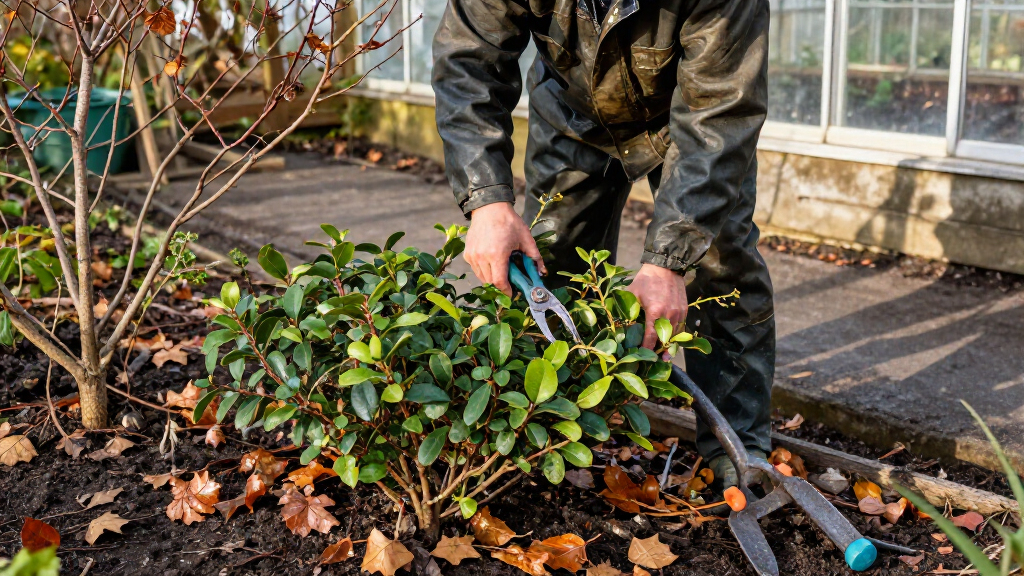
For all the plants listed, the source advises using sharp, clean tools and disinfecting blades between plants, with rubbing alcohol or a bleach solution offered as options. Make clean cuts and avoid damaging perennial crowns. Remove broken, damaged or diseased stems when needed, and dispose of diseased material in household garbage rather than compost.
Local Conditions Set the Date
The guidance does not establish a single date that applies to every garden. Climate, this year’s weather and the plant’s condition can shift the appropriate pruning window, and the report notes that warmer regions may need to wait longer. Its source text also introduces a section on plants not to prune in November but does not include the list, so it does not provide a complete account of which other plants should be left uncut.
The advice is general gardening guidance, not a site-specific assessment. Gardeners should verify the needs of their particular plant and local growing conditions before pruning, especially where a plant’s identity or condition is uncertain.
Check Plants Before Cutting
Before pruning, inspect each plant for dead or diseased growth and check whether foliage is still green. Confirm that raspberry canes are the older, fruited stems before cutting, and wait for grapevines to become dormant while avoiding a period when hard freezes have made them brittle. For lavender, the report’s suggested trim applies to cold-hardy types, such as English lavender, before severe freezing weather.
Gardeners can then adjust the work to local conditions rather than treating November as a firm deadline. Use clean, sharp tools, disinfect them between plants and keep cuts clear of perennial crowns.
Key Questions
Which seven plants does the report say may need pruning before winter?
Peonies, hostas, bearded irises, daylilies, summer-fruiting raspberries, grapevines and cold-hardy lavender are the seven plants named in Gardening Know How’s report.
Should green iris and daylily leaves be cut back in November?
No. The report says to leave healthy green foliage in place so the plants can gather energy. Cut it back after it begins dying; timing can be later in warmer climates.
Which raspberry canes should be removed?
Cut the older, woody canes that fruited this year to the ground. Keep the newer green canes, which can produce next year’s berries, and secure them against winter wind.
How much should cold-hardy lavender be cut back?
The report recommends trimming cold-hardy lavender, such as English lavender, by about one-third before severe freezing weather. The timing and suitability can depend on local conditions and the type of lavender.
What should gardeners do with diseased prunings?
Gardening Know How advises putting diseased plant material in the garbage rather than the compost. It also recommends using sharp, clean tools and disinfecting blades between plants.
Source: gardeningknowhow.com