
TL;DR

Get garden gear delivered free with Prime
- Fast, free delivery on millions of items
- Prime Video, Amazon Music and more included
- Member-only deals all year
Garden experts recommend specific fall planting strategies for crocuses to achieve a colorful spring display. Proper timing, soil prep, and planting depth are key. Uncertainty remains around optimal planting conditions in different climates.
Garden experts advise planting crocuses in the fall to ensure a vivid display of blooms next spring. This timing is confirmed as the most effective for establishing healthy bulbs that will sprout early in the season, making it a popular topic amid rising interest in early spring gardening preparations.
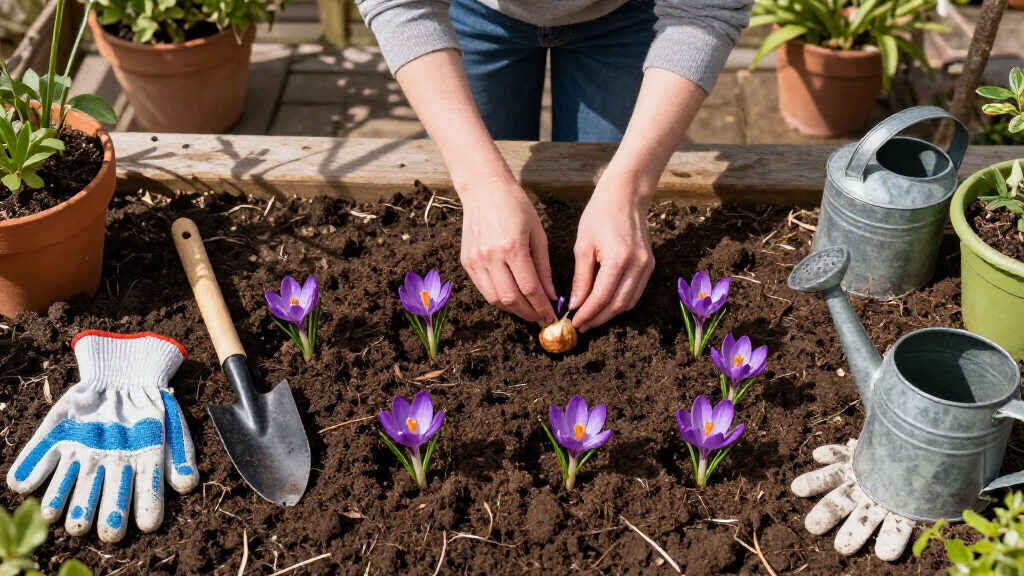
According to horticultural specialists, the best time to plant crocuses is in the early fall, typically from September to October, depending on local climate conditions. Proper planting involves choosing well-drained soil, planting bulbs at a depth of about 3-4 inches, and spacing them 2-3 inches apart. These practices promote healthy root development and prevent rot, which is a common issue if bulbs are planted too shallow or in poorly drained soil.
Experts warn against common mistakes, such as planting too late in the season or in overly wet soil, which can hinder bulb growth and reduce bloom quality. Some advise adding compost or organic matter to improve soil fertility and drainage, especially in areas with heavy clay or compacted soil. Mulching after planting can also protect bulbs from extreme winter temperatures and soil heaving.
While planting tips are widely shared, some uncertainties remain about the precise timing for different USDA zones and how early snowfall or cold snaps might impact bulb viability. Gardeners are encouraged to adjust planting dates based on local weather patterns and to consult regional gardening resources for tailored advice.
Why Fall Planting Is Critical for Crocus Success
This advice matters because proper fall planting directly influences the health, bloom quality, and longevity of crocuses in spring. By following expert recommendations, gardeners can maximize their chances of achieving a lush, colorful carpet of crocuses, which can boost curb appeal and early-season enjoyment. Additionally, understanding common mistakes helps prevent costly or disappointing results, especially for novice gardeners aiming for their first vibrant display.Products Worth Considering

Greenworks 80V 21-Inch Self-Propelled Lawn Mower with 4.0Ah Battery and Charger

Husqvarna Automower 550 Commercial Robotic Lawn Mower

EGO POWER+ 21-Inch Cordless Self-Propelled Lawn Mower Kit, LM2135SP
As an affiliate, we earn on qualifying purchases.
Spring Blooming Crocuses and Fall Planting Practices
Crocuses are among the earliest bulbs to bloom in spring, often emerging through snow or early warmth, making fall planting essential for their development. Historically, planting crocuses in September or October has been the standard advice, but recent interest has surged as homeowners seek early color after long winters. This trend is driven by increased gardening enthusiasm and a desire for early-season floral displays, though specific regional planting windows can vary.
While experts agree on the general timing, some regions experience unpredictable weather, leading to debates about the optimal planting window. The unconfirmed trigger for this rising interest appears to be a broader trend toward early gardening and landscaping, but no formal studies confirm this surge. It remains uncertain whether climate variations will shift ideal planting periods further into the fall or early winter.
Unconfirmed Factors Affecting Fall Crocus Planting
It is not yet clear how different regional climates and weather patterns will influence the optimal planting window for crocuses. While general advice exists, local variations in soil conditions, early frosts, and snowfall may require adjustments. The recent surge in interest may also be influenced by unconfirmed trends, and more research is needed to establish precise, region-specific guidelines.Next Steps for Gardeners Planning Fall Crocus Planting
Gardeners are advised to identify their local planting window based on regional climate zones and to prepare soil in advance. Experts recommend sourcing healthy bulbs and following best practices for planting depth and spacing. Monitoring weather forecasts in the coming weeks will help determine the best time to plant. Additionally, regional gardening resources may soon publish tailored advice to address local conditions and help gardeners optimize their results for next spring’s display.Key Questions
When is the best time to plant crocuses in fall?
Most experts recommend planting crocuses in early fall, typically from September to October, depending on your region’s climate and first frost dates.
How deep should I plant crocus bulbs?
Crocus bulbs should generally be planted about 3-4 inches deep, with the pointed end facing upward, to promote healthy growth and protect against winter cold.
Can I plant crocuses in poorly drained soil?
No, crocuses prefer well-drained soil. If your soil retains too much moisture, consider amending it with organic matter or planting in raised beds to prevent bulb rot.
What are common mistakes to avoid when planting crocuses?
Common mistakes include planting too late in the fall, planting in overly wet or compacted soil, and planting bulbs too shallowly. Proper timing, soil prep, and planting depth are key to success.
Will early snowfall affect my crocus bulbs?
Uncertain. While mulch can protect bulbs from extreme cold, unexpected early snow or frost may impact emerging shoots. Monitoring weather forecasts can help plan additional protection if needed.
Source: rss