
TL;DR

Get garden gear delivered free with Prime
- Fast, free delivery on millions of items
- Prime Video, Amazon Music and more included
- Member-only deals all year
A report by Ideal Home, citing two UK legal experts, says the owner or occupier of a property is generally responsible for clearing leaves and branches that land there after a storm. A neighbour may face a claim if they knew or reasonably should have known a tree posed a risk and failed to take reasonable care; a healthy tree damaged by exceptional weather does not automatically make its owner liable.
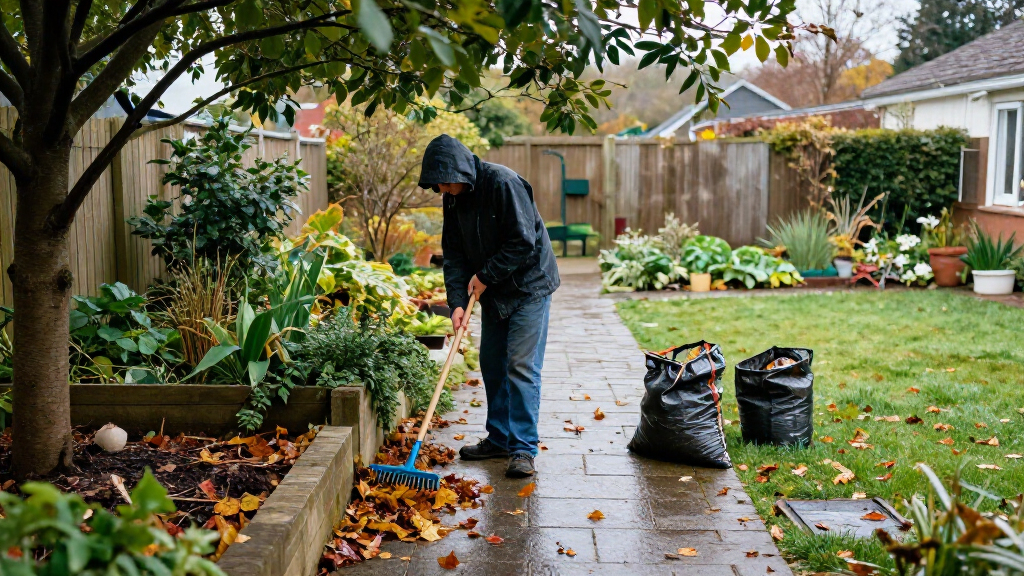
Homeowners generally have to clear leaves and branches that a storm blows onto their own property, even when the tree stands next door, according to legal experts cited by Ideal Home. The guidance says a neighbour is not automatically liable for ordinary storm debris, though a claim may be possible if the tree was known to be unsafe and reasonable care was not taken.
Daniel Stern, a partner and head of property litigation and contentious probate at Slater Heelis Solicitors, told Ideal Home that the owner or occupier of the land where debris lands is usually responsible for clearing it. A neighbour is not normally liable simply because leaves from their tree have blown across a boundary. If a healthy tree loses a branch in exceptional weather, Stern said, the affected homeowner will generally need to deal with the debris on their property.
Damage and cleanup are separate questions. Stern said homeowners whose property is damaged may need to make a claim through their buildings or contents insurance. Whether the tree owner could also be liable depends on evidence about the tree’s condition and what the owner knew or should reasonably have addressed.
Paula Moses, legal director in the commercial dispute resolution team at Blacks, said a claim could arise if a tree caused injury or property damage and its owner failed to take reasonable care over a foreseeable risk. A diseased or structurally unsafe tree may be relevant, but disease on its own does not establish liability. A healthy tree falling during a storm is not automatically evidence of negligence, she said.
Who Pays for Storm Cleanup
The guidance matters to residents facing cleanup after severe weather because debris crossing a property line does not, by itself, shift the cleanup duty to the tree’s owner. That distinction can help neighbours set realistic expectations and avoid treating an unwelcome pile of leaves as proof of legal wrongdoing.
It also separates routine cleanup from a possible claim over damage, injury or an ongoing safety risk. Where a roof, fence or other property has been damaged, the condition of the tree and the history of any warnings may matter. The source does not say that every damaged tree leads to liability; it describes circumstances in which a claim may be considered.
For households unable to clear debris themselves, the practical impact can be significant. Moses said a neighbour can be asked to help, but any assistance would usually be voluntary rather than legally required. A friendly discussion or mutually agreed help may resolve the problem without turning routine storm cleanup into a dispute.
Products Worth Considering

Greenworks 60V Cordless Leaf Blower with 2.5 Ah Battery and Charger

EGO POWER+ Cordless Electric Leaf Blower 530 CFM with Battery (LB5302)

EGO POWER+ Cordless Leaf Blower, 765 CFM, with 5.0Ah Battery (LB7654)
As an affiliate, we earn on qualifying purchases.
Tree Condition Shapes Liability
The Ideal Home report addresses gardens affected by storm debris, including leaves and branches blown in from adjoining land. It refers to Storm Babet and Storm Ciarán as recent examples in its discussion, but does not give a publication date or provide evidence about how many properties were affected. Its central point is the distinction between natural debris and a foreseeable danger associated with a neglected tree.
The experts’ comments describe general legal principles, not a ruling on an individual dispute. Evidence of prior knowledge could matter if a tree was visibly diseased, damaged or structurally unsafe before it caused harm. The article advises concerned residents to speak with the neighbour and ask whether a suitably qualified tree surgeon has inspected the tree.
If concerns remain and a resident believes there is a genuine safety risk, Stern recommends keeping a written record of the concern. Such a record may help establish what was raised and when if damage occurs later. The report does not set out a specific legal process or say that writing to a neighbour guarantees a claim.
“In most cases, the owner or occupier of the land where leaves or branches have fallen will be responsible for clearing them from their own property.”
— Daniel Stern, partner and head of property litigation and contentious probate at Slater Heelis Solicitors
What Evidence Could Matter
The source does not describe a specific homeowner’s dispute, identify a particular tree, or report a legal decision. It is therefore general guidance, not a finding about an individual neighbour’s responsibility. Whether a claim could succeed would depend on evidence about the tree’s condition, whether its owner knew or should have known of a risk, and whether reasonable care was taken.
The report also gives no figures for storm damage or the number of gardens affected, and it does not establish when it was published. A neighbour’s refusal to help clear ordinary leaves does not, on the account provided, establish that they are responsible for damage or that the tree presents a safety hazard.
Steps for Affected Homeowners
Residents dealing with debris can first clear what has landed on their property and check for damage. If a building or belongings have been affected, the report says they may need to contact their buildings or contents insurer. Anyone worried that a neighbour’s tree is damaged or unsafe can raise the concern directly and ask whether a qualified tree surgeon has assessed it.
If the concern is not addressed and the risk appears genuine, Stern advises putting it in writing and keeping a record. Neighbours can also agree informally to share the work or its cost, but the experts say that arrangement would generally be a matter of goodwill. The source sets no deadline or next official review; what happens in any particular case will depend on the tree, any resulting damage and the available evidence.
Key Questions
Who usually clears leaves and branches from a neighbour’s tree?
According to the legal experts cited by Ideal Home, the owner or occupier of the property where the debris lands is generally responsible for clearing it, even if it came from a neighbour’s tree.
Does a neighbour have to help remove fallen leaves?
The report says there is generally no legal obligation for a neighbour to clear leaves that have naturally fallen onto someone else’s property. They may agree to help, but that would usually be voluntary.
Can a tree owner be liable if a branch causes damage?
Possibly, if the tree posed a foreseeable risk and its owner failed to take reasonable care. The experts say a healthy tree falling during a storm does not automatically amount to negligence, and disease alone does not prove liability.
What should I do if I think a neighbour’s tree is unsafe?
Raise the concern with the neighbour and ask whether a suitably qualified tree surgeon has inspected it. If a genuine risk remains, the report advises keeping a written record of the concern.
Source: idealhome.co.uk