TL;DR
Country Living’s gardening guide says many perennials can be divided in spring as shoots emerge or in fall, when mild weather gives plants time to establish roots. It advises avoiding flowering time and midsummer heat, and recommends replanting divisions promptly, watering them as they settle in and not fertilizing immediately.
Country Living has published a guide to when gardeners can divide established perennials and how to replant the resulting sections. It recommends working in spring as shoots emerge or in fall, while avoiding plants in bloom and midsummer heat, when moving them can add stress.

Get garden gear delivered free with Prime
- Fast, free delivery on millions of items
- Prime Video, Amazon Music and more included
- Member-only deals all year
The guide says division may be due when a perennial has grown overcrowded, spread into nearby plants or stopped blooming as well as it once did. A sparse or scraggly-looking center can also be a sign that a plant such as an iris may benefit from division. Changes in the garden, including a tree casting more shade or shrubs crowding a bed, can be another reason to move or split a plant.
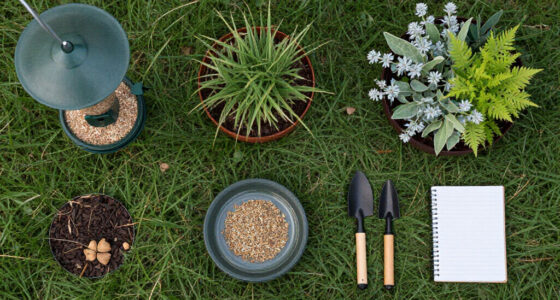
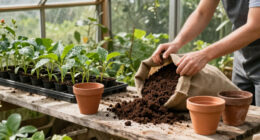
To divide a plant, first choose the new planting spot so the division can be moved promptly after it is lifted. A garden spade or fork can loosen the whole plant or cut away an outer section; a garden knife may help with tough, fibrous roots. Replant at the original depth in a hole about two to three times the size of the division, backfill, firm the soil and water well.
Country Living advises against fertilizing immediately after replanting and recommends keeping the soil slightly damp while roots establish, without leaving it sopping wet. It names daylilies, asters, bee balm, hostas, irises, peonies, sedum and ferns among perennials that are generally easy to divide. Plants with deep taproots, such as baptisia and lupines, and woody-based plants such as lavender and Russian sage are described as poor candidates.
A Practical Way to Renew Garden Beds
Dividing can help gardeners address crowding and reduced flowering, while also producing sections to fill bare places elsewhere in a bed. The guide also notes that divisions can be shared or traded with neighbors, making one established plant a possible source of additional plants.
Timing and aftercare matter because a newly moved section needs time to form roots. Choosing a suitable weather window and watering during establishment may help reduce stress, though the source cautions that even a correctly handled transplant may not survive. The advice is practical rather than a guarantee of success.
Products Worth Considering

VEVOR Walk-in Tunnel Greenhouse, 15 x 7 x 7 ft Hoop House with Watering System

Orbit B-hyve XD 4-Port Smart Hose Watering Timer with Wi-Fi Hub

Greenworks 40V Cordless Brushless Leaf Blower with 4.0Ah Battery and Charger
As an affiliate, we earn on qualifying purchases.
Seasonal Windows and Plant Limits
The guide identifies spring and fall as the main windows for division. In spring, gardeners can work as green shoots begin to emerge. In fall, mild temperatures and often more plentiful rainfall can support establishment; the guide recommends finishing about four to six weeks before the ground freezes locally.
It says some gardeners favor dividing spring-flowering plants in fall and fall-flowering plants in spring, but presents that as a rule of thumb rather than an absolute requirement. The author says plants of different types can be divided at other workable times in fall if they are kept watered. The clearest cautions are to avoid division while a plant is flowering and during very hot midsummer weather.
“Divisions need to go into the ground ASAP for their best chance at surviving.”
— Country Living gardening guide
Local Conditions Shape the Timing
The guide does not give a single calendar date for dividing: the right window depends on local weather, the timing of ground freeze and the plant’s growth stage. It also does not specify a watering schedule, since rainfall, soil and heat vary from garden to garden.
Some plants may take years to flower again after division, and a transplant can fail despite careful handling. The article does not promise that every listed perennial will respond the same way in every location or garden condition.
Choose a Window and Monitor Growth
Gardeners considering division can first check whether a plant is crowded, blooming less or affected by a change in light or space. They can then select a spring or fall window suited to local conditions, prepare the receiving spot and gather a spade or fork, a garden knife if needed, and a container for moving the plant.
After replanting, the next step is to watch soil moisture and keep it slightly damp during establishment, especially through hot, dry spells. The guide gives no fixed follow-up date for flowering; some perennials may take a few years to bloom again, while others may not survive the move.
Key Questions
When is the best time to divide perennials?
Spring, as shoots emerge, or fall are the main windows in the Country Living guide. In fall, it recommends completing the work about four to six weeks before the ground freezes in your area.
When should I avoid dividing a perennial?
Avoid dividing plants while they are flowering and during very hot midsummer weather, when the move may add stress.
Which perennials are easiest to divide?
The guide lists daylilies, asters, bee balm, hostas, irises, peonies, sedum and ferns, among others, as generally easy choices. It cautions against plants with deep taproots or woody bases.
How should I care for a newly divided plant?
Replant it promptly at its original depth, water well and keep the soil slightly damp as roots establish. The guide advises against fertilizing immediately after division.
Source: rss