TL;DR
Gardening Know How describes six ways to protect winter vegetables from cold without a greenhouse: fleece, bottle cloches, low tunnels, soil mulch, cold frames and sheltered spots for pots. The methods suit different conditions; the report says light covers can help during frosty nights, while prolonged freezes may require several layers of protection.
Gardening Know How has outlined six ways to protect winter vegetables from frost without a greenhouse, including covering beds with horticultural fleece, building low tunnels and moving potted crops to sheltered areas. The advice matters to gardeners trying to keep cold-hardy greens and root crops growing or harvestable through colder weather, though the report distinguishes brief frosty nights from longer periods of frozen ground, when it helps to prepare the garden for winter.

Get garden gear delivered free with Prime
- Fast, free delivery on millions of items
- Prime Video, Amazon Music and more included
- Member-only deals all year
The report says frost fleece or row-cover fabric lets in light, air and rain while holding some warmth rising from the soil. It recommends weighing the edges down so cold air does not enter underneath. For a colder snap, heavier fabric may retain more heat, but it also blocks more light; the report advises treating it as temporary protection rather than a permanent cover.
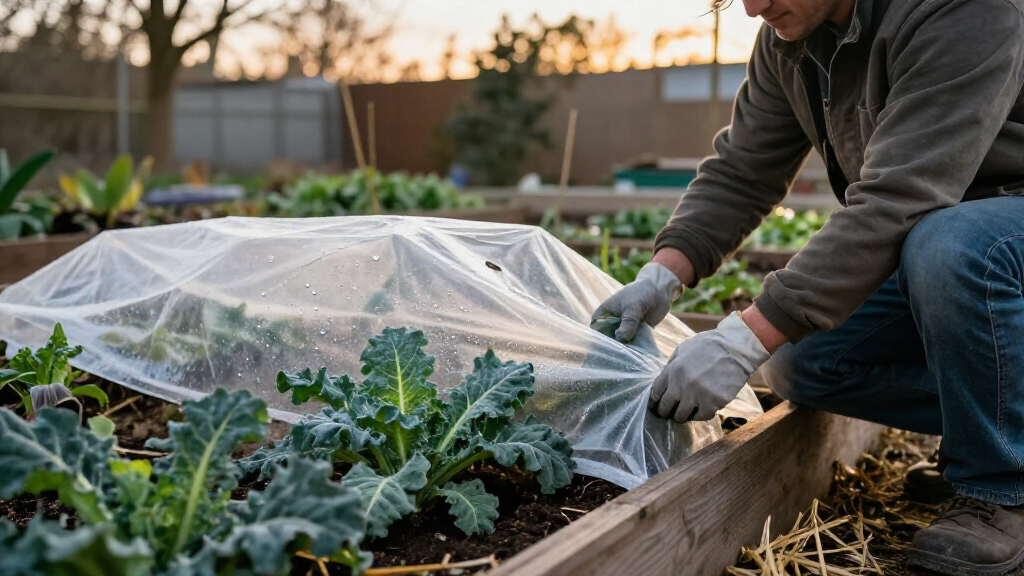
For individual seedlings, the guide suggests cutting the bottom from a plastic milk jug or soda bottle and setting it over a plant. It warns that a sealed container can heat up in sunshine, so gardeners should remove or open it on mild, bright days and replace it at dusk. For a larger bed, hoops made from flexible PVC or wire can support fabric or clear plastic as a low tunnel. Plastic can warm quickly during the day and needs ventilation; heavy, wet snow may also flatten a tunnel.
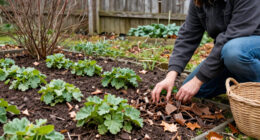
The other approaches protect different parts of the garden. Straw or shredded leaves insulate soil around carrots and parsnips, but do not protect exposed leaves from a hard frost. A cold frame made from a clear lid or storm window can shelter greens, with ventilation needed on sunny days. Container-grown vegetables can be grouped beside a sheltered wall and wrapped, since their roots have less soil insulation than plants in the ground.
Matching Protection to Winter Conditions
The guide’s practical point is that gardeners do not need a greenhouse to take steps against frost, but no single covering suits every cold-weather risk. A row cover can help during a short cold snap, while soil mulch protects roots and a cold frame shelters a group of greens. Combining methods may be needed when cold lasts longer or the ground freezes.
Choosing the right approach also helps avoid damage caused by the protection itself. Plastic cloches and tunnel covers can trap too much heat on bright days, while poorly secured covers can shift in wind or collapse under snow. The report therefore treats ventilation, secure anchoring and local weather as part of frost protection, not as optional details.
Products Worth Considering

Garvee 6 x 10 ft Polycarbonate Greenhouse with Aluminum Steel Frame

Orbit B-hyve 12-Zone Indoor/Outdoor Wi-Fi Sprinkler Controller

Traeger Trailhead Portable Wood Pellet Grill and Smoker with Cover and Inverter
As an affiliate, we earn on qualifying purchases.
Brief Frosts Versus Frozen Ground
The source report frames the advice around a common difference in winter gardening: a handful of frosty nights is not the same challenge as weeks of frozen ground. It says light covers can usually help with the former, while a longer freeze may call for layers, such as fabric over plants and mulch over soil, sometimes with a solid structure above them.
The six options range from reused household materials to purpose-built garden structures. Their suitability depends on what is being grown and where: a cloche covers one young plant, a tunnel spans a row or bed, and mulch is intended for soil and root crops. The report does not present them as guarantees against every winter condition.
“A handful of frosty nights in November is a different problem from weeks of frozen ground.”
— Gardening Know How report
Limits Depend on Weather and Setup
The report does not specify a location, forecast or growing zone, so it cannot establish which method will protect a particular garden or how long a cover will remain effective. Its temperature guidance is general rather than a guarantee for every crop or site. Plant variety, exposure, wind and the length of a freeze may affect results.
The source also gives no trial data comparing the six methods. It describes practical approaches, but does not quantify how much protection each will provide in a specific garden. Snow loads, daytime sunlight and the condition of reused materials can change how well a structure performs.
Check Forecasts and Adjust Covers
Gardeners using these methods should match protection to the forecast, secure covers before wind picks up and check enclosed plants during daylight. Open or remove plastic covers and cold-frame lids when the interior warms; clear snow from tunnels and inspect hoops after storms. For a prolonged cold period, the report suggests using layers of protection rather than relying on a light cover alone.
The guide does not announce a follow-up test or additional findings. The next step for readers is to choose a method for their crop and growing conditions, then monitor temperatures and the plants as weather changes.
Key Questions
Can winter vegetables be protected without a greenhouse?
Yes. The Gardening Know How report lists six alternatives: horticultural fleece, bottle cloches, low tunnels, soil mulch, cold frames and sheltered positions for containers. The best fit depends on the crop and weather.
Can plastic bottles stay over seedlings all day?
Not necessarily. The report warns that a sealed jug can heat up in sunshine. It recommends opening or removing it on mild, bright days and putting it back at dusk.
Does straw protect leafy vegetables from frost?
Straw or shredded leaves insulate the soil around root crops, but the report says mulch alone will not stop exposed kale or chard leaves from freezing during a hard frost. Pair it with a cover for above-ground leaves.
What should gardeners watch for with low tunnels?
Plastic can overheat plants on sunny days and should be ventilated. The report also warns that wet, heavy snow can flatten tunnels, so gardeners in snowy areas may need stronger, closer-set hoops and should remove snow after storms.
Source: gardeningknowhow.com