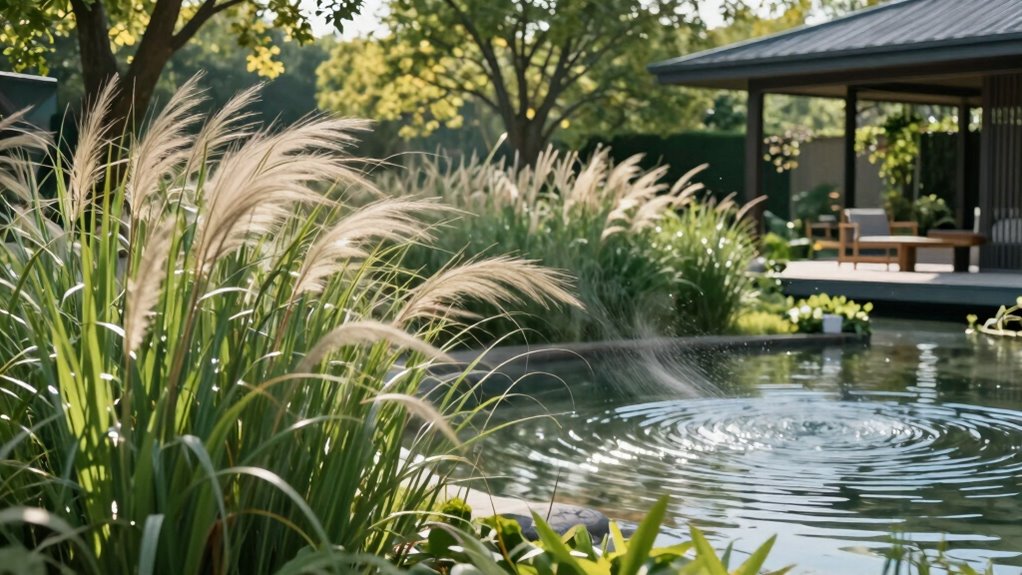

You might not realize it, but air movement is a powerful tool in outdoor design. It helps create breezy, inviting spaces, making hot days more comfortable without relying solely on shade or mechanical cooling. By thoughtfully positioning plants and structures, you can guide natural breezes to flow through your outdoor areas. When you harness this airflow, you’ll boost comfort, energy efficiency, and outdoor enjoyment. Keep exploring, and you’ll discover how to turn wind into your greatest outdoor ally.

Get garden gear delivered free with Prime
- Fast, free delivery on millions of items
- Prime Video, Amazon Music and more included
- Member-only deals all year
Key Takeaways
- Natural airflow can significantly enhance outdoor comfort, reducing reliance on mechanical cooling systems.
- Strategic placement of shade structures and plants directs breezes, creating effective cooling pathways.
- Proper airflow design transforms outdoor spaces into inviting, breezy environments that improve usability and livability.
- Manipulating wind flow helps control temperature and air quality, making outdoor areas more comfortable year-round.
- Leveraging air movement reduces energy costs and fosters sustainable outdoor design practices.

Have you ever wondered how outdoor spaces stay comfortable even on hot days? The secret often lies in effective air movement, which many people overlook when designing outdoor environments. Proper air flow can make a significant difference in comfort, and it’s a tool you can actively harness. Instead of relying solely on shade structures or plant placement for cooling, understanding how to improve air movement can transform your outdoor space into a breezy oasis. Shade structures, like pergolas or awnings, provide shelter from the sun, but they can also influence how air circulates. When positioned thoughtfully, these structures can direct breezes toward seating areas or open up space for air to flow freely. Combining shade structures with strategic plant placement further enhances this effect. Tall, leafy plants or trees placed on prevailing wind sides can channel breezes into your space or block still, stagnant air pockets. This synergy creates a more dynamic environment where air moves naturally, lowering temperatures and increasing comfort. Additionally, the placement of plants and structures can help optimize air circulation, making outdoor areas more pleasant and cooler during warm weather.
You might not realize it, but the way you position plants affects airflow just as much as the layout of your furniture or the placement of structures. For example, planting a row of shrubs or trees along the windward side of your patio can act as a windbreak, gently guiding breezes into the area without causing uncomfortable gusts. Opening spaces between plants allows air to pass through, preventing buildup of hot, stagnant air. Incorporating natural airflow channels into your design ensures a continuous and gentle movement of air, which can be more effective than mechanical cooling methods. In fact, understanding how to manipulate air movement allows you to create a more comfortable and energy-efficient outdoor environment. When combined with the right placement of shade structures, this approach maximizes cooling effects. Creating these airflow pathways naturally encourages a gentle, continuous flow of air that replaces warm, stale air with cooler breezes. By doing so, you create a more inviting environment where you can relax without feeling overwhelmed by heat.
Understanding how to manipulate air movement isn’t just about aesthetics; it’s a practical way to make your outdoor space more livable. Think of air flow as an invisible hand guiding natural cooling agents—breezes—where you want them most. With careful planning, you can direct these breezes to sweep through seating areas, dining spaces, or lounging zones, making them more comfortable during scorching days. This approach also reduces your reliance on mechanical cooling, saving energy and enhancing sustainability. Incorporating airflow principles into your design can make a noticeable difference in comfort and efficiency. In essence, mastering air movement gives you a powerful, versatile tool to elevate outdoor design beyond just visual appeal. It’s about creating a space that feels naturally invigorating, where every element—from shade structures to plant placement—works together to harness the wind’s cooling potential.
Products Worth Considering

Orbit B-hyve 12-Zone Indoor/Outdoor Wi-Fi Sprinkler Controller

Orbit B-hyve XR 8-Zone Indoor/Outdoor Smart Sprinkler Controller
Orbit B-hyve XR 16-Zone Indoor/Outdoor Smart Sprinkler Controller
As an affiliate, we earn on qualifying purchases.
Frequently Asked Questions
How Does Local Climate Influence Outdoor Air Movement?
Your local climate shapes outdoor air movement through microclimate variability, affecting wind patterns and comfort. You can use wind tunnel testing to analyze these effects, helping you design spaces that optimize airflow. By understanding your environment’s specific climate influences, you *guarantee* better ventilation, cooling, and comfort. This targeted approach allows you to harness natural air movement effectively, making your outdoor spaces more enjoyable and functional year-round.
Can Artificial Wind Sources Enhance Outdoor Comfort Effectively?
Artificial breezes act as gentle puppeteers, guiding comfort through wind simulation. You can enhance outdoor spaces by strategically placing fans and misting systems, creating a cooling effect that mimics natural airflow. These artificial wind sources offer precise control, allowing you to adapt to changing conditions and improve comfort. By harnessing wind simulation, you turn outdoor environments into inviting retreats, making every moment outside more enjoyable and invigorating.
What Are Common Mistakes in Designing for Air Movement?
You often overlook common mistakes like neglecting ventilation aesthetics, which can disrupt airflow symbolism and reduce comfort. Failing to analyze prevailing wind patterns or relying solely on artificial wind sources can lead to inefficient airflow. Additionally, ignoring the visual and experiential impact of airflow disrupts outdoor space harmony. To optimize air movement, balance natural ventilation with thoughtful design, ensuring airflow enhances both functionality and aesthetics for a more inviting environment.
How Does Vegetation Impact Outdoor Airflow Patterns?
Vegetation acts like natural wind barriers, shaping airflow and creating wind corridors that channel breezes effectively. When you strategically place plant barriers, they guide air movement, reducing harsh gusts and promoting gentle airflow. Imagine a lush garden guiding breezes through open spaces, cooling and invigorating the environment. This natural design enhances outdoor comfort and airflow patterns, making vegetation a powerful, yet often overlooked, tool in outdoor space planning.
Are There Specific Tools to Measure Outdoor Air Movement?
Yes, you can use tools like anemometers to measure outdoor air movement. For accurate results, guarantee proper anemometer calibration before use. Additionally, airflow visualization methods, such as smoke or mist streamers, help you see airflow patterns clearly. These tools allow you to assess wind speed and direction effectively, helping you design outdoor spaces that maximize air circulation and comfort. Proper measurement enhances your ability to create functional, breezy environments.
Conclusion
Remember, the gentle dance of air isn’t just a breeze—it’s an unspoken invitation to feel more alive outdoors. When you embrace air movement as a design element, you craft a space that whispers comfort and serenity, subtly guiding your experience. Sometimes, it’s the unseen currents that leave the deepest impression, making your outdoor haven not just beautiful, but truly memorable. Let the air’s quiet magic elevate your space beyond what words can describe.