
TL;DR

Get garden gear delivered free with Prime
- Fast, free delivery on millions of items
- Prime Video, Amazon Music and more included
- Member-only deals all year
Amateur Gardening has outlined five practical preparations for gardens ahead of stormy, wet and windy weather: shelter pots, secure supports and loose objects, inspect trees, and manage excess rainwater. These steps may reduce damage, but they cannot prevent every impact; the report advises staying indoors once dangerous weather arrives.
Amateur Gardening has published five steps for preparing gardens for stormy, wet and windy weather, including moving vulnerable pots, securing garden structures and checking drainage. The advice is intended to reduce the risk of damage to plants, property and outdoor items, though it cannot protect against every storm impact.
The checklist recommends moving containers away from exposed positions and placing them at ground level, where they are less likely to topple. Grouping pots together can offer additional shelter, while tender plants can be moved to a frost-free space if one is available. Hanging baskets should be taken off their brackets and placed on the ground until the wind passes.
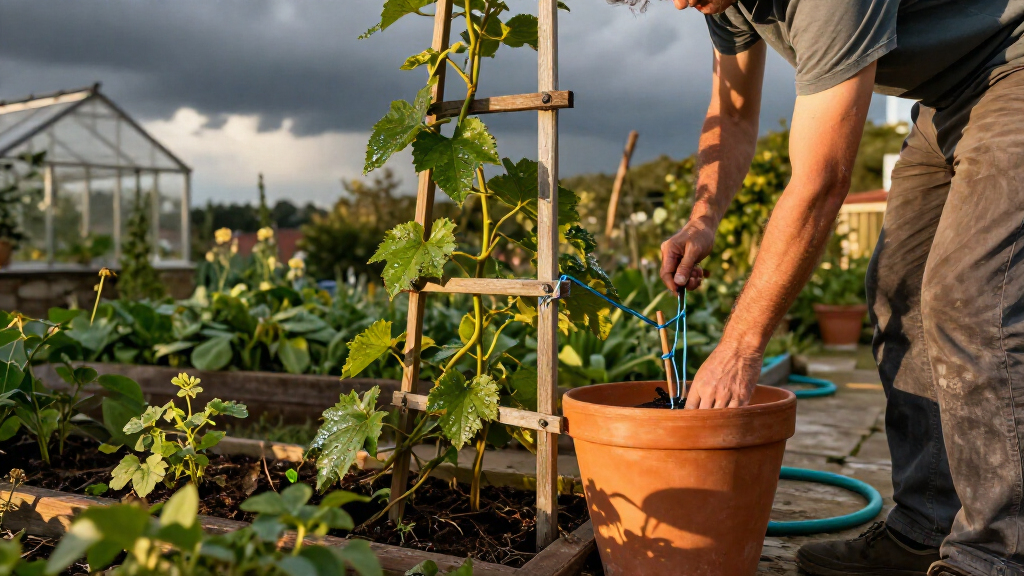
Garden supports and larger items also need attention. The report advises checking that arches, trellises and stakes are secure and tying in tall plants. Trampolines, sheds and greenhouses should be secured, while toys, tools, empty pots and garden furniture should be moved indoors or otherwise put away to prevent them being blown around.
For heavy rain, gardeners are advised to clear blocked container drainage holes and avoid leaving pots standing in water or saucers for extended periods. The report also suggests considering plants that tolerate wetter conditions, and using a water butt to collect rain for later use. It recommends having trees near homes or roads checked by a tree surgeon and removing vulnerable branches before a storm, where appropriate.
Reducing Garden Damage Before High Winds
Wind can turn unsecured garden items into hazards, while falling branches and toppled containers can damage buildings, vehicles or injure people. Heavy rainfall brings a different risk: waterlogged pots and poorly draining areas can harm plants and contribute to flooding. Preparing in advance can reduce some of these risks and limit losses to plants and equipment.
The advice applies beyond large, exposed gardens. The report says balconies, city gardens, school gardens and container gardens can also be affected by stronger winds and heavier rain. A small outdoor space may still contain hanging baskets, loose pots or furniture that could fall or blow away.
These are precautionary measures, not a guarantee against damage. The report’s safety guidance is clear: if storm conditions have already started, stay indoors rather than going outside to move items or work on trees.
Products Worth Considering

Orbit B-hyve XR 8-Zone Indoor/Outdoor Smart Sprinkler Controller
Orbit B-hyve XR Smart Indoor/Outdoor Sprinkler Controller, 16 Zones

Orbit B-hyve Smart Indoor/Outdoor 12-Zone Sprinkler Controller
As an affiliate, we earn on qualifying purchases.
Preparing for Wet, Windy Autumn Weather
The source report frames its checklist around stormy conditions expected as autumn approaches. It notes that the preceding summer had been hot and dry and says the months ahead were expected to bring wind and rain as El Niño developed. Those statements are the report’s seasonal outlook; the supplied material does not provide a specific forecast, location or meteorological agency assessment.
The five jobs cover different ways weather can affect a garden: wind can dislodge objects, damage plant supports and break branches, while prolonged or intense rain can leave containers waterlogged. The checklist combines immediate tasks, such as putting away garden furniture, with longer-term measures, including improving planting for wetter conditions and collecting rainwater.
“A little preparation could help prevent costly damage to your garden.”
— Amateur Gardening
Forecast Details and Local Risks
The supplied report does not name a storm, give dates or identify the areas expected to be affected. It also provides no local wind or rainfall forecasts, so readers cannot use the article alone to judge the timing or severity of conditions in their area. Its seasonal comments are not a substitute for current official weather warnings.
The checklist does not quantify how much damage these measures may prevent, and it cannot establish whether a particular tree, structure or garden is safe. Tree condition and storm exposure vary; the report recommends professional assessment for tall trees near homes or roads rather than offering a diagnostic test. Any work should be done only when conditions are safe.
Act Before Conditions Deteriorate
Gardeners can use the checklist to secure movable items, inspect supports and clear container drainage before bad weather arrives. Check current local forecasts and official warnings to decide when preparations are appropriate. Do not go outside during dangerous weather to make last-minute adjustments; wait until conditions have passed and it is safe to assess any damage.
After a storm, check for fallen branches, damaged structures and waterlogged containers from a safe position. If a tree near a building or road appears damaged, contact a qualified tree surgeon rather than attempting risky work. The source gives no follow-up date or further forecast, so local weather updates remain the guide to what happens next.
Key Questions
What should I move before a storm?
Move pots, hanging baskets, toys, tools and garden furniture out of exposed positions. Put containers on the ground and group them together; bring loose items indoors where possible.
How can I reduce wind damage to plants?
Check that stakes, arches and trellises are secure, and tie in tall plants. Take hanging baskets down and place them somewhere sheltered at ground level.
How should I prepare containers for heavy rain?
Clear blocked drainage holes and avoid leaving pots sitting in water or saucers for long periods. This can help reduce waterlogging, though it does not prevent all damage from extreme rainfall.
Should I prune or inspect trees during a storm?
No. The report advises staying indoors once stormy conditions have started. It suggests arranging a tree surgeon’s assessment for tall trees near homes or roads before a storm, and addressing vulnerable branches only when it is safe to do so.
Source: amateurgardening.com