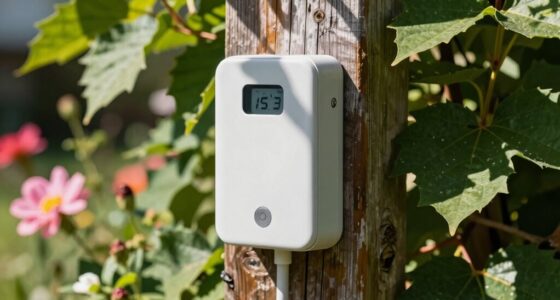

Many outdoor smart device owners ignore enabling proper device encryption. This vital setting scrambles data transmitted between devices and networks, preventing hackers from eavesdropping or manipulating information. Default security options often lack strong encryption, leaving your devices vulnerable. Neglecting firmware updates and security settings can also compromise your network’s safety. If you want to protect your devices and data, it’s essential to understand how these security measures work—stay tuned to learn more.
Key Takeaways
- Many owners neglect to enable device encryption, leaving transmitted data vulnerable to interception.
- Default security settings often lack strong encryption, which owners frequently overlook.
- Users may ignore firmware updates, preventing necessary security patches from protecting devices.
- Routine checks for security configurations are often skipped, increasing exposure to cyber threats.
- Owners tend to overlook reviewing and customizing security settings beyond default options.
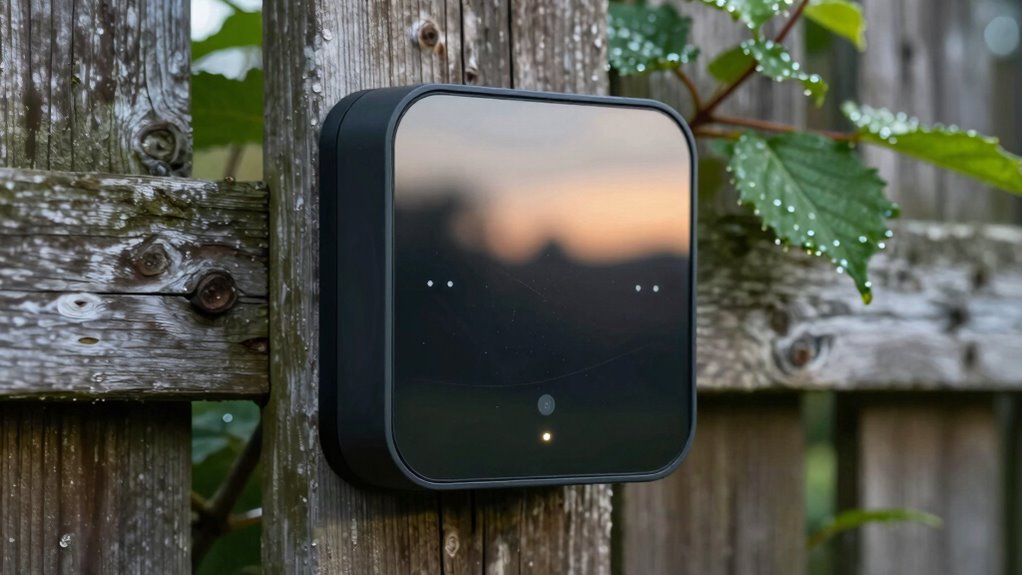
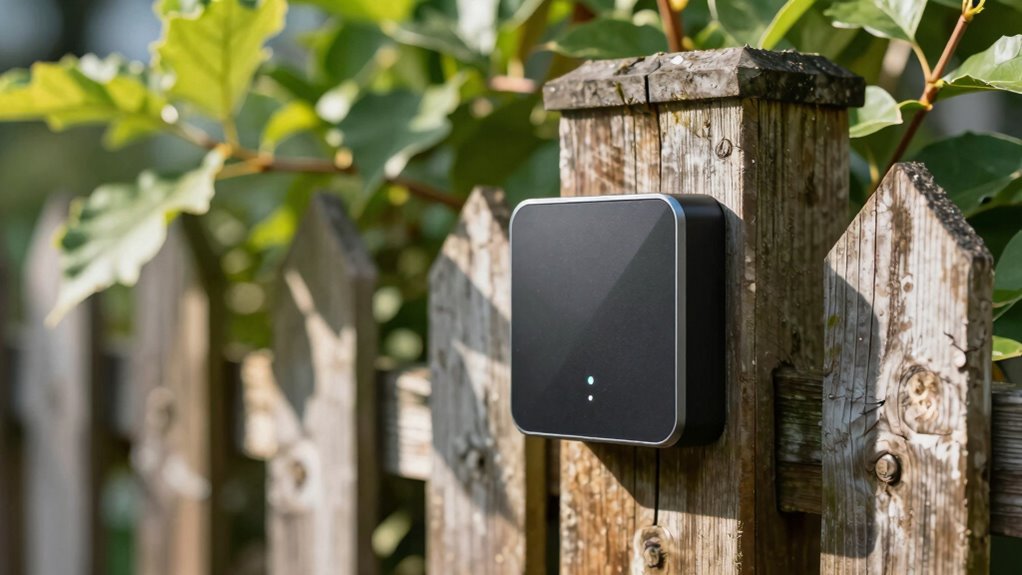
Many outdoor smart device owners overlook an essential security setting that can leave their devices vulnerable to hacking or unauthorized access. That setting is often related to device encryption and the importance of timely firmware updates. While you might focus on the device’s features or how it fits into your outdoor space, neglecting these security measures can open the door to potential threats. Encryption acts as a digital shield, scrambling the data transmitted between your device and your network so that even if someone intercepts it, they can’t decipher what’s being shared. Without proper encryption, hackers can eavesdrop on sensitive information or even manipulate your device’s functions.
Many outdoor devices lack proper encryption, risking hacking and unauthorized access. Prioritize security to protect your data and privacy.
You might not realize that many outdoor smart devices—like security cameras, smart lights, or weather stations—come with default security settings that are inadequate for real-world threats. These default settings often lack strong device encryption, leaving your data exposed. It’s essential to check your device’s security options and ensure encryption is enabled. Doing so reduces the risk of unauthorized access and keeps your private information safe. But encryption alone isn’t enough. Firmware updates play a significant role in maintaining your device’s security. Manufacturers regularly release firmware updates to patch vulnerabilities that cybercriminals could exploit. If you ignore these updates, your device remains susceptible to known security flaws. Regular firmware updates are crucial for addressing emerging threats and ensuring your device stays protected. Additionally, understanding the importance of security protocols can help you implement comprehensive defenses for your outdoor network. Keeping an eye on manufacturer security notifications can also alert you to critical vulnerabilities and recommended actions. Many device owners delay or forget to install firmware updates, thinking they’re unnecessary or too complicated. In reality, these updates are necessary for keeping your device secure. They often include patches for security flaws, improvements to device encryption protocols, and enhanced overall stability. Failing to update your firmware leaves your device running outdated software that hackers can easily target. To stay protected, you should regularly check for updates and install them promptly. Some devices can automatically update, but if yours doesn’t, setting a routine to verify firmware versions once a month can make a big difference. Regular security maintenance is an essential part of safeguarding your outdoor devices against evolving cyber threats.
As an affiliate, we earn on qualifying purchases.
Frequently Asked Questions
How Can I Identify if My Outdoor Smart Device Has a Security Vulnerability?
You can identify if your outdoor smart device has a security vulnerability by checking its device encryption and user authentication features. Make certain your device uses strong encryption to protect data and requires secure user authentication like passwords or biometrics. If these features are weak, disabled, or absent, your device could be vulnerable. Regularly update the firmware and review security settings to stay protected against potential threats.
Are There Specific Security Settings Unique to Outdoor Smart Devices?
Yes, outdoor smart devices often have unique security settings like device encryption and user permissions. You should activate device encryption to protect data transmitted and stored. Additionally, review user permissions to restrict access to trusted individuals only. Regularly updating firmware, turning off unnecessary features, and changing default passwords further bolster security. These steps help prevent unauthorized access and guarantee your outdoor device stays protected against potential vulnerabilities.
What Are the Common Security Risks Associated With Outdoor Smart Devices?
Outdoor smart devices face frequent, familiar threats like hacking, hijacking, and unauthorized access. You risk data breaches and privacy invasions without proper protections. Weak encryption protocols make it easier for intruders to exploit vulnerabilities, while neglecting physical safeguards leaves devices susceptible to tampering or theft. Staying vigilant by updating encryption standards and securing physical access helps you defend your outdoor devices against common security risks.
How Often Should I Update My Outdoor Smart Device’s Firmware for Security?
You should update your outdoor smart device’s firmware as soon as security patches are released, ideally monthly or whenever a critical update is available. Regular firmware updates help fix vulnerabilities and improve security. Keep an eye on notifications from the device manufacturer or check the app regularly. By staying current with firmware updates, you safeguard your device from potential threats and guarantee it operates smoothly and securely.
Can I Remotely Disable or Reset My Outdoor Smart Device if Compromised?
Absolutely, you can remotely disable or reset your outdoor smart device if it gets compromised. Ironically, many overlook enabling remote access or device lockdown features, leaving their devices vulnerable. By activating these settings, you gain control from anywhere, preventing potential intruders from exploiting your device. So, don’t ignore remote access options—they’re your best defense to swiftly respond and secure your outdoor smart device when threats emerge.
smart security camera firmware update
As an affiliate, we earn on qualifying purchases.
As an affiliate, we earn on qualifying purchases.
Conclusion
Ignoring security settings on outdoor smart devices might seem harmless, like leaving your front door unbarred on a quiet night. But just as that simple act invites unwelcome visitors, neglecting these settings opens the door to hackers and breaches. The quiet vulnerability can lead to chaos, turning peace of mind into chaos. So, don’t let complacency be your weakest link—secure your outdoor devices and keep your digital home safe from unwanted intruders.
outdoor smart device security kit
As an affiliate, we earn on qualifying purchases.
As an affiliate, we earn on qualifying purchases.
wireless device firmware updater
As an affiliate, we earn on qualifying purchases.
As an affiliate, we earn on qualifying purchases.