TL;DR

Get garden gear delivered free with Prime
- Fast, free delivery on millions of items
- Prime Video, Amazon Music and more included
- Member-only deals all year
A Gardening Know How report describes seven household discards that can help protect plants during a light, short frost: cardboard, cotton bedding, milk jugs, bubble wrap, newspaper, autumn leaves and cardboard tubes. The advice is for temporary protection, not a prolonged freeze; covers generally need to come off in the morning, and plastic should not touch foliage.
Gardening Know How has outlined seven household items that gardeners can save to protect plants during a light, short-lived fall frost, including cardboard boxes, old sheets, milk jugs and newspaper. The advice offers low-cost, temporary options for tender crops and container plants, while warning that household coverings are not suited to a freeze lasting for days; learn how floating row covers protect plants from frost for another option.
The report recommends turning a cardboard box upside down over a plant at dusk, with the edges resting on the soil and a weight on top if wind is expected. Boxes block light and can soften in heavy dew, so they should be removed in the morning. Old bed sheets or pillowcases can cover larger areas or individual plants; stakes or tomato cages help keep wet fabric from weighing on stems.
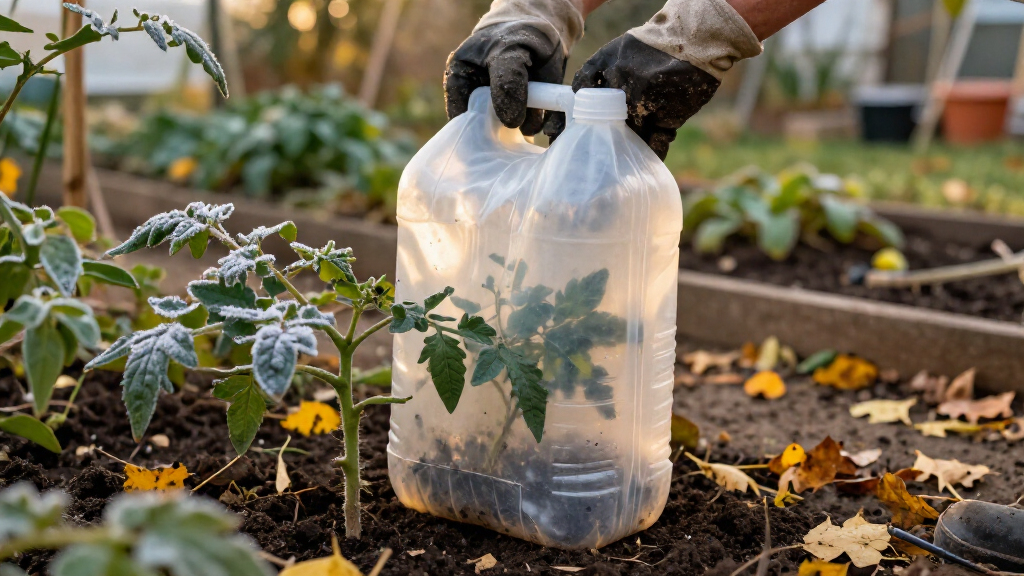
A rinsed plastic milk jug with its bottom cut off can serve as a small cover for a seedling. The report advises pressing its open edge into the soil, leaving the cap on during cold nights and removing it on sunny days so heat can escape. Bubble wrap belongs around the outside of pots, below the rim, to insulate roots—not against plant leaves. Pots grouped near a sheltered wall may also hold warmth better.
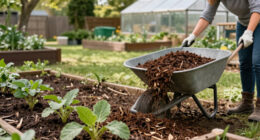
Several layers of newspaper can cover low plants overnight, but wet paper loses insulating value and should be removed and dried by morning. The report suggests saving autumn leaves for later: after the soil cools, a few inches around a perennial can insulate its crown and roots, much like other free materials from fall yard cleanup. Shredded leaves drain more freely, and a small gap should remain around each stem. Finally, toilet-paper or paper-towel tubes pushed into the soil around young plants can act as collars against cutworms and wind, but provide little frost protection alone.
Low-Cost Cover for Short Frosts
The suggestions matter to gardeners trying to protect late-season peppers, lettuce, seedlings and container herbs without buying specialized covers at short notice. A light frost can damage tender growth, and temporary insulation may help extend a harvest through a cold night. The methods are not guarantees: results depend on the weather, the plant and how securely a cover is placed.
The practical distinction is between brief frost protection and sustained freezing conditions. Household materials may help retain warmth near plants overnight, but the report says they cannot carry plants through a freeze that persists for days. Gardeners should use local forecasts and remove or adjust covers as conditions change.
Products Worth Considering

Orbit B-hyve XR 16-Zone Indoor/Outdoor Smart Sprinkler Timer
Orbit B-hyve XR 8-Zone Indoor/Outdoor Smart Sprinkler Controller

Garvee 6 x 10 ft Polycarbonate Greenhouse with Aluminum Frame
As an affiliate, we earn on qualifying purchases.
How Overnight Covers Hold Warmth
The report explains that on a clear, calm night, heat stored in the soil during the day can escape upward. A loosely draped covering can retain some of that warmth around a plant. It should reach the ground while leaving air space around stems, rather than pressing directly on tender growth.
Morning care is part of the method. Once temperatures rise above freezing, coverings such as sheets, boxes and newspaper should generally come off so they do not trap heat and moisture. The report cautions that plastic touching leaves can transfer cold to them; use it on a frame or as a layer over fabric, not directly against foliage. It also notes that ground-level air may be colder than a thermometer reading elsewhere in the garden.
“They’ll carry plants through a light frost … but not a freeze that sits in for days.”
— Gardening Know How report
Limits Depend on Frost Conditions
The source provides general gardening guidance, not trial results, and does not quantify how much each item raises plant temperatures or identify a temperature threshold at which each method stops helping. Its suggestions are aimed at light, short-duration frost; the level of protection during colder or longer conditions remains unspecified.
The report also does not address every plant’s cold tolerance or local weather conditions. Gardeners should not treat a household cover as a substitute for checking forecasts and plant-specific guidance. The source material does not give a date for the report, so its publication timing cannot be confirmed here.
Check Forecasts and Remove Covers
For a forecast frost, gardeners can keep clean, dry materials on hand, cover vulnerable plants before temperatures fall and secure lightweight items against wind. Check coverings in the morning and remove those that block light or could trap excess heat and moisture. For pots, bubble wrap can remain around the outside during a cold spell because it does not cover the plant itself.
If forecasts call for a prolonged freeze, the report’s household methods may not be enough. Gardeners will need to consider more durable, suitable protection or move portable containers to a sheltered location, based on the needs of each plant and local conditions.
Key Questions
Which household items can help cover plants during a light frost?
The report names cardboard boxes, old sheets or pillowcases, milk jugs, bubble wrap, newspaper, autumn leaves and cardboard tubes. They serve different purposes, and not all provide the same level of frost protection.
Can plastic sheeting touch plant leaves?
No. The report advises keeping plastic off foliage, since contact can transfer cold to leaves. Use plastic over a frame or above a fabric layer instead.
When should overnight covers come off?
Remove covers such as boxes, sheets and newspaper once the air warms above freezing in the morning. This helps prevent trapped heat and moisture; wet newspaper should be dried before reuse.
Will these items protect plants through a long freeze?
The report says these materials are for light frost lasting a short time, not a freeze that continues for days. It does not provide a temperature threshold or guarantee of protection.
Source: gardeningknowhow.com