
TL;DR

Get garden gear delivered free with Prime
- Fast, free delivery on millions of items
- Prime Video, Amazon Music and more included
- Member-only deals all year
A Country Living report outlines nine ways to support birds in fall, drawing on advice from the Cornell Lab of Ornithology and American Bird Conservancy. Suggestions include varied seed and feeder options, clean hummingbird feeders, native plants, fresh water and reducing window-collision risks.
Country Living has published nine recommendations for attracting birds to yards in fall, citing experts from the Cornell Lab of Ornithology and the American Bird Conservancy. The advice covers food, feeders, water, native plants and window safety as resident birds prepare for colder weather and migrants travel or stop to refuel, with ways to make a yard a migrating bird’s pit stop offering further ideas.
Fall movement varies by species and location. Holly Grant, a project assistant for NestWatch at the Cornell Lab of Ornithology, says migration can take place from late July through November and December, with peak periods in September and October. Some hummingbirds, finches and sparrows pass through or arrive for winter, while many common backyard birds remain in place or travel shorter distances.
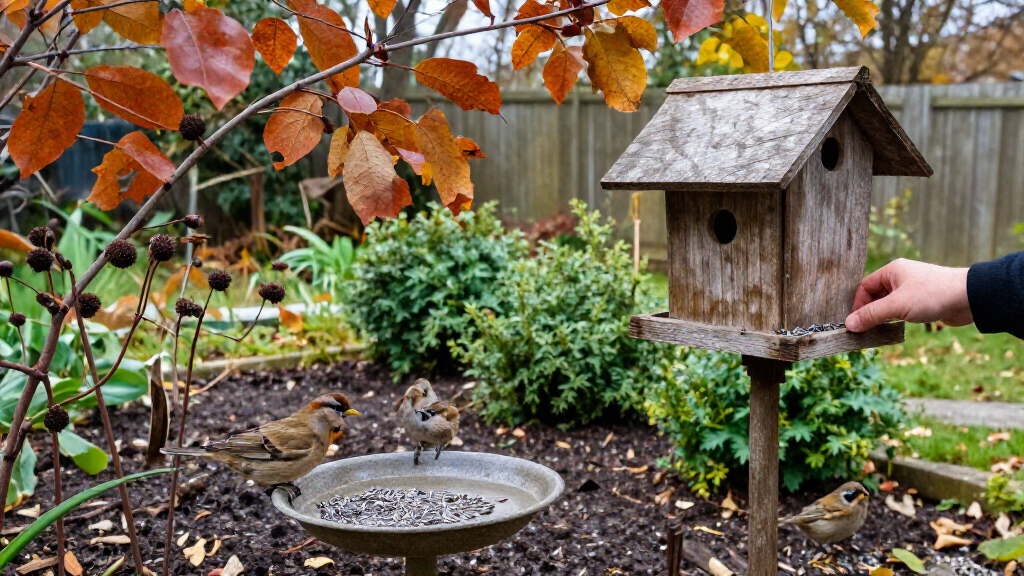
The report’s practical suggestions include putting up feeders, offering several food types and using different feeder styles. Black oil sunflower seed appeals to many species; millet can suit ground-feeding birds, while suet offers a high-fat food option in cold weather. Platform or ground feeding may attract birds that do not use tube or hopper feeders. The report points readers to Project FeederWatch’s Common Feeder Birds tool for matching food and feeder choices to local species.
Other recommendations include keeping hummingbird feeders clean and refreshing nectar every few days, planting native shrubs and plants that produce berries, fruit or seeds, and supplying fresh, clean water in a birdbath. The report also calls for reducing hazards such as window collisions and keeping outdoor cats from hunting birds. These measures add habitat and reduce risks, though results will depend on the birds and conditions around each yard; feeding garden birds safely can help support them through colder months.
Food and Safer Habitat for Fall Birds
Fall can bring both resident birds preparing for winter and migrants that need places to rest and feed. Providing food and water, along with natural plant resources, gives birds options when seeds, fruit, nuts and insects are scarce. The recommendations are relevant to homeowners who want to support wildlife without assuming that a feeder alone will attract every species.
Habitat choices also matter beyond feeding. Native plants can provide naturally occurring food, while window precautions and keeping cats indoors or supervised can reduce avoidable dangers. The report offers general guidance rather than a guarantee of particular bird numbers or species; local conditions and habitat shape what visits a yard.
As an affiliate, we earn on qualifying purchases.
Migration and Backyard Residents
The source report distinguishes migrants from birds that stay nearby through fall and winter. Kaitlyn Parkins, the American Bird Conservancy’s Glass Collisions Program coordinator, says cardinals, jays, robins, finches, chickadees, wrens and woodpeckers tend to remain in place or move shorter distances. Some robins, for example, may shift from open lawns and fields into forests, while some mountain birds move to lower elevations.
Grant says feeders do not determine when birds migrate; daylight hours influence migration. Food offered at a feeder can provide nutrients for birds preparing to leave or pausing during travel, according to Grant. The report also notes that feeder food can supplement natural sources, particularly during harsh weather, but does not replace the value of suitable habitat.
“Fall migration normally occurs anywhere between late July through November and December, but peak times are in September and October.”
— Holly Grant, project assistant for NestWatch at the Cornell Lab of Ornithology
As an affiliate, we earn on qualifying purchases.
Local Bird Visits Will Vary
The report does not quantify how much any one recommendation changes bird visits, nor does it predict which species will appear in a particular yard. Migration timing and routes vary by species and location, and the article’s suggestions are general rather than a location-specific planting or feeding plan. It is also unclear from the source how many birds may benefit from each measure. Readers can use the Project FeederWatch tool to check food and feeder preferences, but local habitat and conditions remain factors.
As an affiliate, we earn on qualifying purchases.
Seasonal Care for Yard Feeders
The recommendations call for ongoing care rather than a one-time setup: keep feeders stocked as appropriate, clean hummingbird feeders and replace nectar every few days, and maintain fresh water. As seasons change, homeowners can observe which birds use the yard and adjust food and feeder types accordingly. The report does not announce a formal program or future milestone; its guidance is intended for use throughout fall and winter.
As an affiliate, we earn on qualifying purchases.
Key Questions
Does putting out a feeder stop birds from migrating?
No. Cornell Lab of Ornithology project assistant Holly Grant says daylight hours influence migration; feeders can provide food for birds preparing to travel or stopping along the way.
When is fall bird migration at its peak?
Grant says fall migration can run from late July through November and December, with peak movement in September and October. Timing varies by species and location.
What food can attract different backyard birds?
The report recommends variety, including black oil sunflower seed, millet and suet. Preferences differ among species, so Project FeederWatch’s Common Feeder Birds tool can help match food and feeder types to birds in an area.
How often should hummingbird feeder nectar be refreshed?
The report advises cleaning hummingbird feeders and refreshing the nectar every few days to help prevent harmful bacteria from growing.
Which plants can provide food for birds?
Grant suggests native plants that produce berries, fruit or seeds, including serviceberry, mulberry, spicebush and arrowwood viburnum. Which plants are suitable depends on the local region.
Source: rss
Fall Picks
fall essentials
As an affiliate, we earn on qualifying purchases.