
TL;DR
Search interest in hummingbird feeding tips is rising this fall, driven by bird enthusiasts seeking to support local hummingbirds. Experts recommend five key practices to ensure safety and nourishment for hummingbirds during migration season.
As fall approaches, interest in feeding hummingbirds has surged among bird enthusiasts, with many seeking effective ways to support these tiny migrants during their seasonal migration. Experts confirm that implementing five specific practices can help ensure hummingbirds stay safe and well-nourished during this critical period.

Get garden gear delivered free with Prime
- Fast, free delivery on millions of items
- Prime Video, Amazon Music and more included
- Member-only deals all year
Recent data indicates a spike in online searches and social media discussions about hummingbird feeding strategies this fall, reflecting a growing awareness of the importance of providing appropriate nourishment during migration. While the trend is unconfirmed as an official campaign or organized effort, it highlights an increasing desire among bird lovers to assist hummingbirds during their journey south.
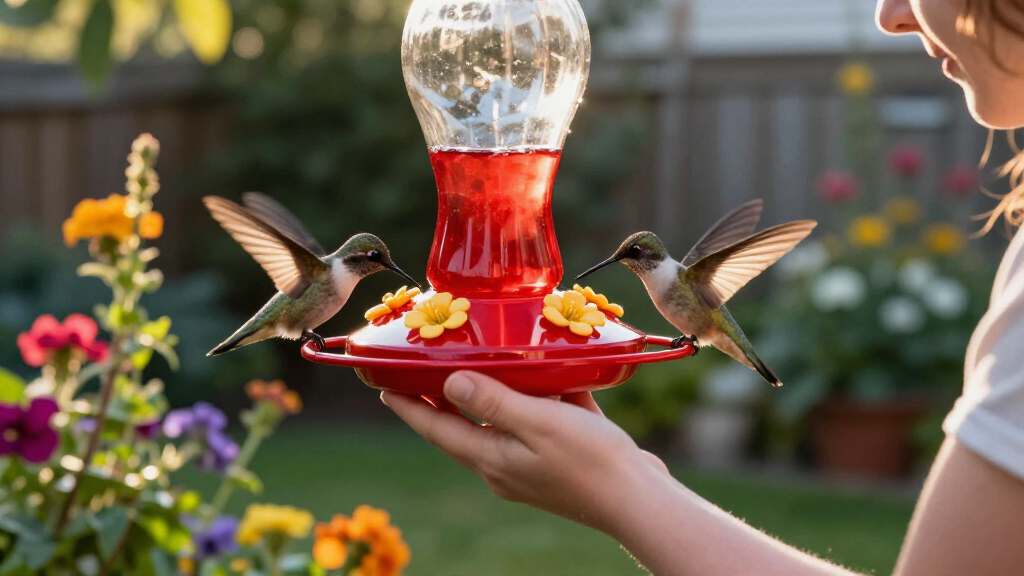
According to ornithologists and experienced bird feeders, five key secrets can make a significant difference: using the right feeder type, maintaining clean feeding stations, providing appropriate nectar, avoiding harmful substances, and timing feedings correctly. These practices are supported by established bird conservation guidelines and are widely recommended by avian experts.
Why These Secrets Matter for Hummingbird Conservation
Supporting hummingbirds during fall migration is critical because many populations face threats from habitat loss, climate change, and disease. Proper feeding practices can help sustain their energy levels during long journeys, potentially impacting local hummingbird populations positively. Additionally, following these guidelines helps prevent common hazards such as mold growth, bacterial contamination, and accidental poisoning, which can harm or kill hummingbirds.
By adopting these five secrets, bird enthusiasts can contribute to broader conservation efforts, ensuring that hummingbirds continue to thrive in their natural habitats and migratory routes. This fall, the emphasis on safe and effective feeding practices could play a role in supporting local biodiversity and ecological health.
Products Worth Considering

EAGLE PEAK 12 x 8 ft Walk-In Pop-Up Greenhouse with Support Pole

Orbit B-hyve XR 8-Zone Indoor/Outdoor Smart Sprinkler Controller
Orbit B-hyve XR 16-Zone Indoor/Outdoor Smart Sprinkler Controller
As an affiliate, we earn on qualifying purchases.
Background on Hummingbird Feeding and Seasonal Trends
Hummingbird feeding has become increasingly popular in recent years, especially during migration seasons when natural nectar sources may be scarce. Traditionally, bird lovers set up feeders with sugar water to attract and support hummingbirds, which rely heavily on nectar for energy. The practice peaks in spring and fall, coinciding with migration periods.
While there is no official campaign or nationwide initiative, the rise in online interest suggests that more people are seeking guidance on how to do this safely and effectively. Experts note that improper feeding—such as using contaminated nectar or inappropriate feeder types—can inadvertently harm hummingbirds. The current trend appears to be driven by a combination of social media influence and increased awareness of bird conservation issues.
It is important to distinguish between confirmed best practices and unverified claims circulating online, as misinformation can lead to unintended harm to these delicate birds.
Unconfirmed Trends and Unknown Impact of Feeding Practices
While interest in hummingbird feeding is clearly rising, there is no confirmed data on how widespread these practices are or their actual impact on hummingbird health and migration success. The current trend is based on online search signals and social media discussions, which may not fully reflect actual behavior or conservation outcomes.
It remains uncertain whether the promoted secrets are universally effective or if some practices could inadvertently cause harm, such as attracting predators or spreading disease. Further research and monitoring are needed to validate the effectiveness and safety of these tips on a larger scale.
Next Steps for Hummingbird Feeders and Enthusiasts
Experts recommend that bird lovers continue to follow established guidelines for hummingbird feeding, such as cleaning feeders regularly and providing fresh nectar. Conservation groups may issue updated recommendations as more data becomes available. Bird enthusiasts are encouraged to share their experiences and observe hummingbird responses to different feeding practices.
Researchers and bird organizations are expected to monitor the impact of increased feeding activity this fall, which could inform future conservation strategies. Meanwhile, local birding communities should remain vigilant about potential risks associated with improper feeding and promote best practices.
Key Questions
What is the best type of feeder for hummingbirds?
Experts recommend using wide-mouth, bee-proof feeders with perches and clear reservoirs for easy cleaning and observation. Avoid feeders with red dye or harmful chemicals.
How often should I clean my hummingbird feeder?
It is advised to clean feeders thoroughly every 3-4 days during peak migration periods to prevent mold and bacterial growth, especially in warm weather.
What kind of nectar should I use?
Use a solution of four parts water to one part white granulated sugar. Do not add food coloring, honey, or artificial sweeteners, as these can be harmful.
Can I leave feeders out year-round?
Yes, in many regions hummingbirds are present year-round, but feeding should be adjusted seasonally and feeders cleaned regularly to ensure safety.
Are there risks associated with feeding hummingbirds?
Potential risks include mold growth, bacterial contamination, and attracting predators or parasites if feeders are not maintained properly. Following recommended practices minimizes these risks.
Source: rss