
TL;DR
Gardeners are encouraged to build DIY bug hotels to provide shelter for beneficial insects before colder weather arrives. This trend is gaining interest as a natural way to support pollinators and pest controllers.
Gardeners are increasingly building DIY bug hotels to offer shelter to beneficial insects before temperatures drop, supporting natural pest control and pollination. This rising trend reflects growing awareness of sustainable gardening practices aimed at boosting biodiversity and reducing chemical use.

Get garden gear delivered free with Prime
- Fast, free delivery on millions of items
- Prime Video, Amazon Music and more included
- Member-only deals all year
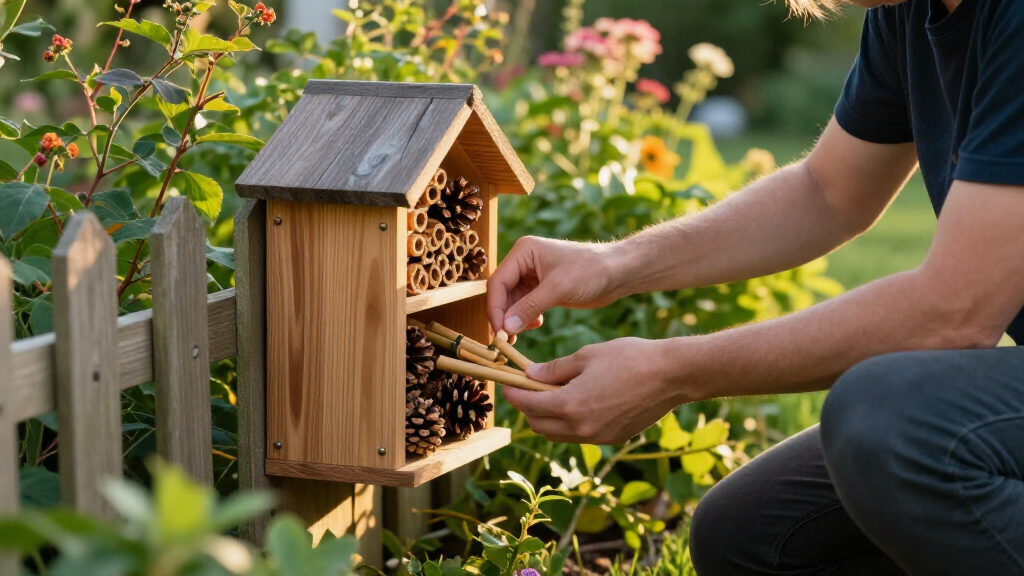
Experts and gardening enthusiasts are promoting the construction of bug hotels as a simple, cost-effective way to provide habitats for pollinators like bees, ladybugs, and lacewings. These structures can be made from natural materials such as wood, bamboo, and straw, and are designed to attract beneficial insects that help control pests and enhance plant pollination.
The trend appears to be driven by increased coverage of eco-friendly gardening, as well as a desire among gardeners to reduce reliance on chemical pesticides. While the practice is gaining traction, it is not yet confirmed whether this will significantly impact local insect populations or pest management outcomes.
Authorities and environmental groups suggest that creating habitats like bug hotels can contribute to healthier gardens, especially as seasonal temperatures begin to decline, potentially forcing beneficial insects to seek shelter elsewhere.
Why Building a Bug Hotel Matters for Garden Health
Constructing bug hotels supports biodiversity by providing shelter for beneficial insects, which are crucial for natural pest control and pollination. This practice can help gardeners reduce chemical pesticide use, leading to healthier ecosystems and more sustainable gardening. As temperatures drop, offering a safe habitat ensures these insects survive through the colder months, maintaining their beneficial roles in the garden ecosystem.
While the trend is still emerging, experts suggest that encouraging beneficial insects could lead to fewer pest outbreaks and better crop yields over time. This approach aligns with broader efforts to promote environmentally friendly gardening and urban biodiversity conservation.
Products Worth Considering
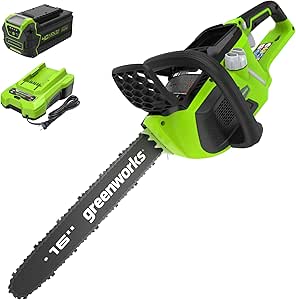
Greenworks 40V Brushless Cordless Chainsaw Kit, 16-Inch Bar, 4.0Ah Battery and Charger

Greenworks 40V Cordless Chainsaw Kit with 12-Inch Bar, 2Ah Battery and Charger

Greenworks 80V Cordless Axial Leaf Blower Kit with 4Ah Battery and Charger
As an affiliate, we earn on qualifying purchases.
Growing Interest in Eco-Friendly Gardening Practices
The idea of creating habitats for beneficial insects has gained momentum over recent years, paralleling increased public awareness of environmental issues and sustainable practices. The trend of building bug hotels is part of a broader movement encouraging gardeners to support local ecosystems and reduce chemical inputs.
Although the concept is not new, recent coverage and online tutorials have sparked a surge in DIY projects, especially as many seek cost-effective ways to improve garden resilience. The timing coincides with seasonal shifts, as colder weather prompts gardeners to prepare habitats for overwintering insects.
There is no official data yet confirming the impact of these structures on insect populations, but anecdotal reports suggest growing participation among hobbyists and community groups.
Unconfirmed Impact of DIY Bug Hotels on Insect Populations
It is not yet clear how significantly DIY bug hotels will influence beneficial insect populations or pest control in different environments. While the trend is promising, scientific studies confirming their effectiveness are still limited, and long-term impacts remain uncertain.
Experts caution that success may depend on factors such as location, materials used, and insect species involved. Further research is needed to establish best practices and quantify benefits.
Monitoring and Research on Bug Hotel Effectiveness
Researchers and environmental groups plan to observe the impact of DIY bug hotels over the upcoming seasons, aiming to gather data on insect survival rates and pest control benefits. Meanwhile, gardening communities are encouraged to share their experiences and refine construction methods.
Expect more tutorials, community initiatives, and possibly small-scale studies to assess the ecological benefits of this practice in different regions.
Key Questions
How do I build a simple bug hotel for my garden?
Use natural materials like wood blocks, bamboo stems, straw, and leaves. Arrange them in a box or stack in a sheltered, sunny spot, ensuring holes or cavities for insects to hide in. Secure the structure to prevent it from toppling in wind.
Which beneficial insects will a bug hotel attract?
Common visitors include solitary bees, ladybugs, lacewings, and beetles—all of which help with pollination or pest control.
When should I place my bug hotel in the garden?
Install it before the first frosts, ideally in early autumn, so insects can find shelter before colder weather sets in.
Are there any risks to building a bug hotel?
If constructed with untreated, natural materials and placed in a dry, sheltered location, risks are minimal. Avoid using treated wood or chemicals that could harm insects.
Can I make a bug hotel with recycled materials?
Yes, using recycled wood, bamboo, and other natural debris is environmentally friendly and cost-effective, as long as materials are untreated and safe for insects.
Source: rss